
The Gibson Experience

The Legacy of Gibson
Born in Kalamazoo and forged in the hands of working musicians, Gibson’s early innovations elevated the guitar from a rhythm instrument to a commanding voice on stage. The carved-top archtops brought projection and elegance to big band orchestras. Decades later, the arrival of the humbucking pickup changed everything delivering warmth, power, and sustain that would become the backbone of modern rock.
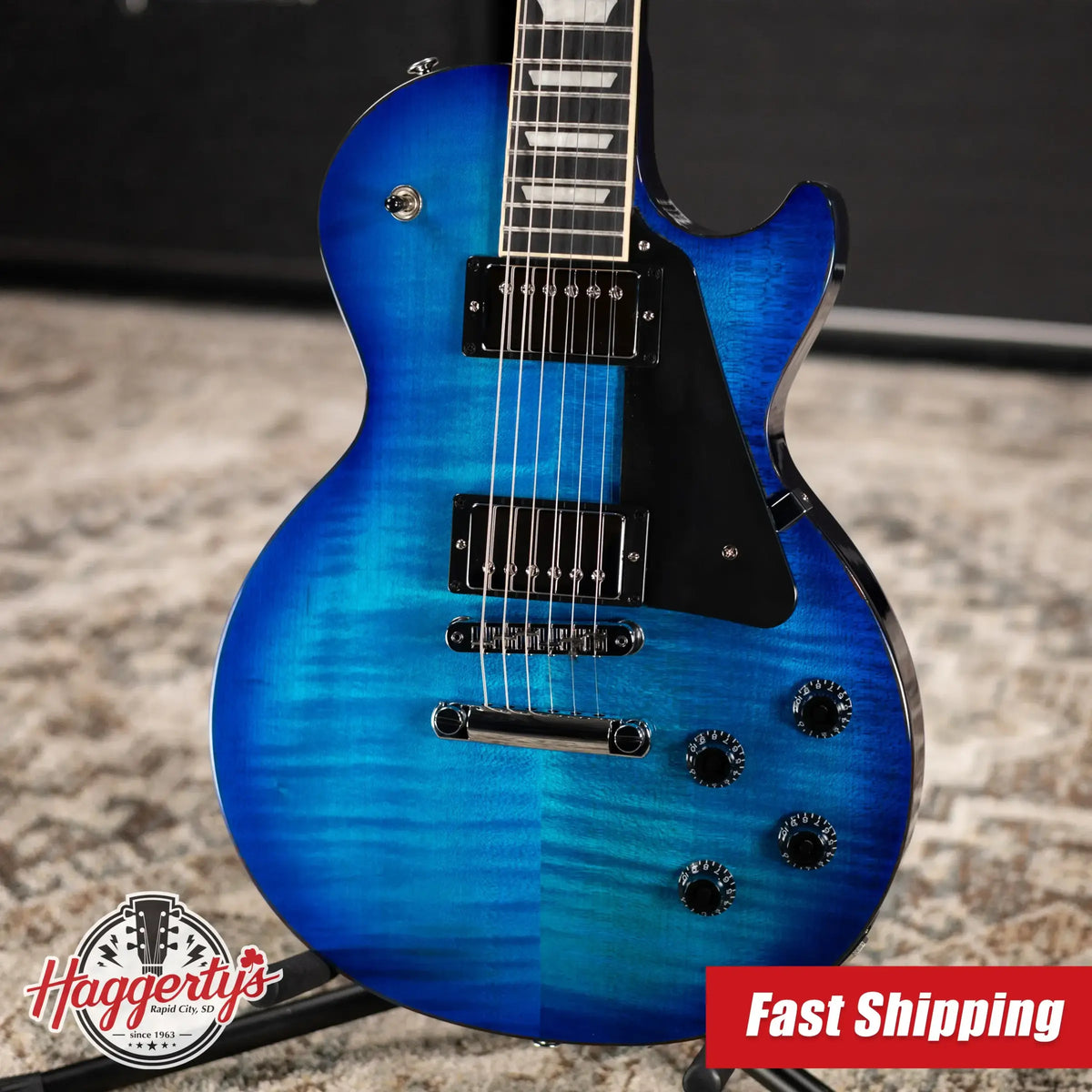
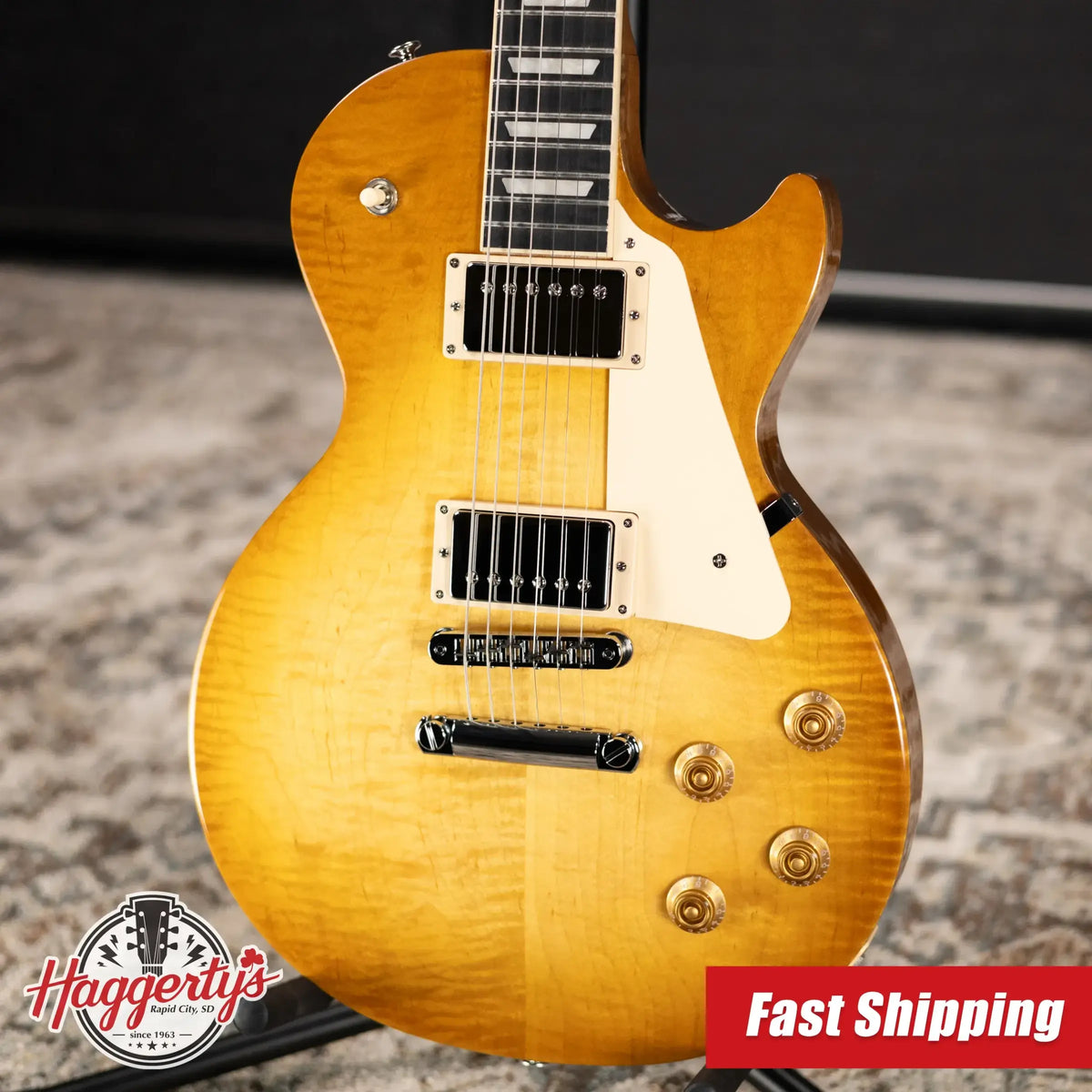
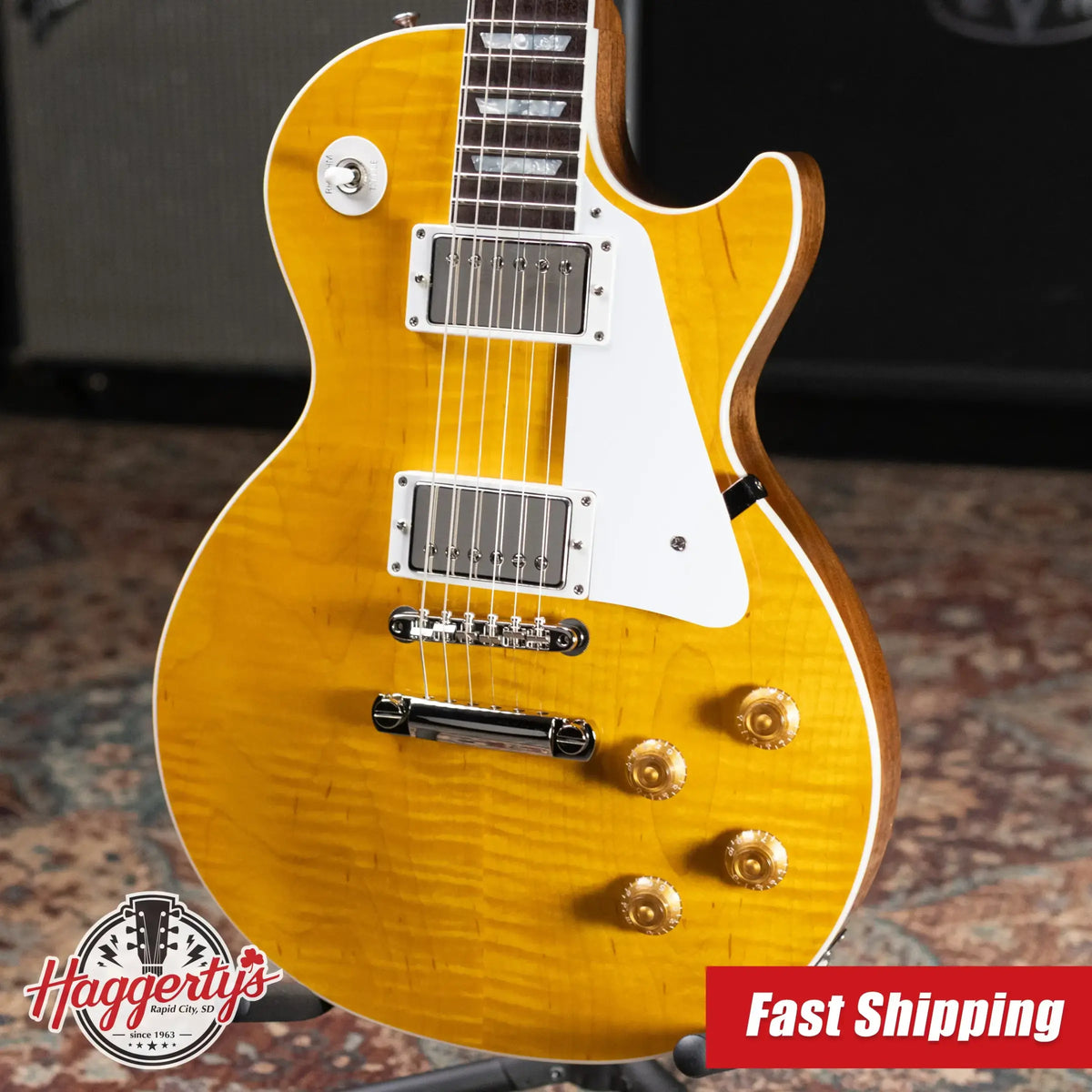
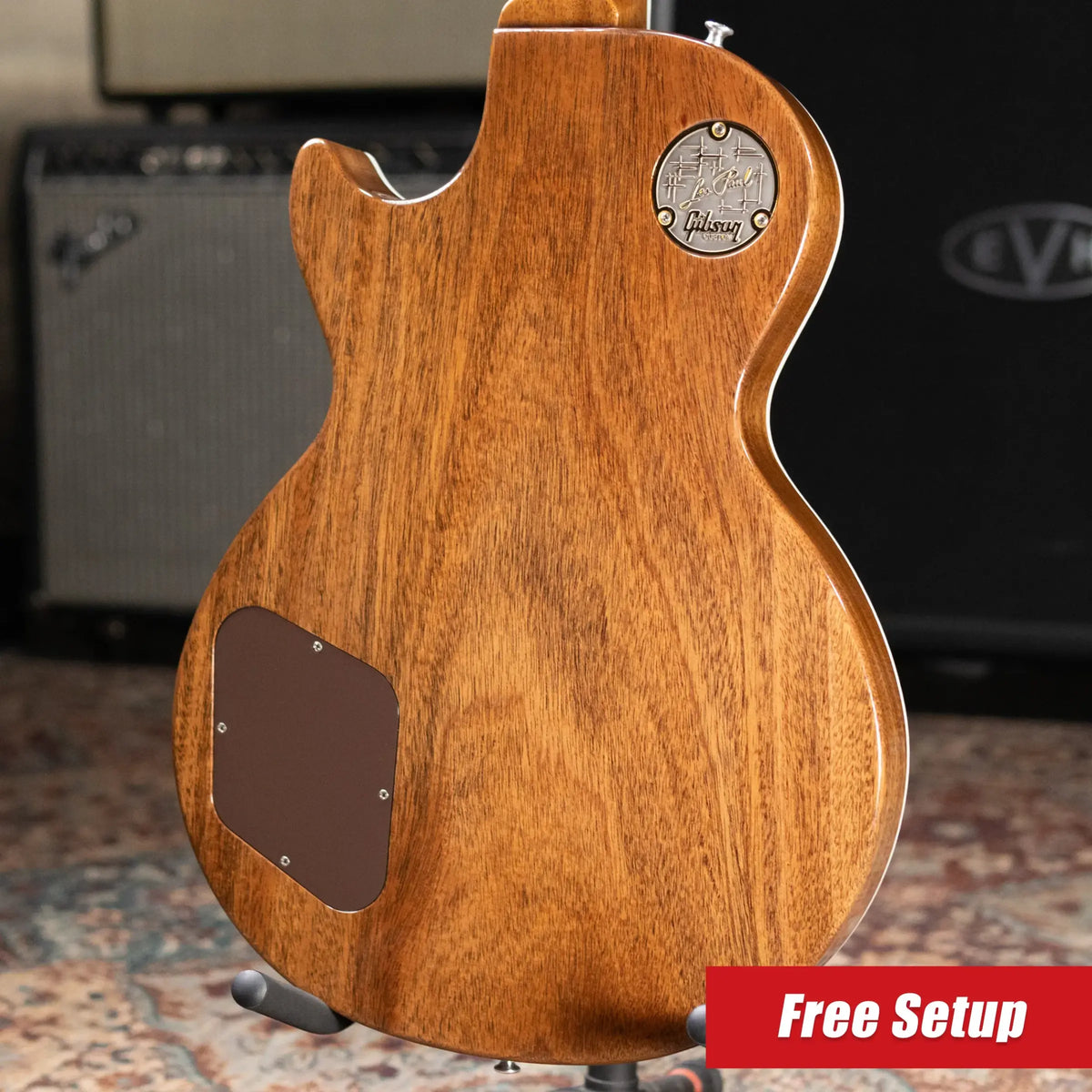
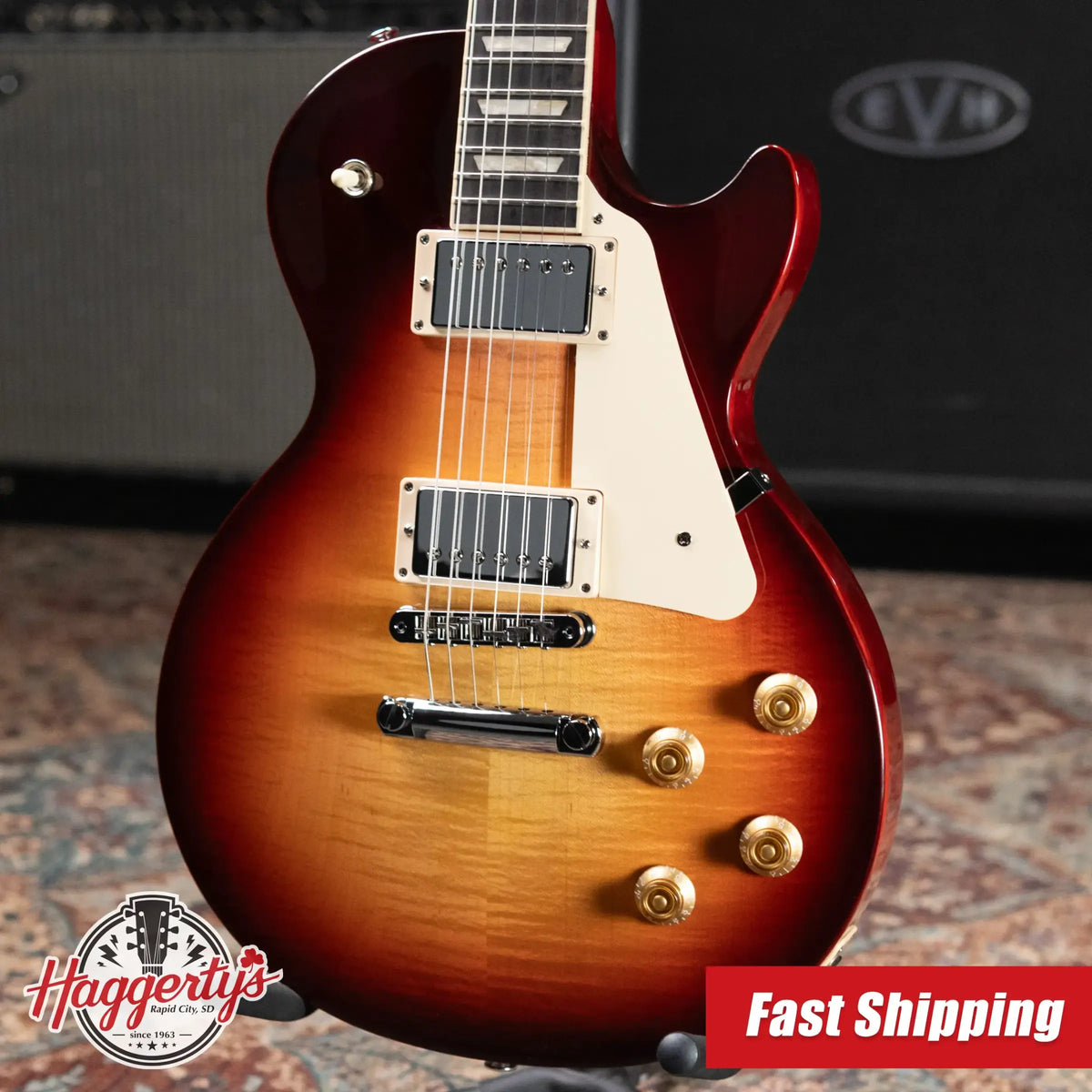
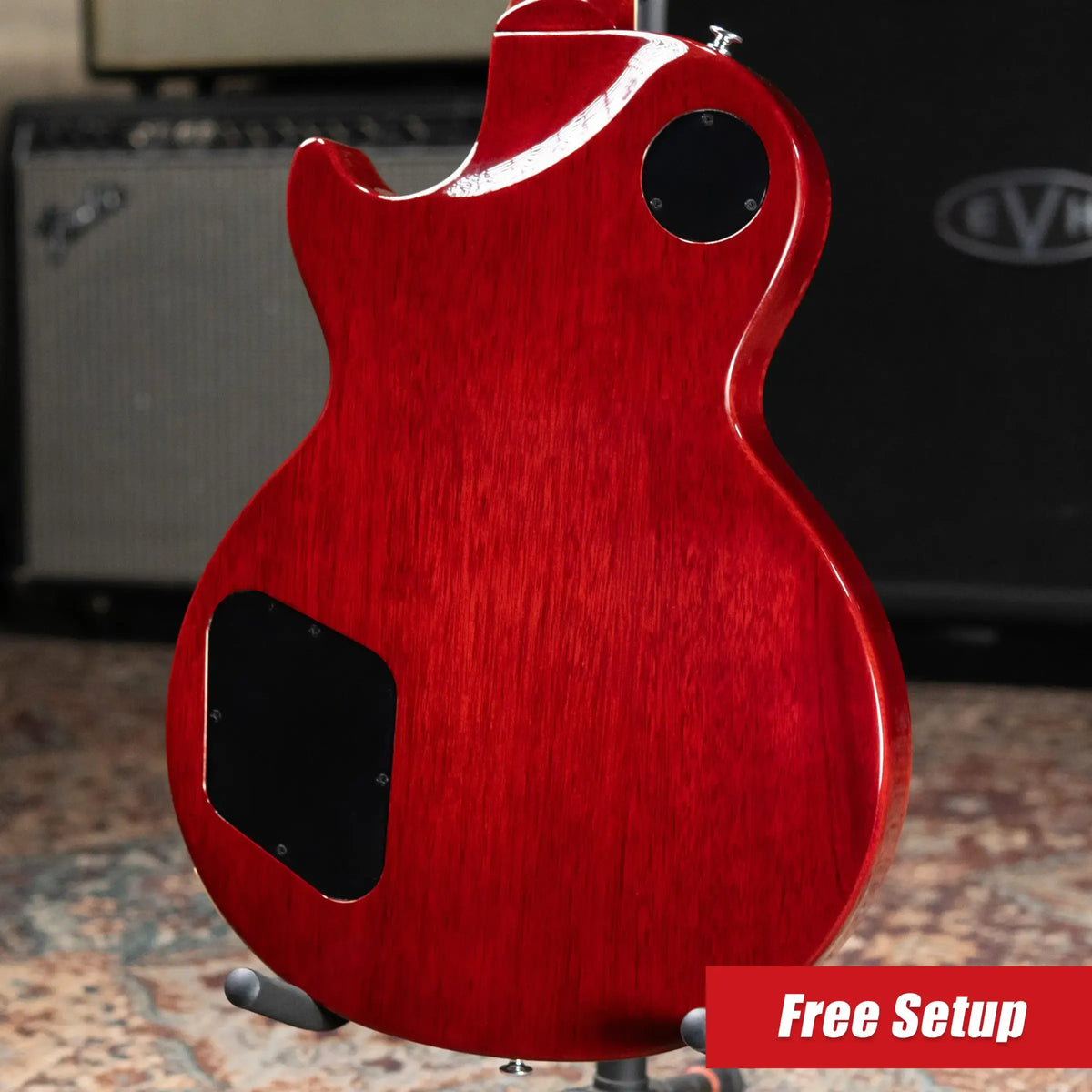
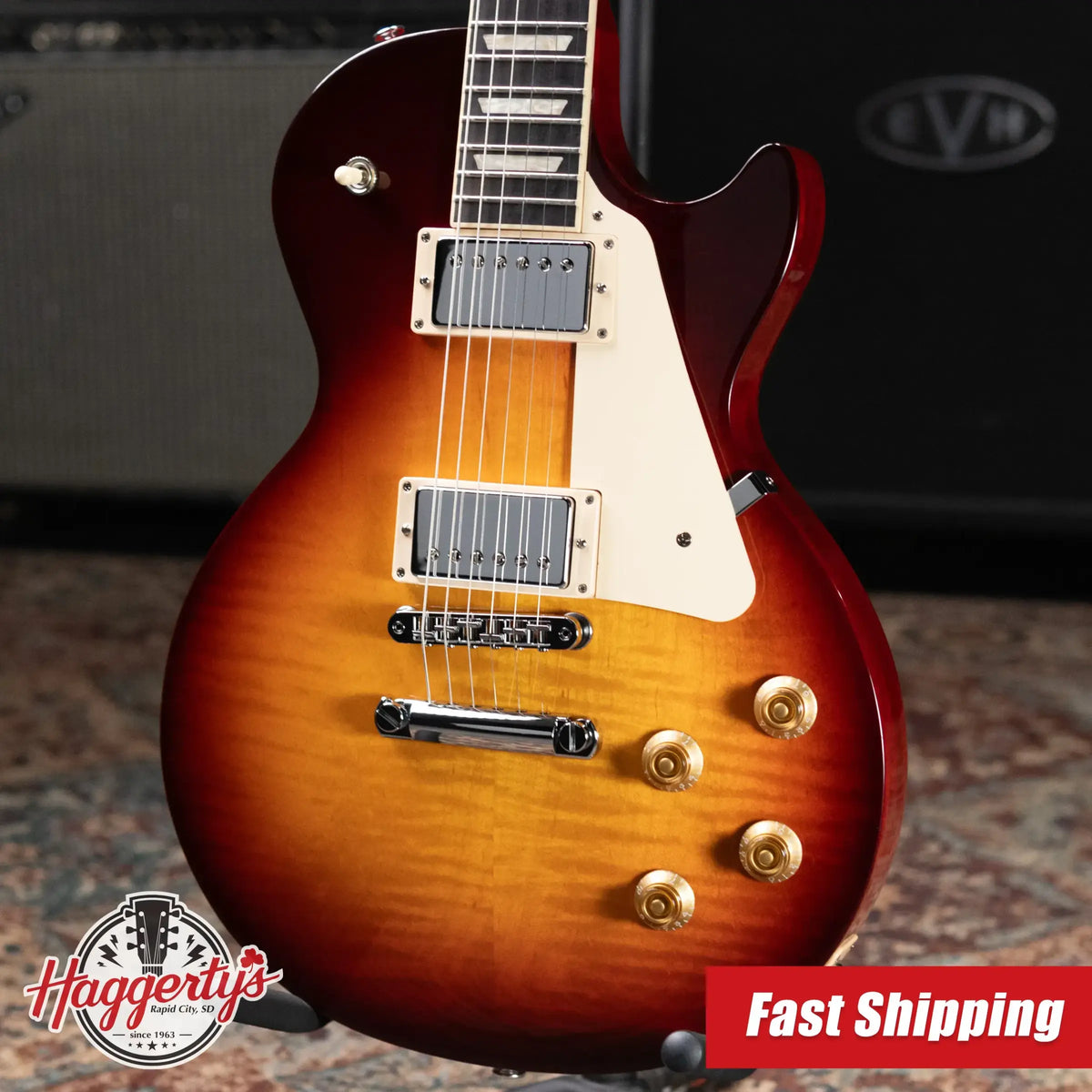
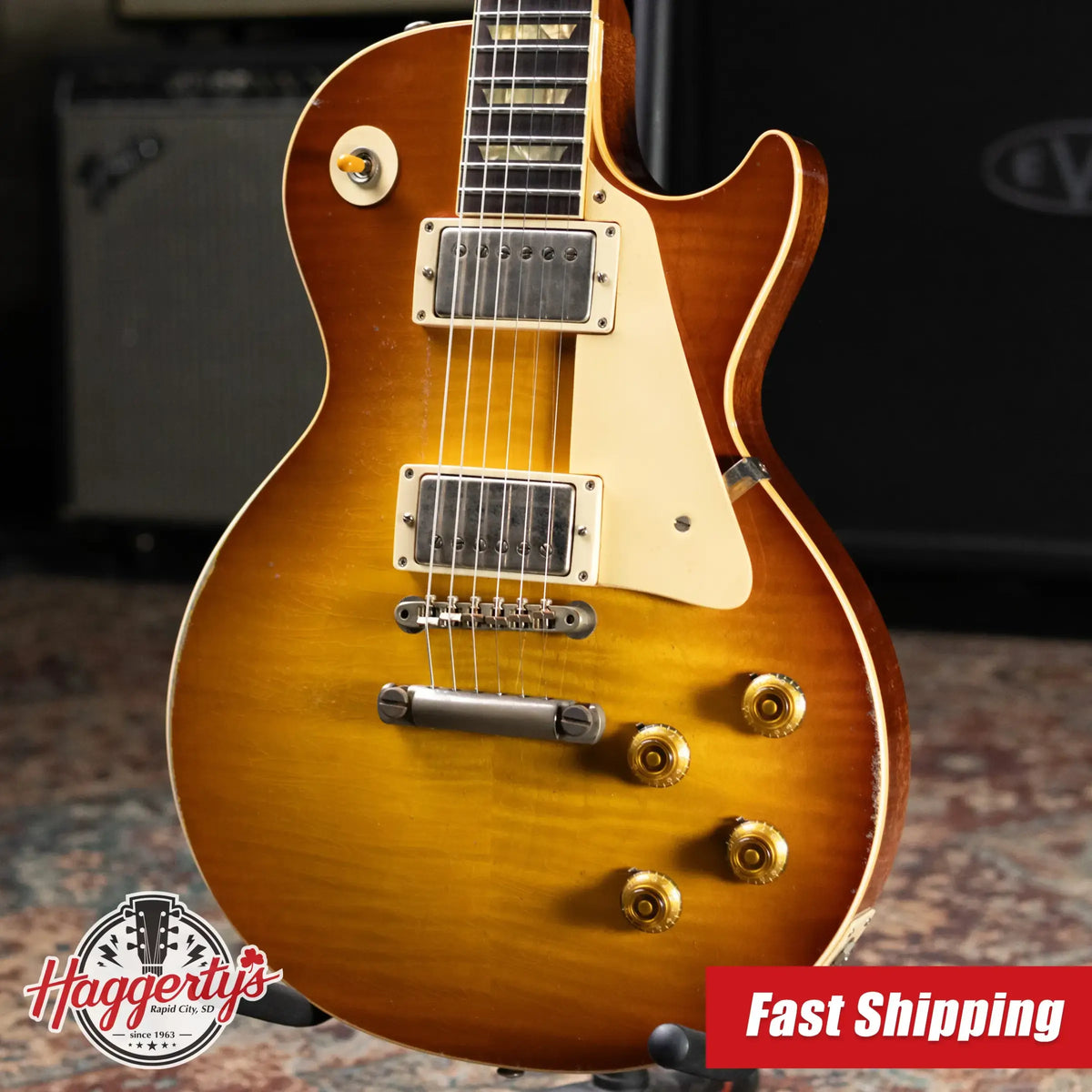
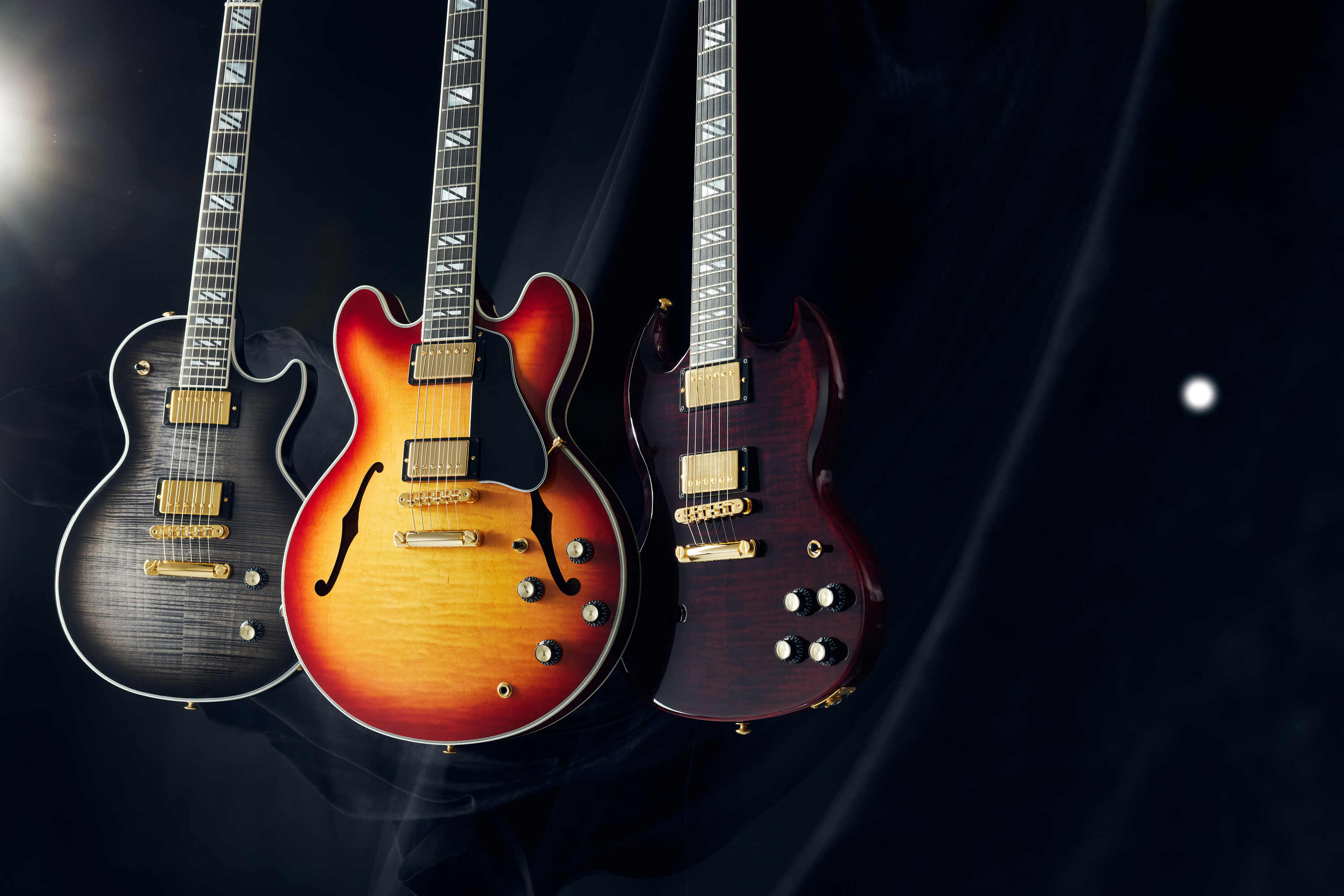
When the Les Paul Standard emerged in 1958, it redefined what a solid-body guitar could be: carved maple top, mahogany body, set neck construction, and a tone that felt both luxurious and explosive. Soon after, models like the SG Standard and ES-335 pushed design forward again with thinner bodies, double cutaways, semi-hollow resonance, each one becoming a cornerstone of a new genre.
Through every era, Gibson has remained rooted in American craftsmanship, with instruments built in Nashville and acoustics crafted in Bozeman. Nitrocellulose finishes, hand-wired electronics, carved tops, and time-honored construction methods aren’t marketing phrases, they are part of a lineage that connects today’s players to generations before them.
A Gibson represents a standard. It is the sound of records that changed culture. When players reach for a Gibson, they’re not just choosing a guitar, they’re stepping into a legacy built by innovators, rebels, virtuosos, and songwriters who demanded more from their instruments.
Some brands chase trends. Gibson builds the tools that define them.
Shop Gibson Collections




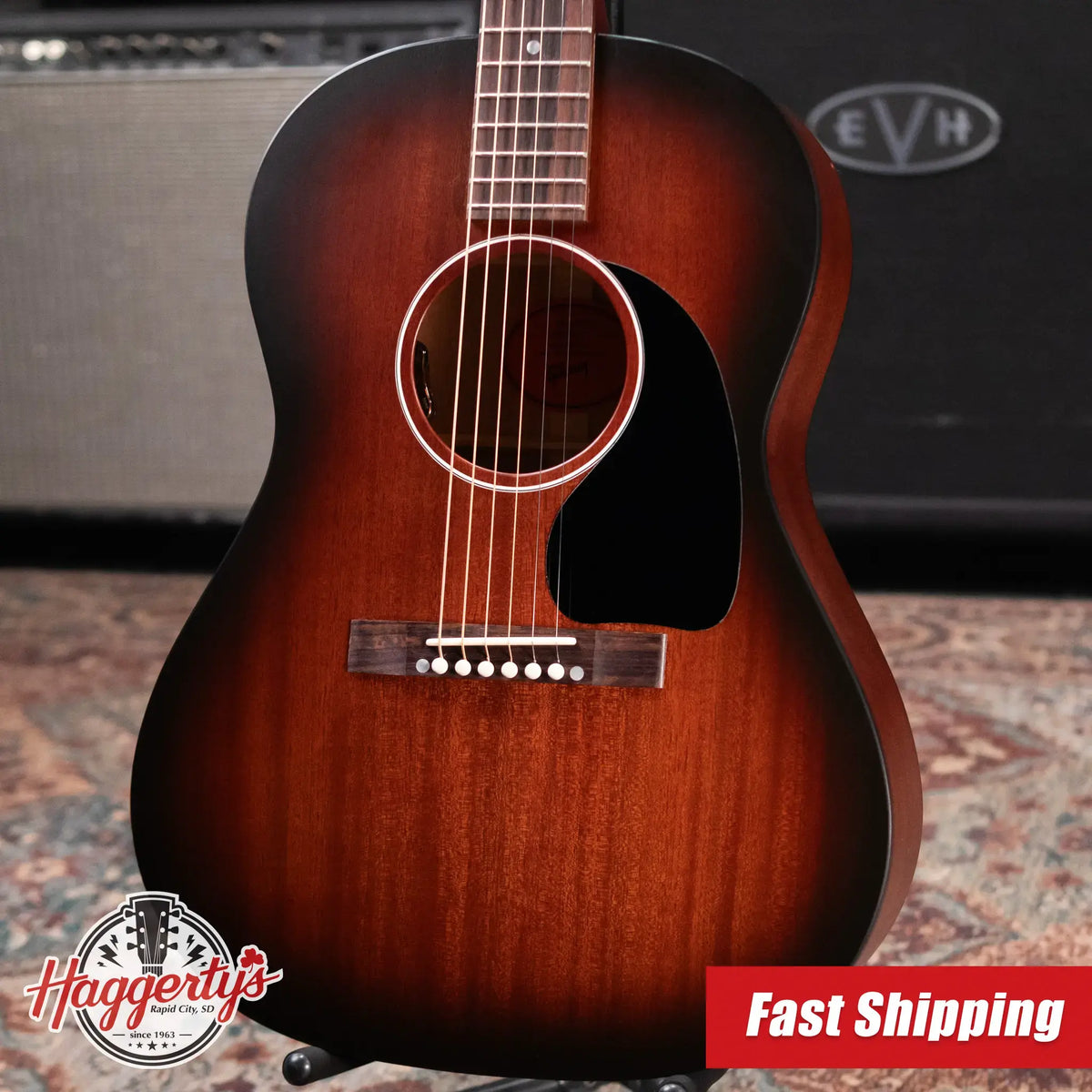
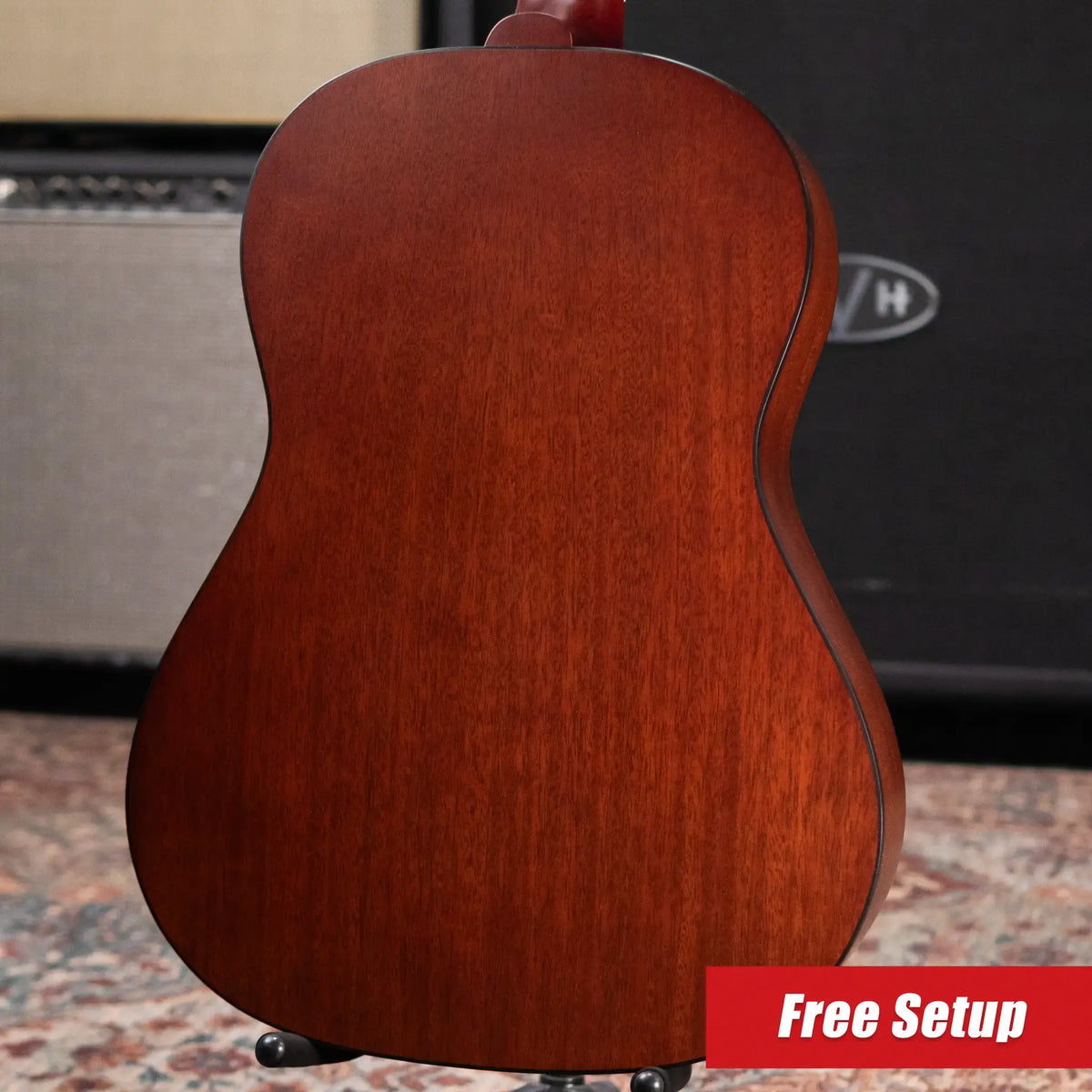
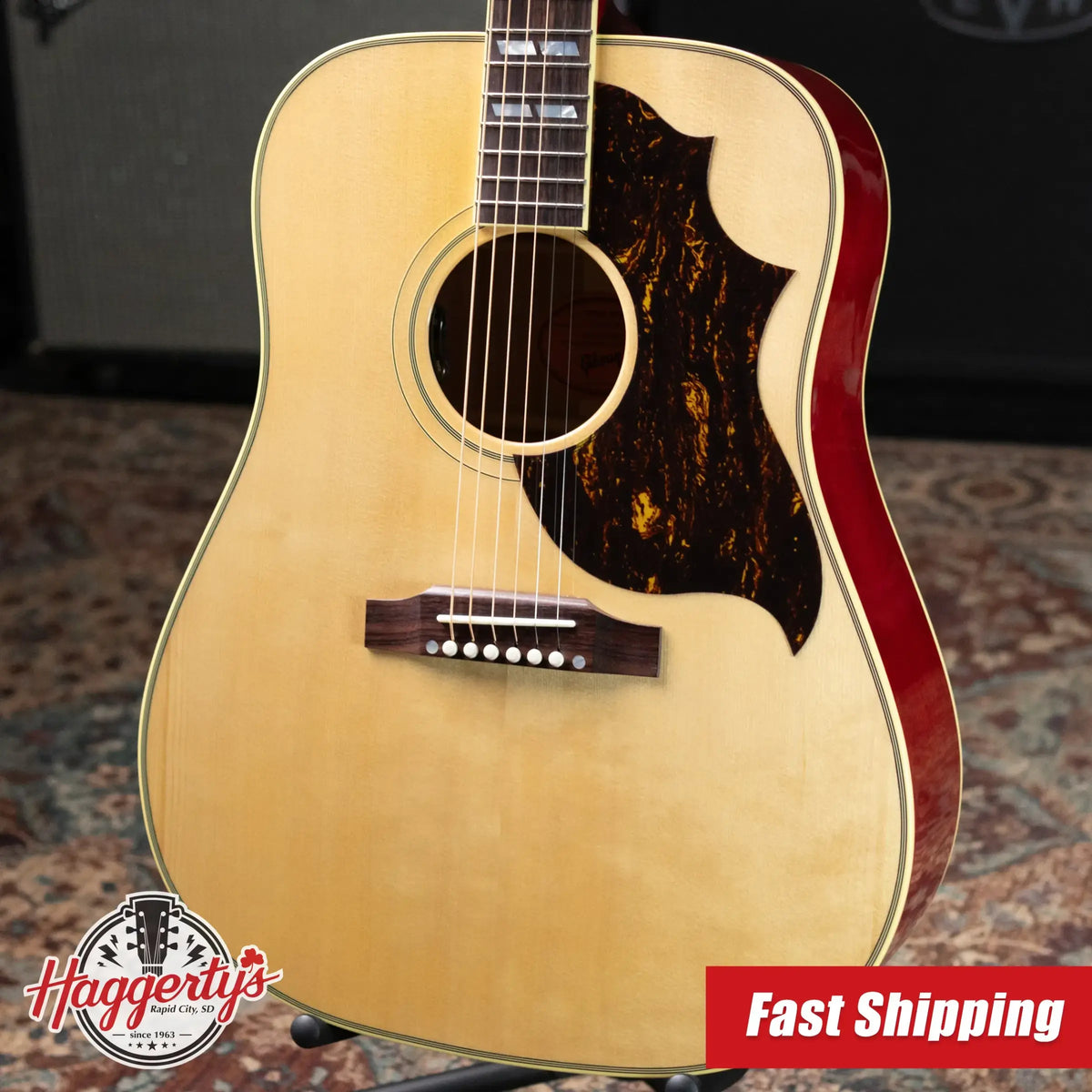
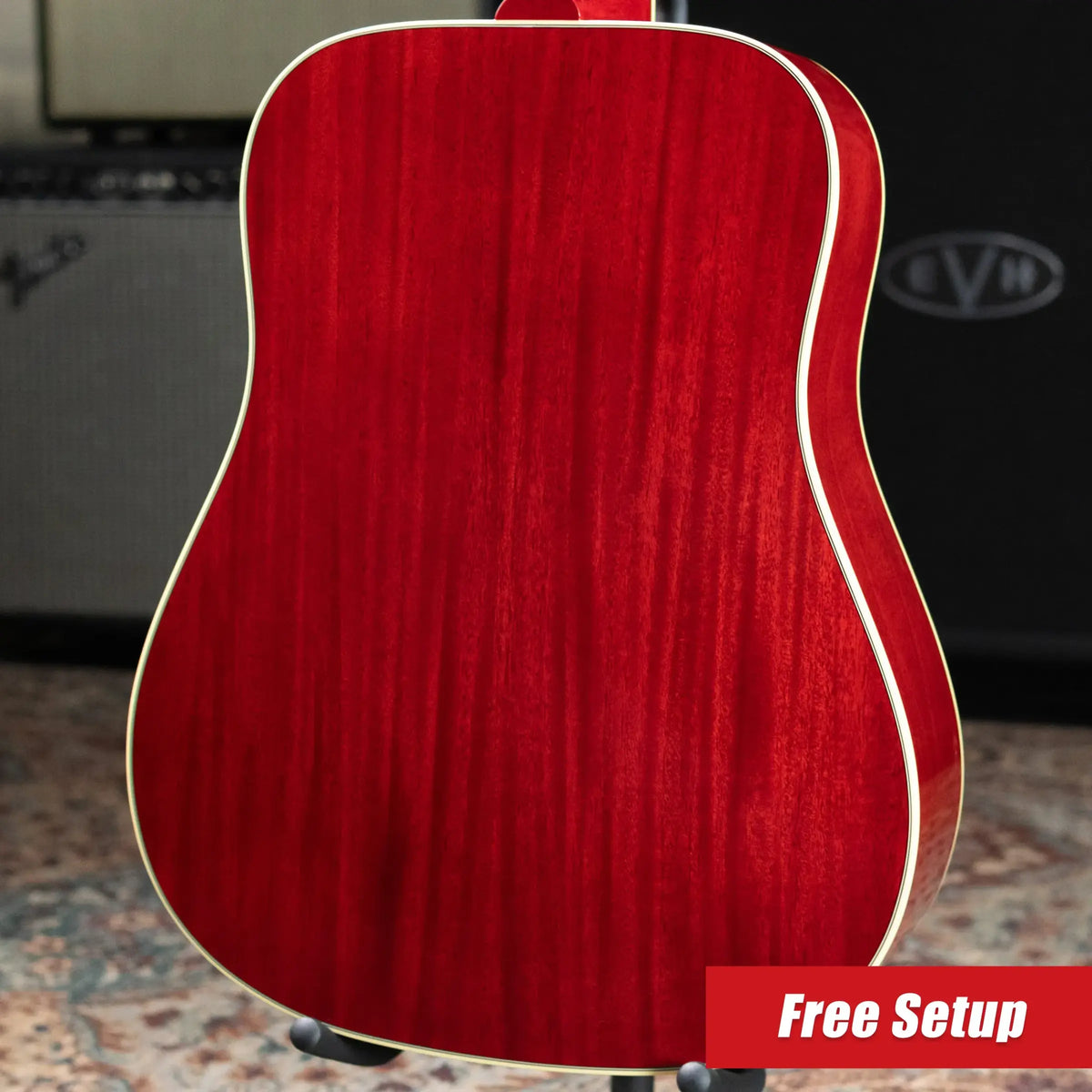



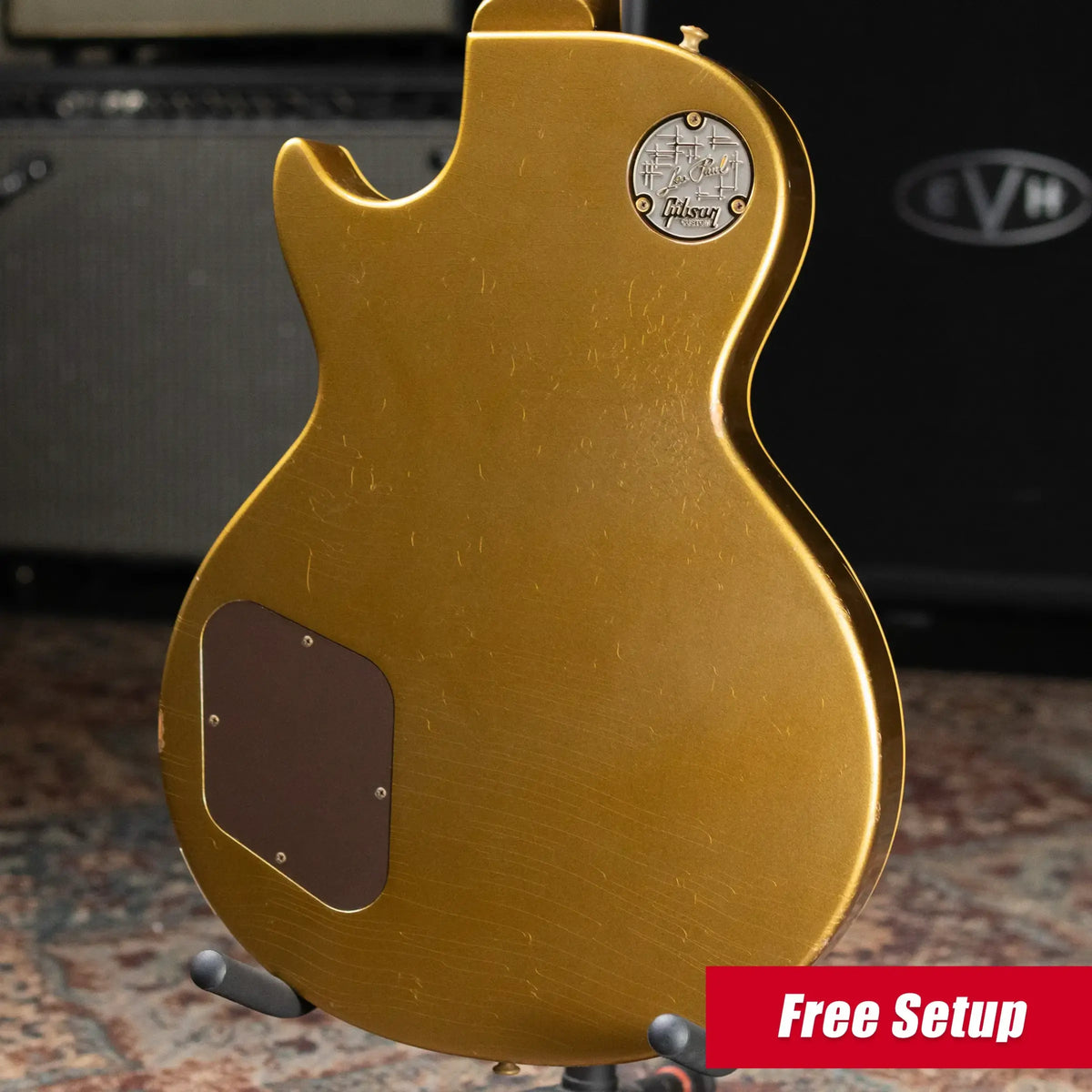
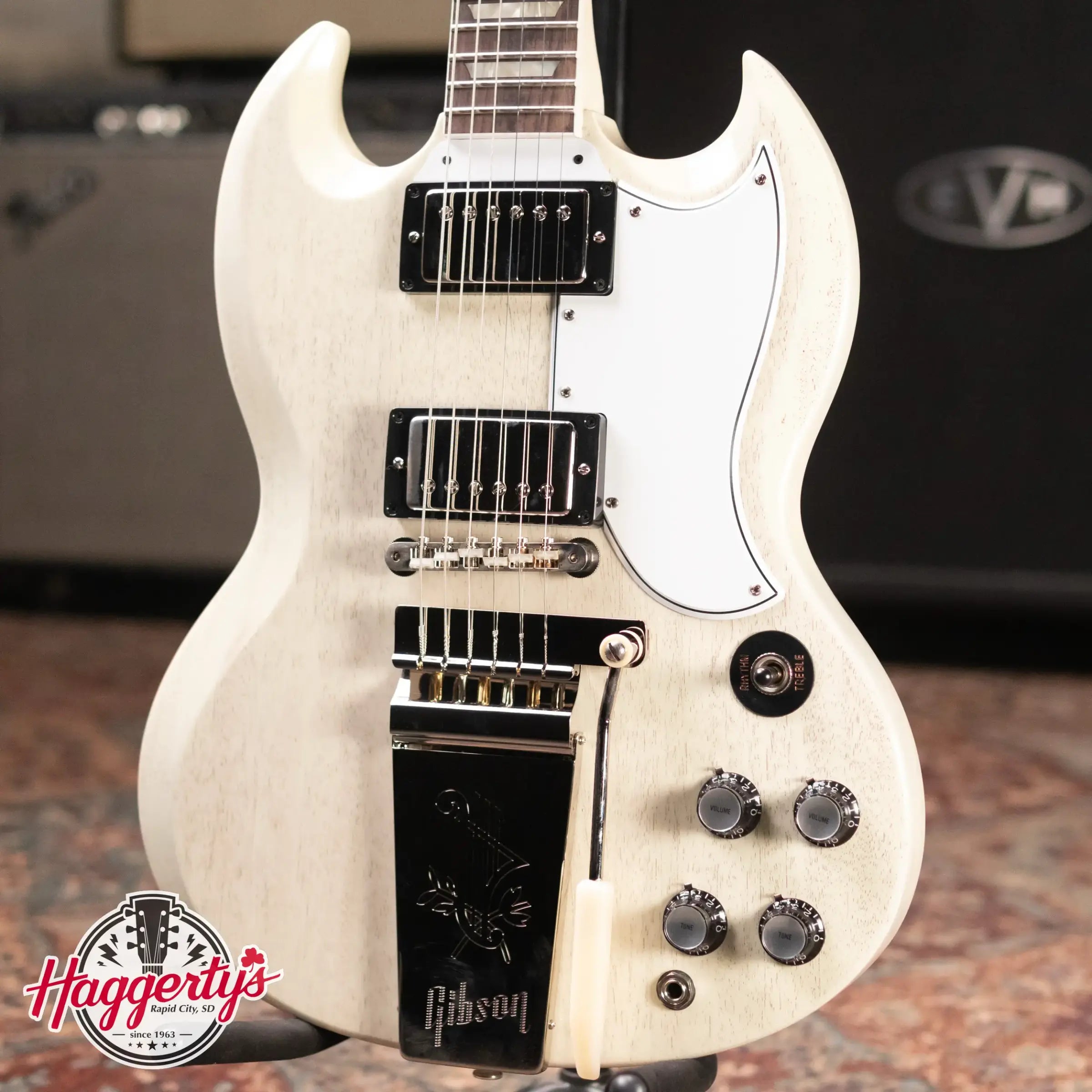
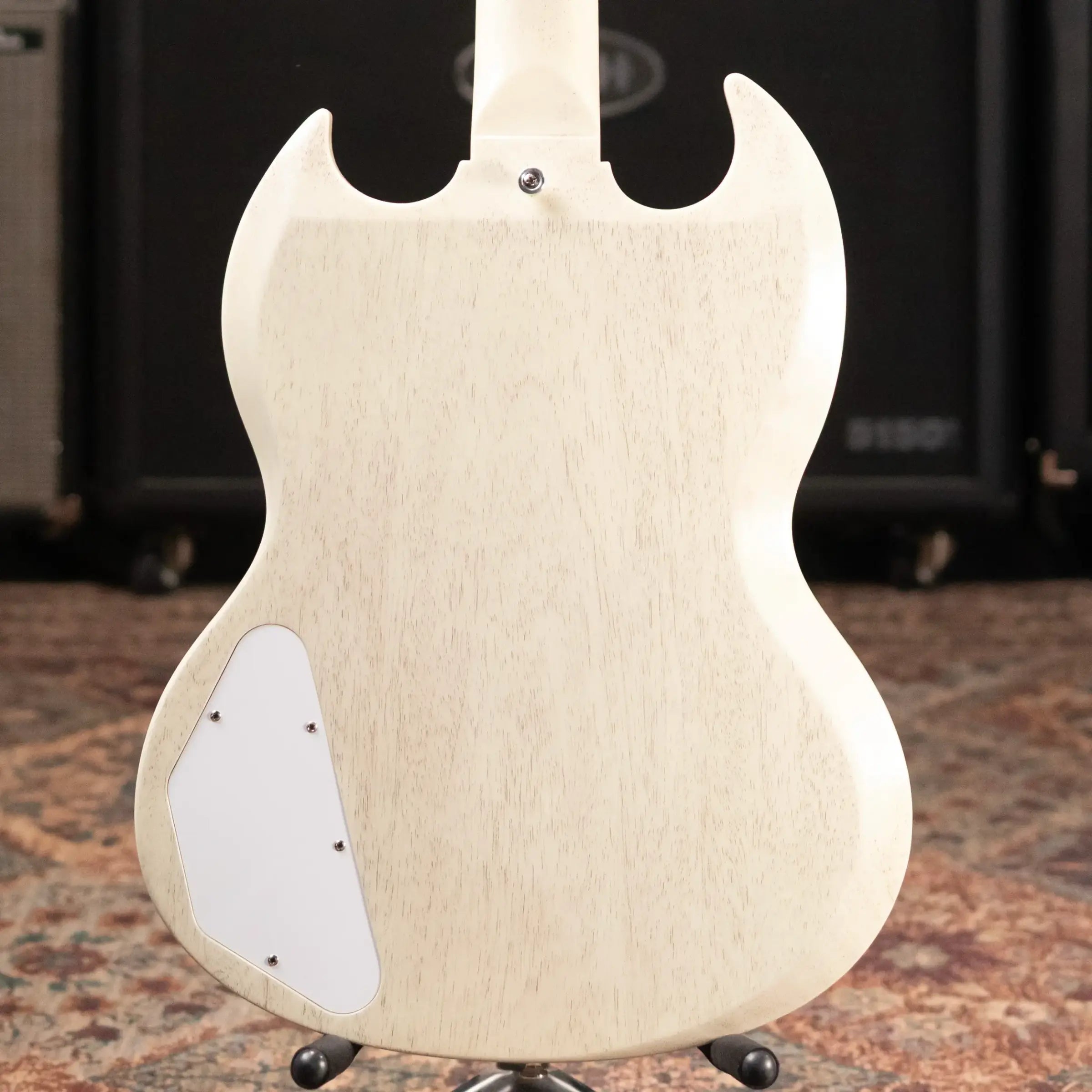
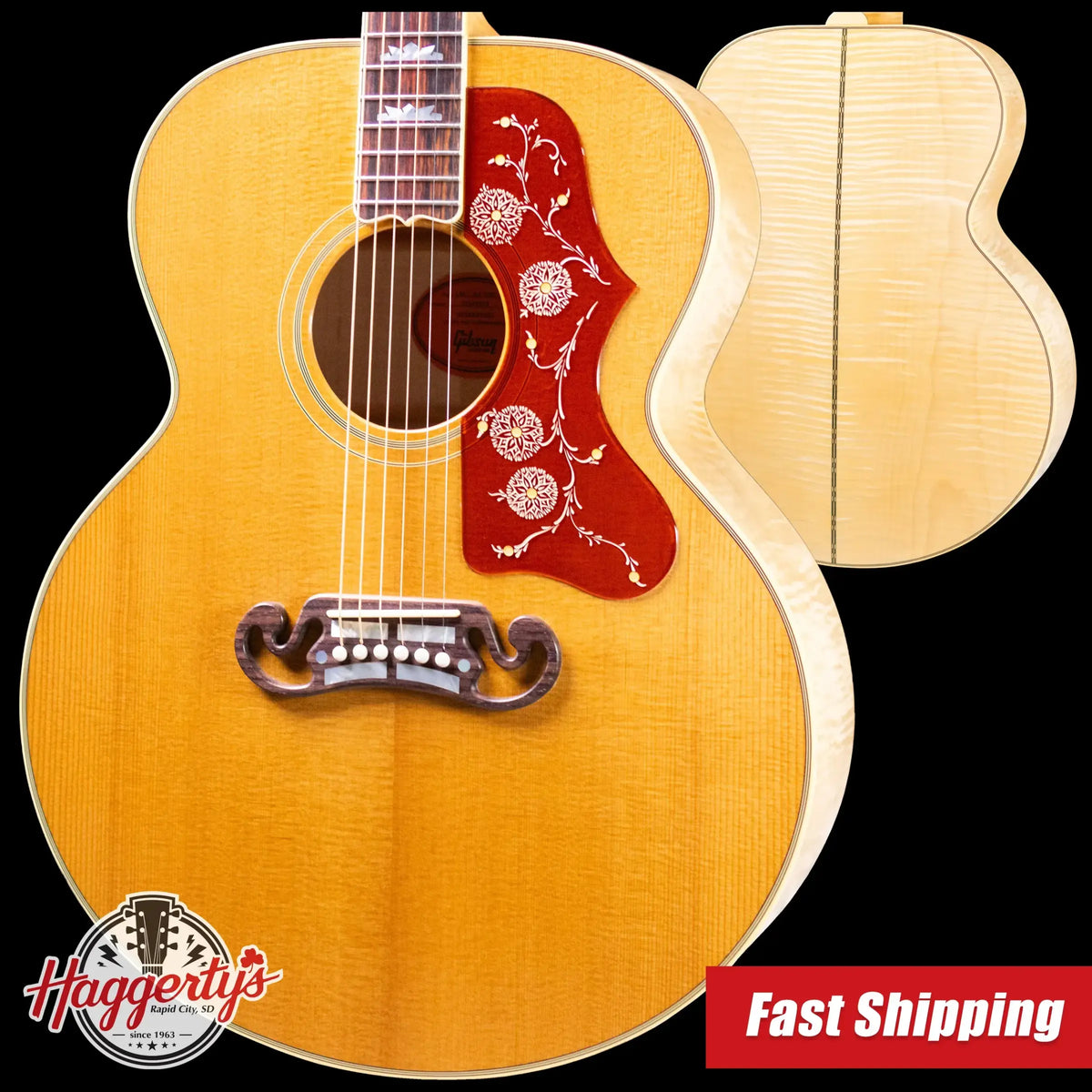




Gibson Falcon 20 1x12 Combo Guitar Amplifier - Demo
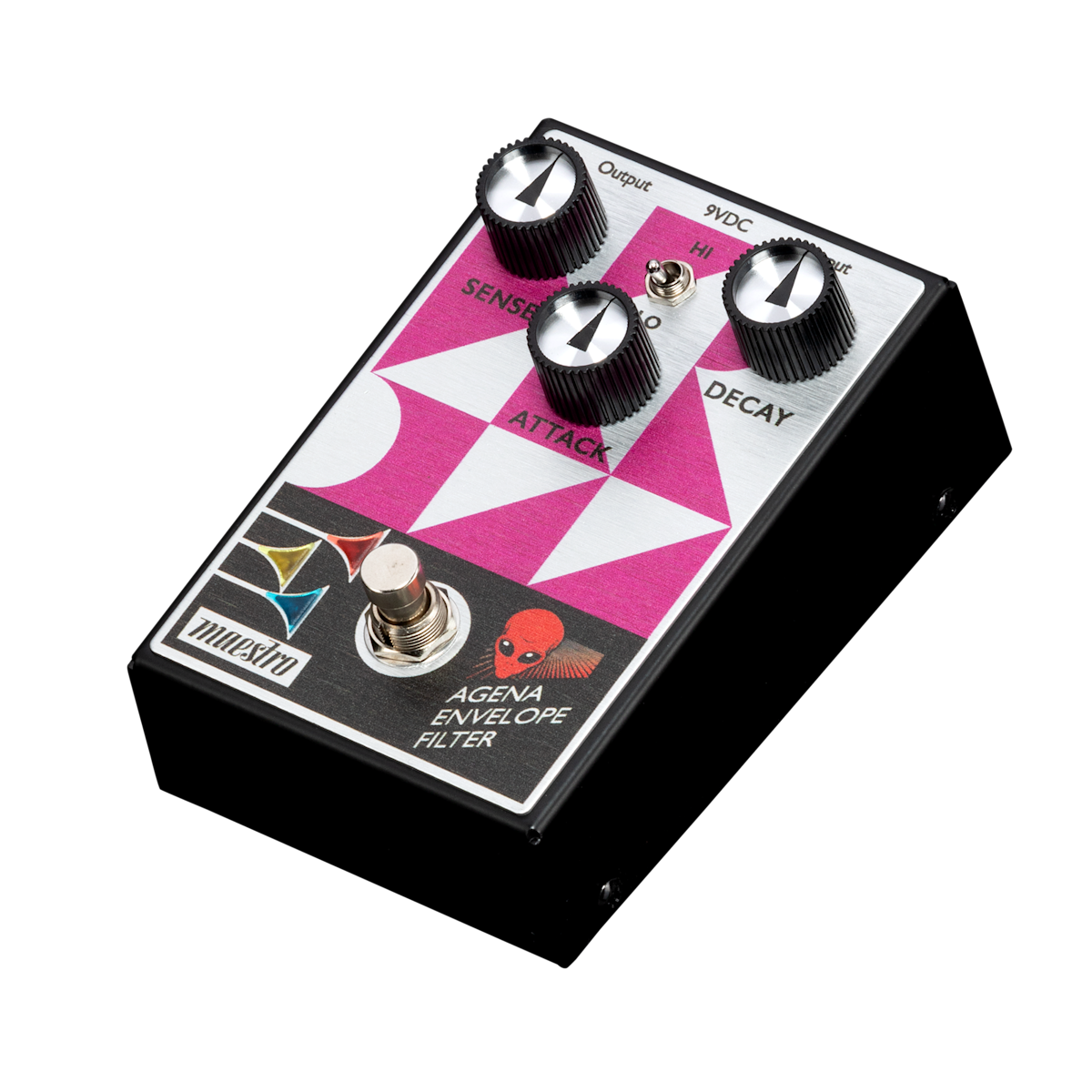
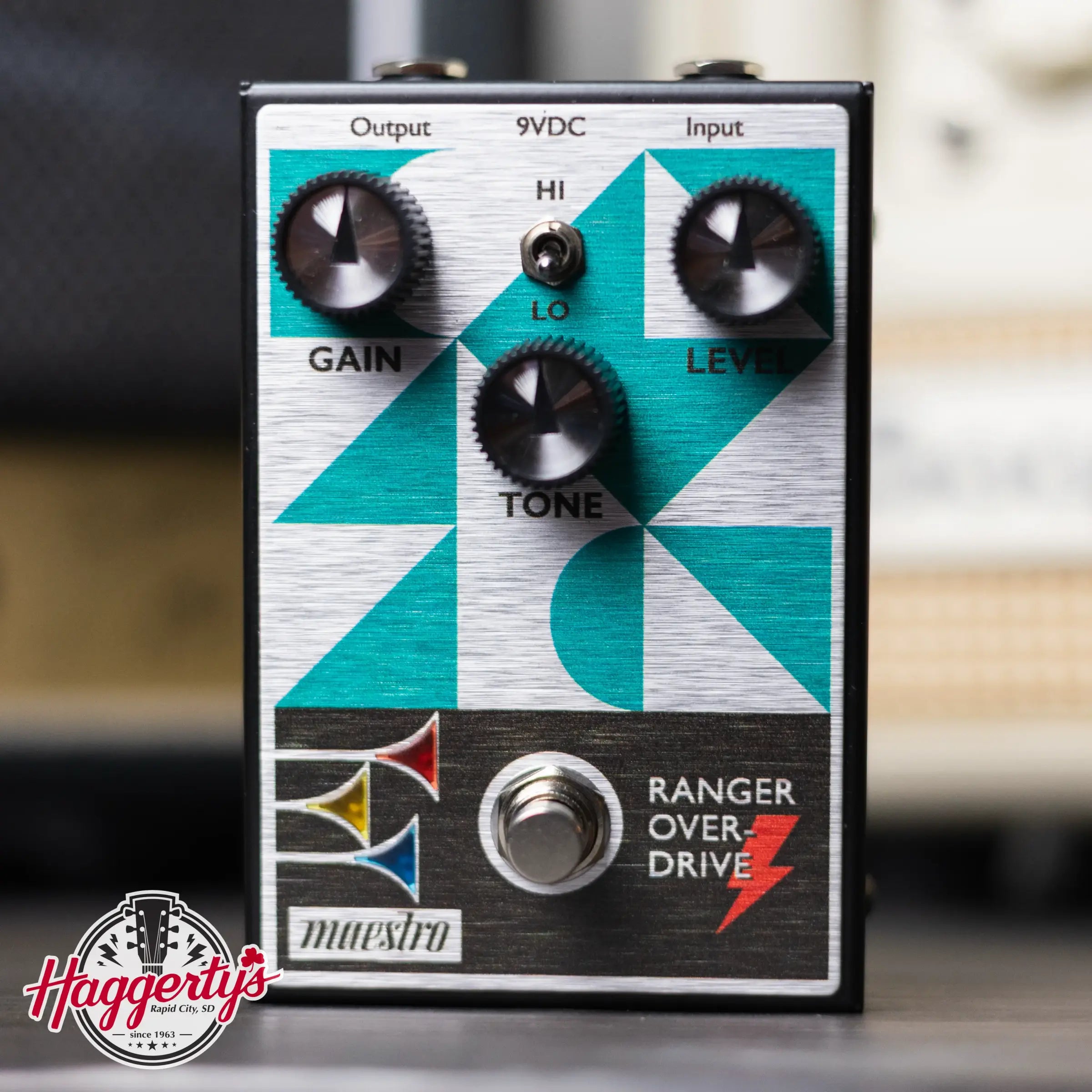
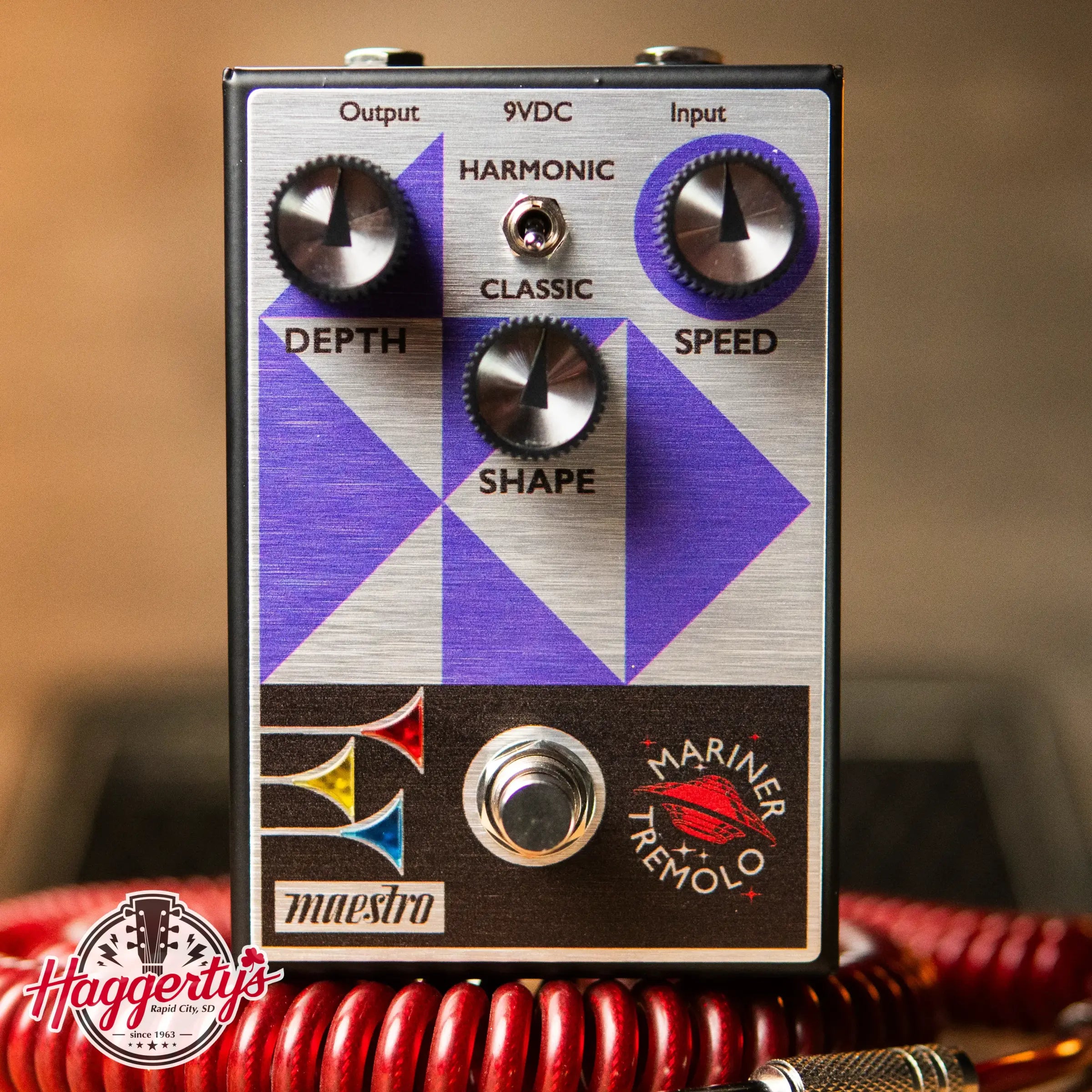


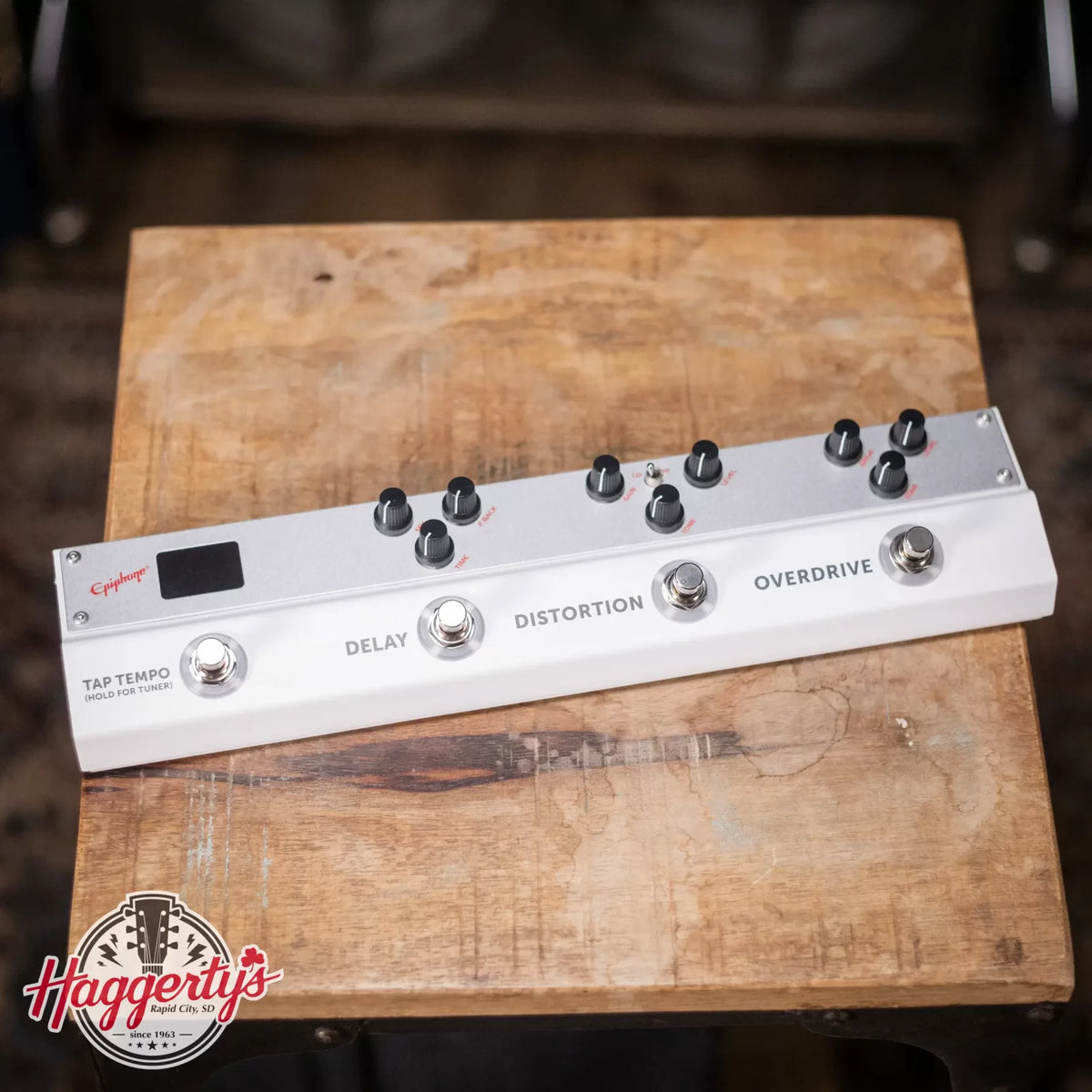
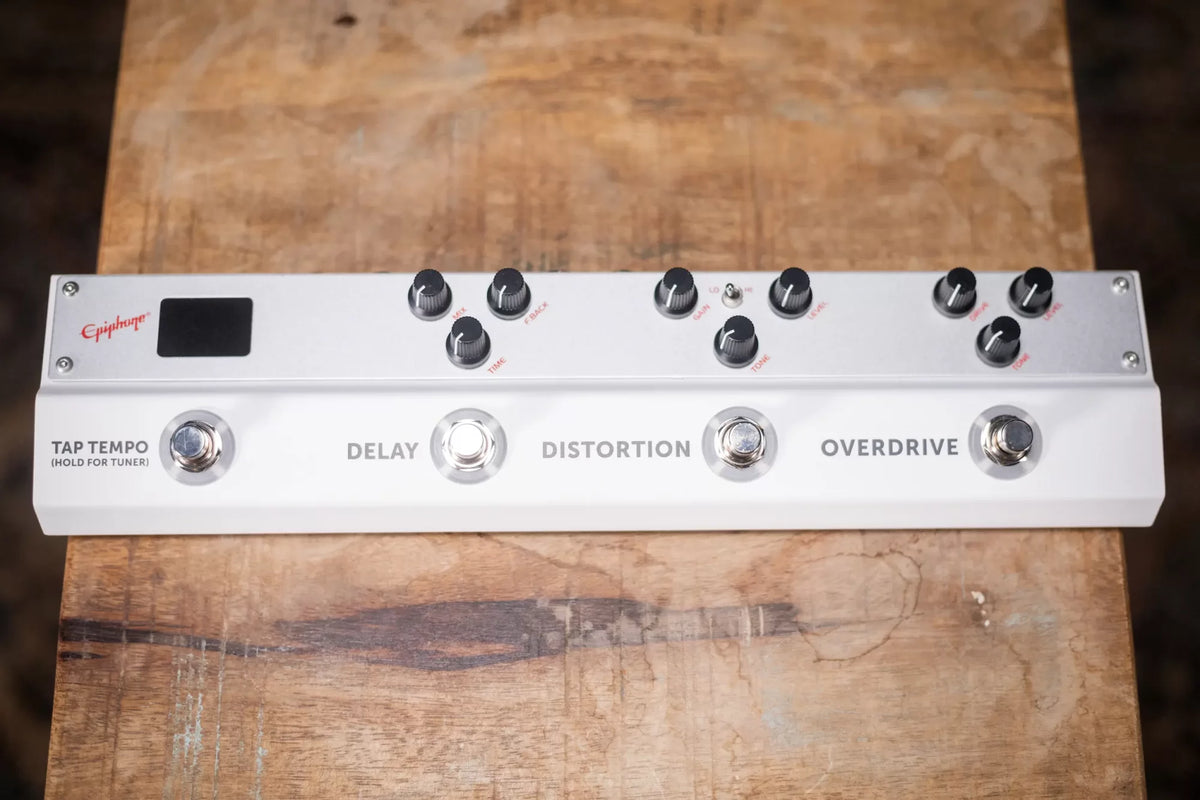
Epiphone Power Players Multi-Effects Pedal - White
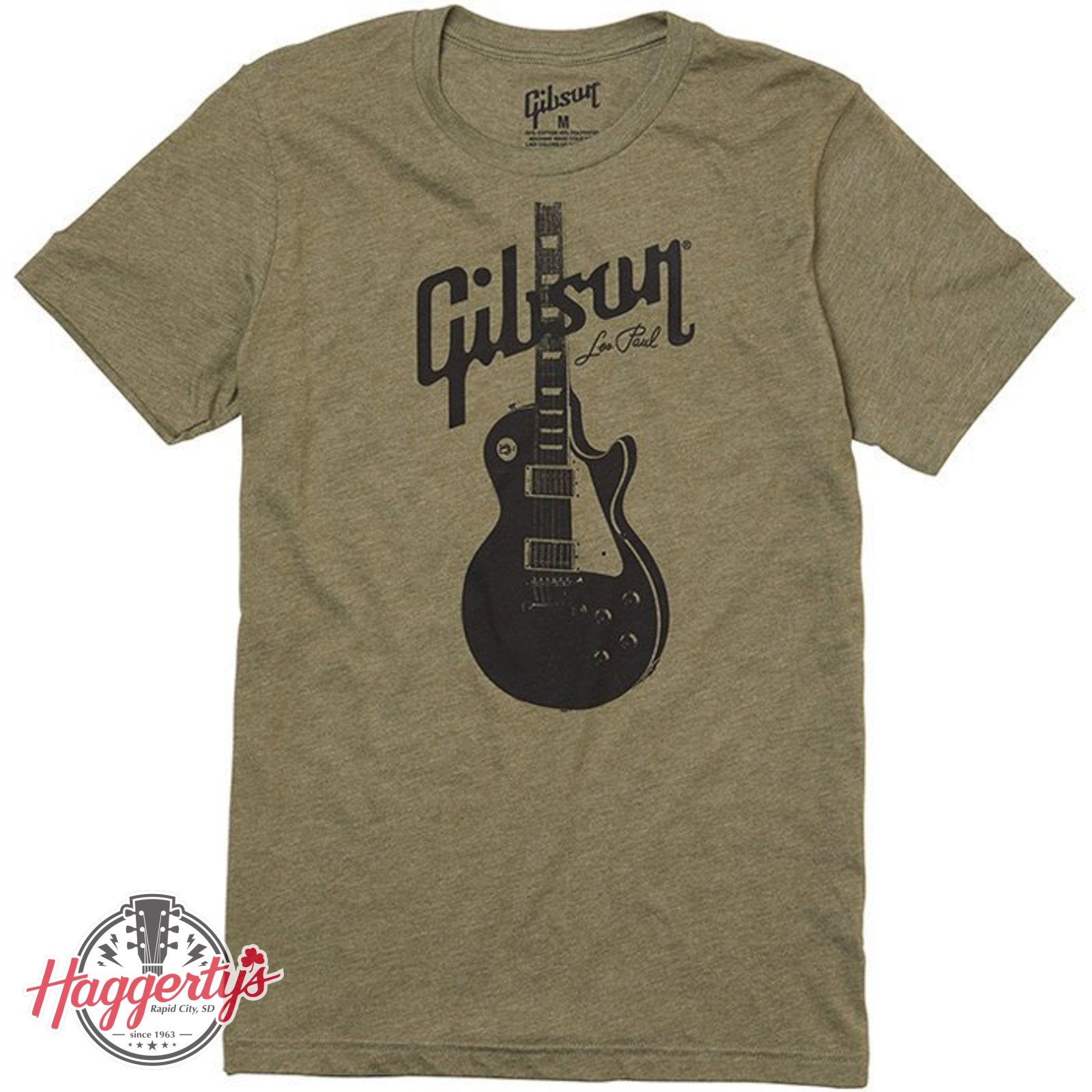
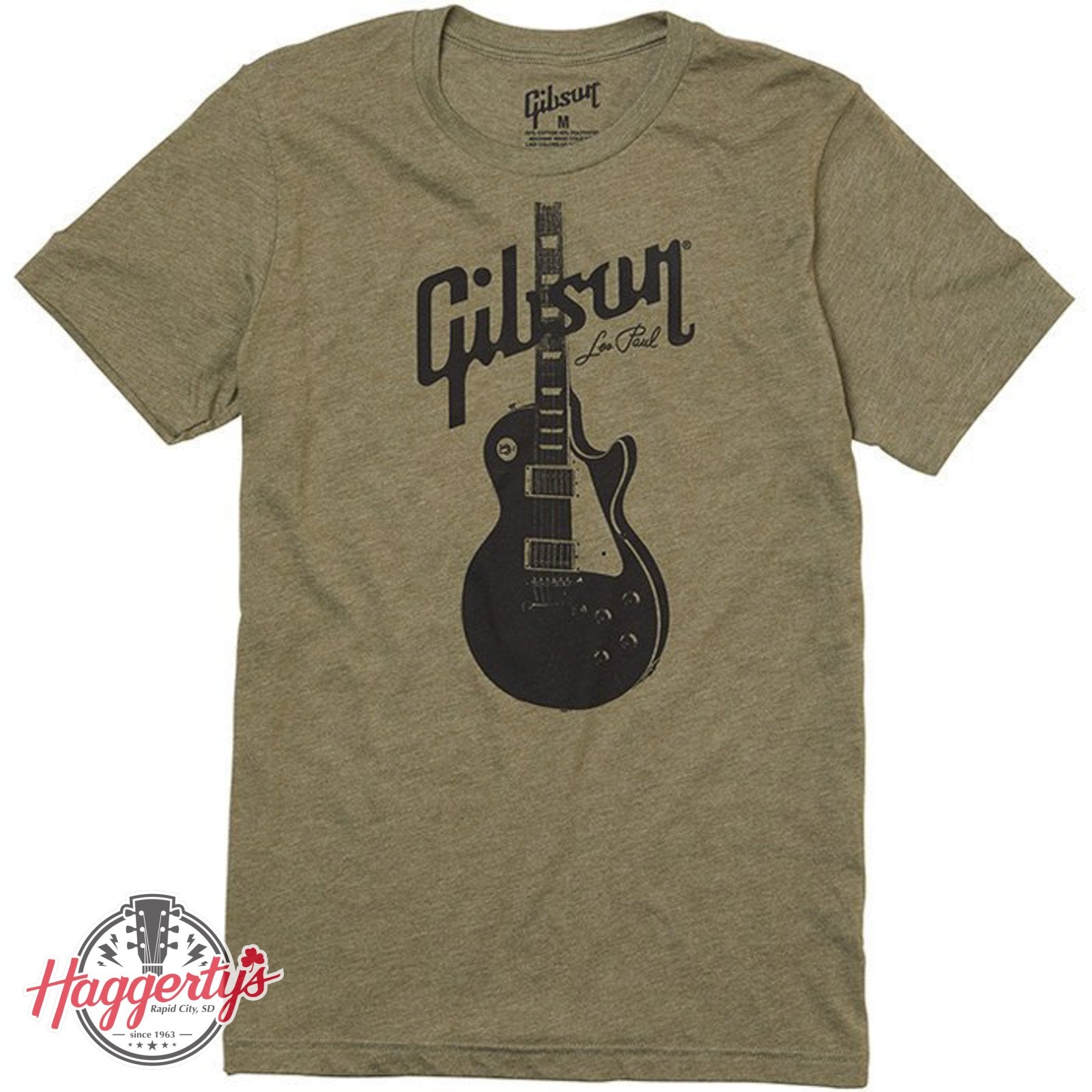
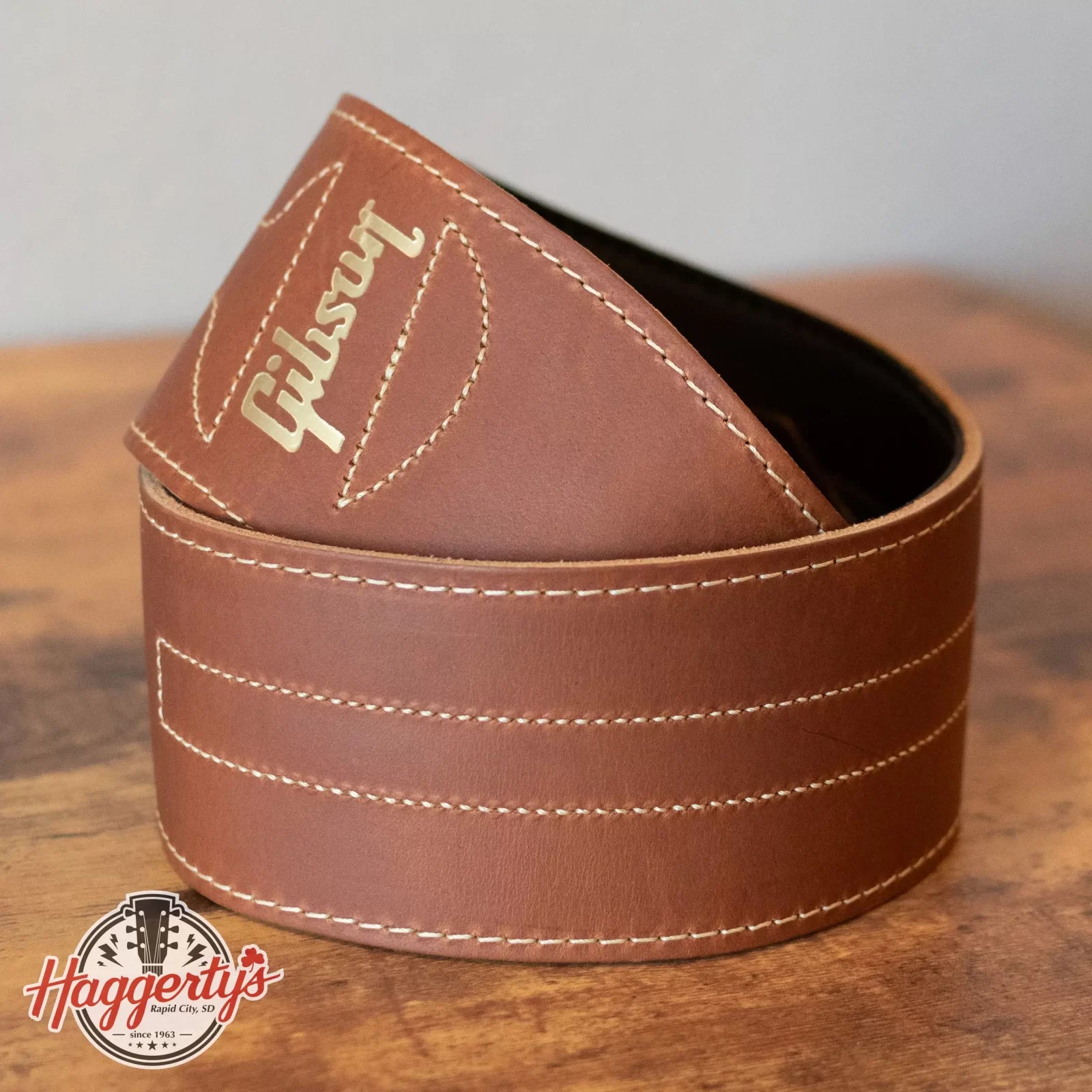
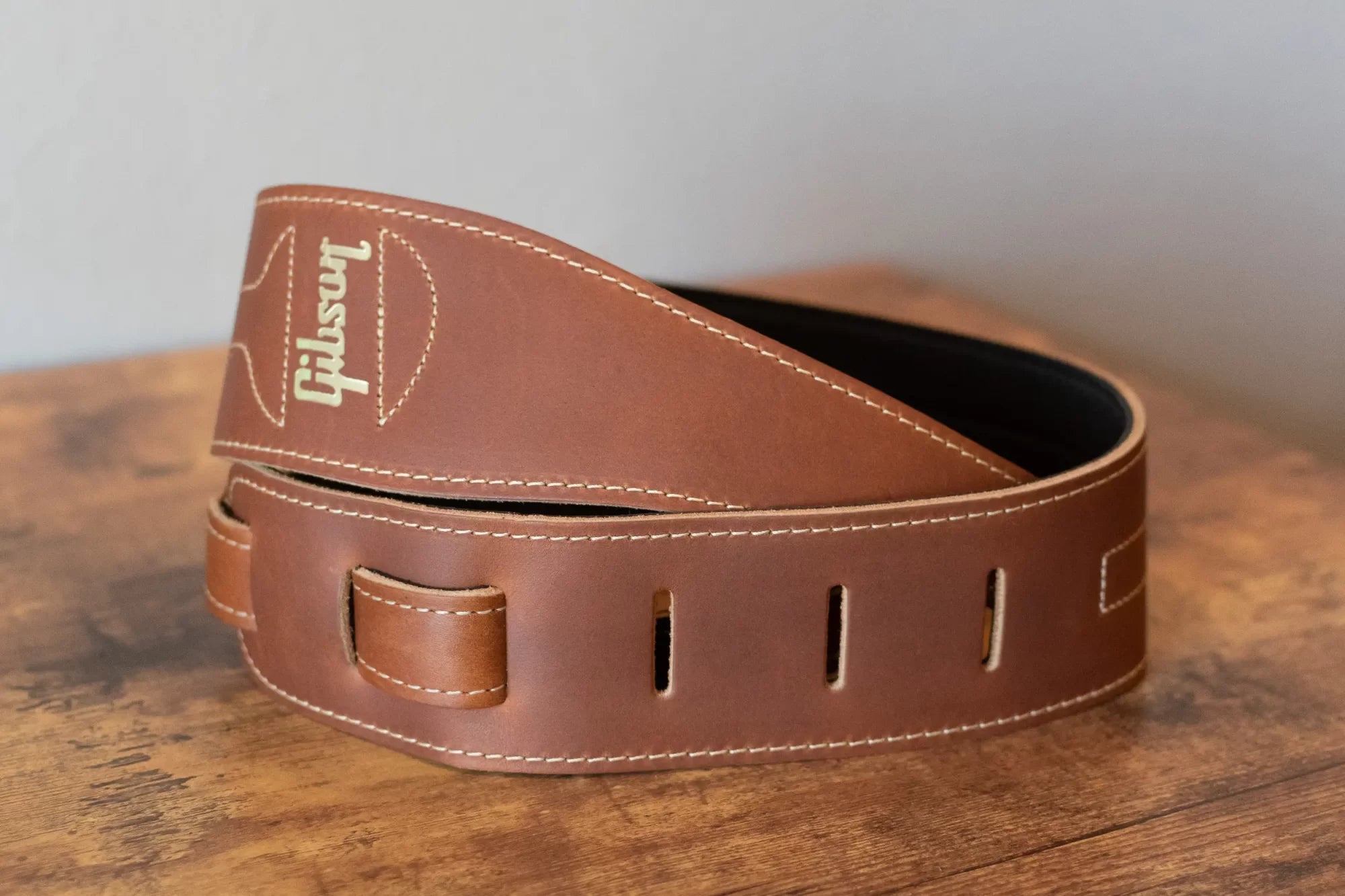



Gibson Nashville Men's Tee (Navy), Extra Large

Iconic Gibson Models
For over a century, Gibson has produced instruments that don’t just represent eras of music, they define them. Below is a scannable breakdown of the core models that continue to shape stages and studios worldwide.
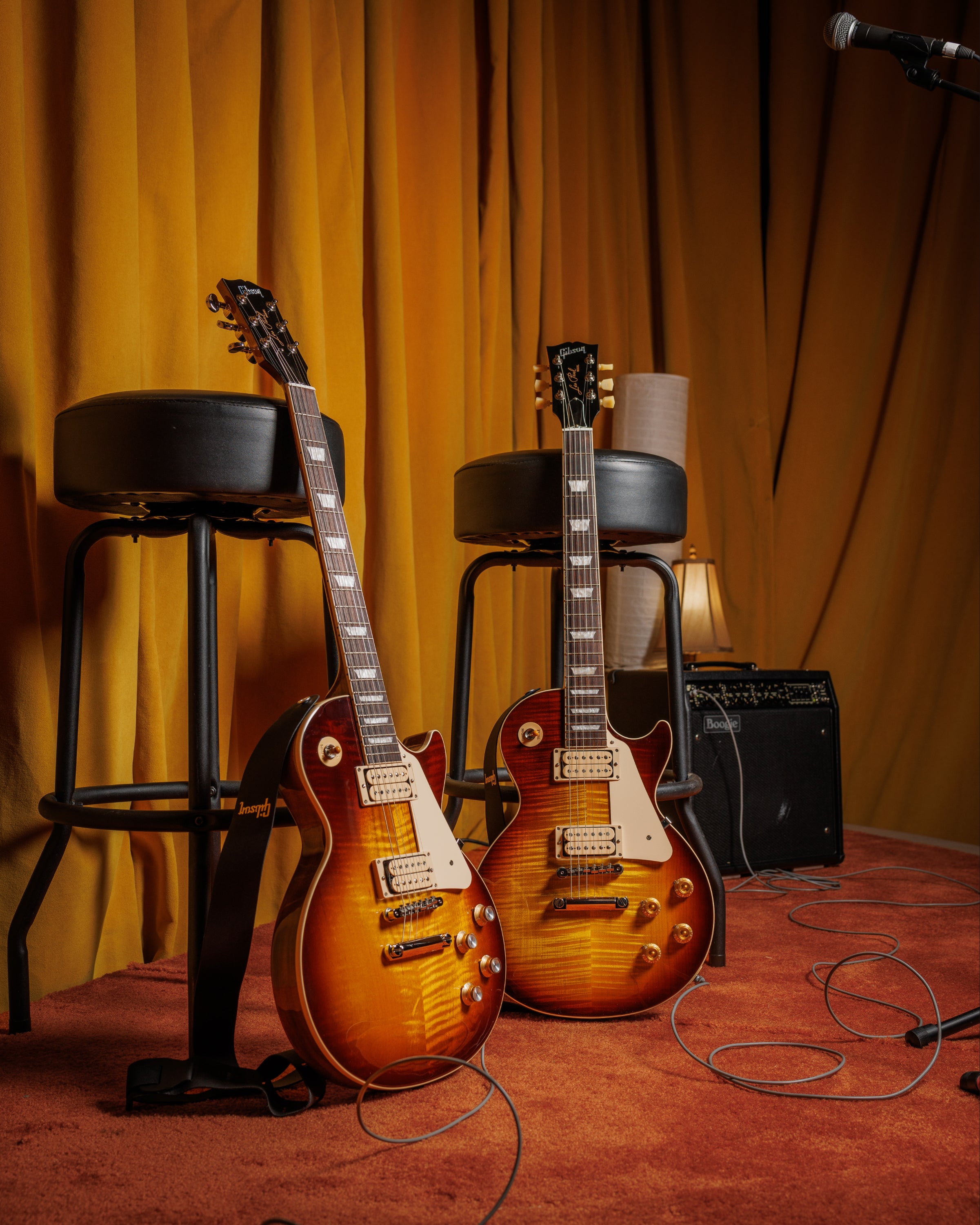
Les Paul Standard
Tone Profile:
Thick, singing sustain with rich low-end warmth and smooth, articulate highs. Humbuckers deliver powerful output with clarity and depth.
Ideal Genres:
Rock, blues, hard rock, classic rock, fusion, and modern worship.
Construction Highlights:
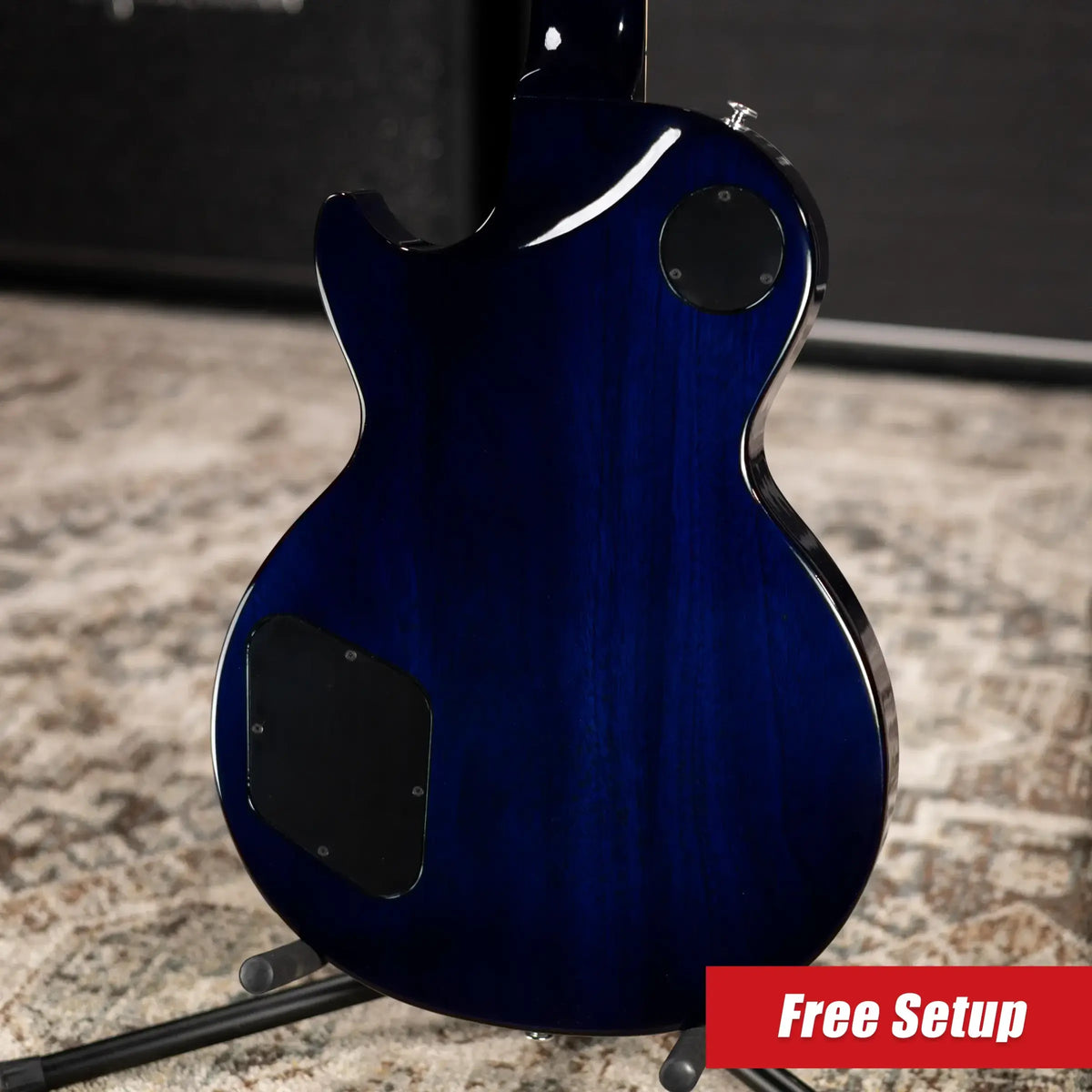
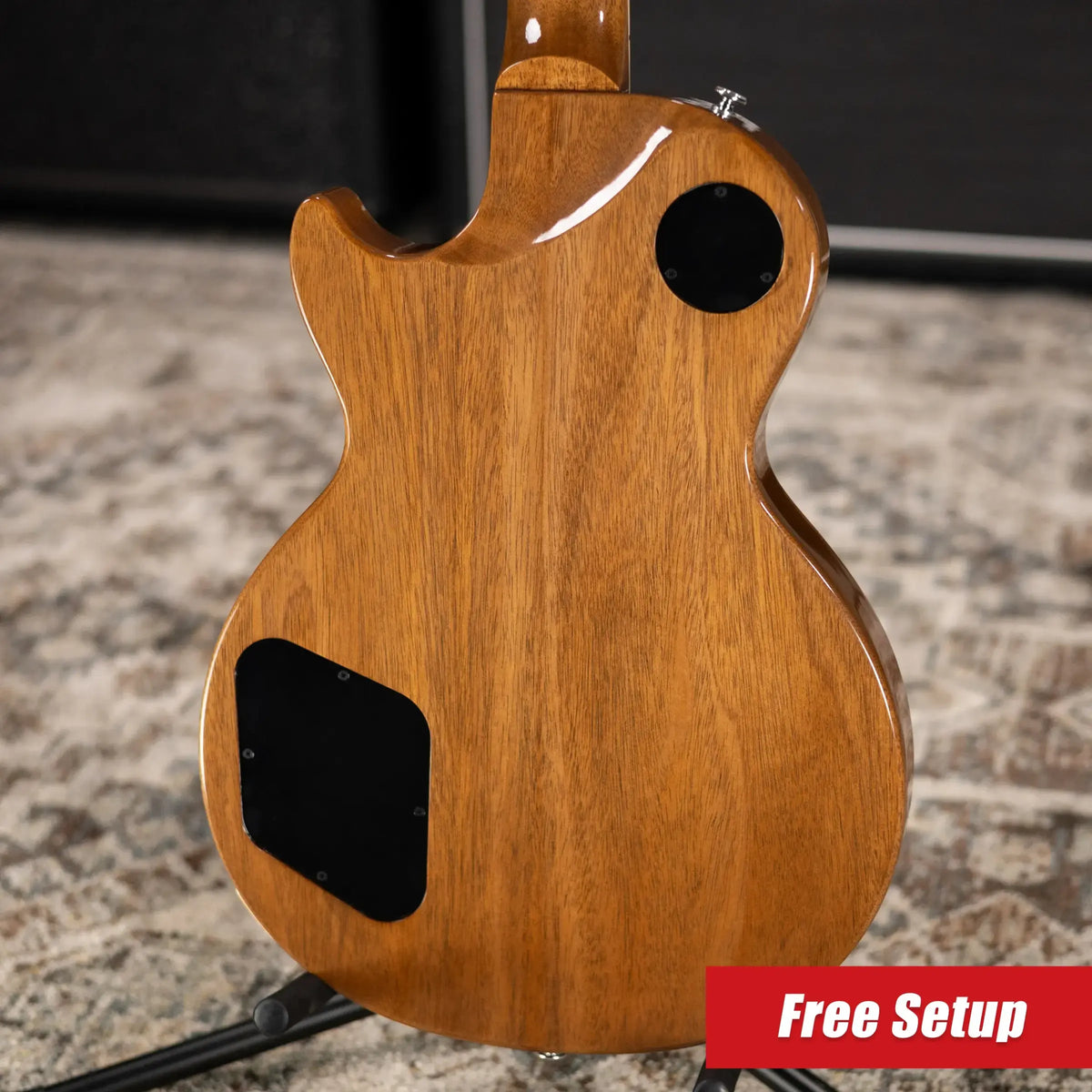
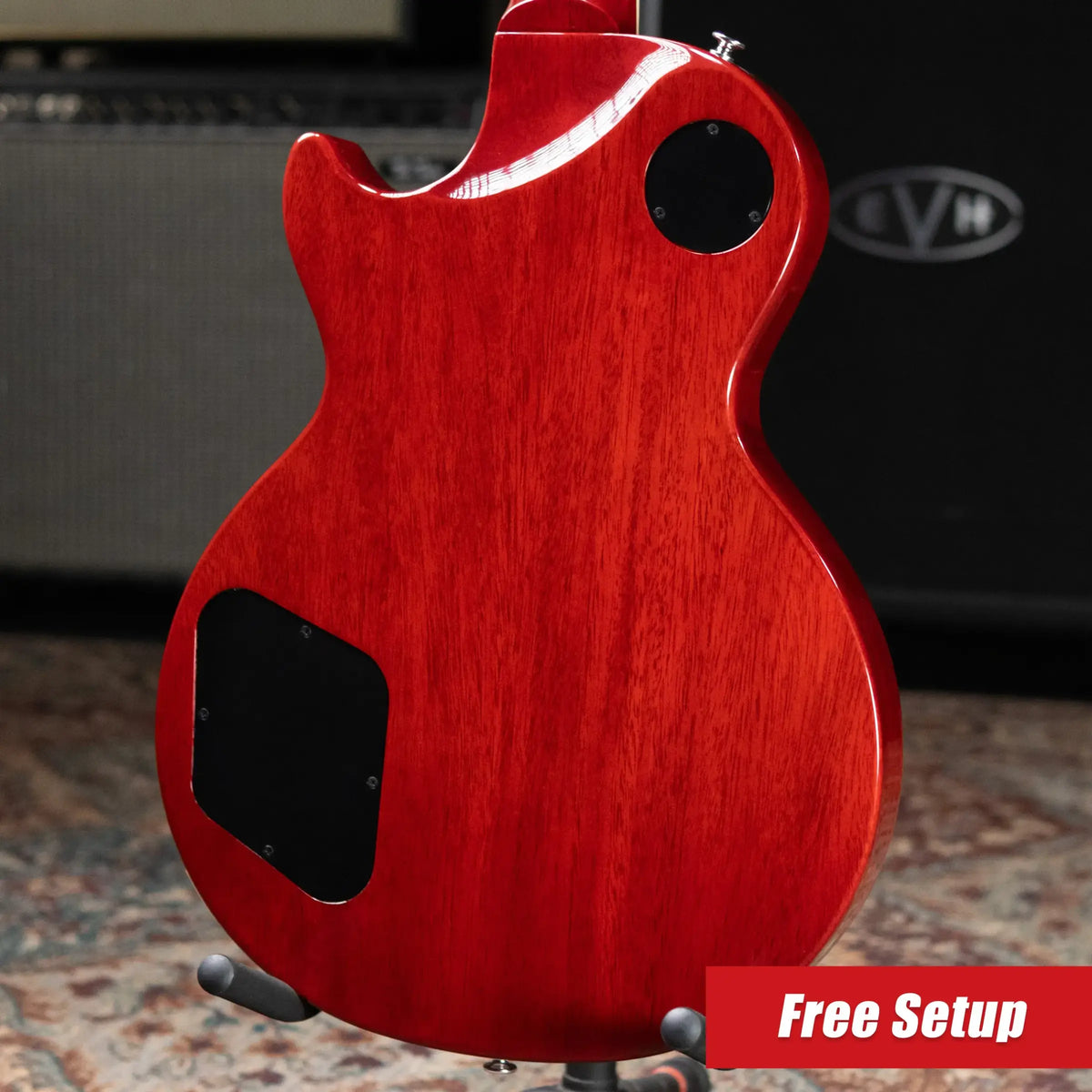
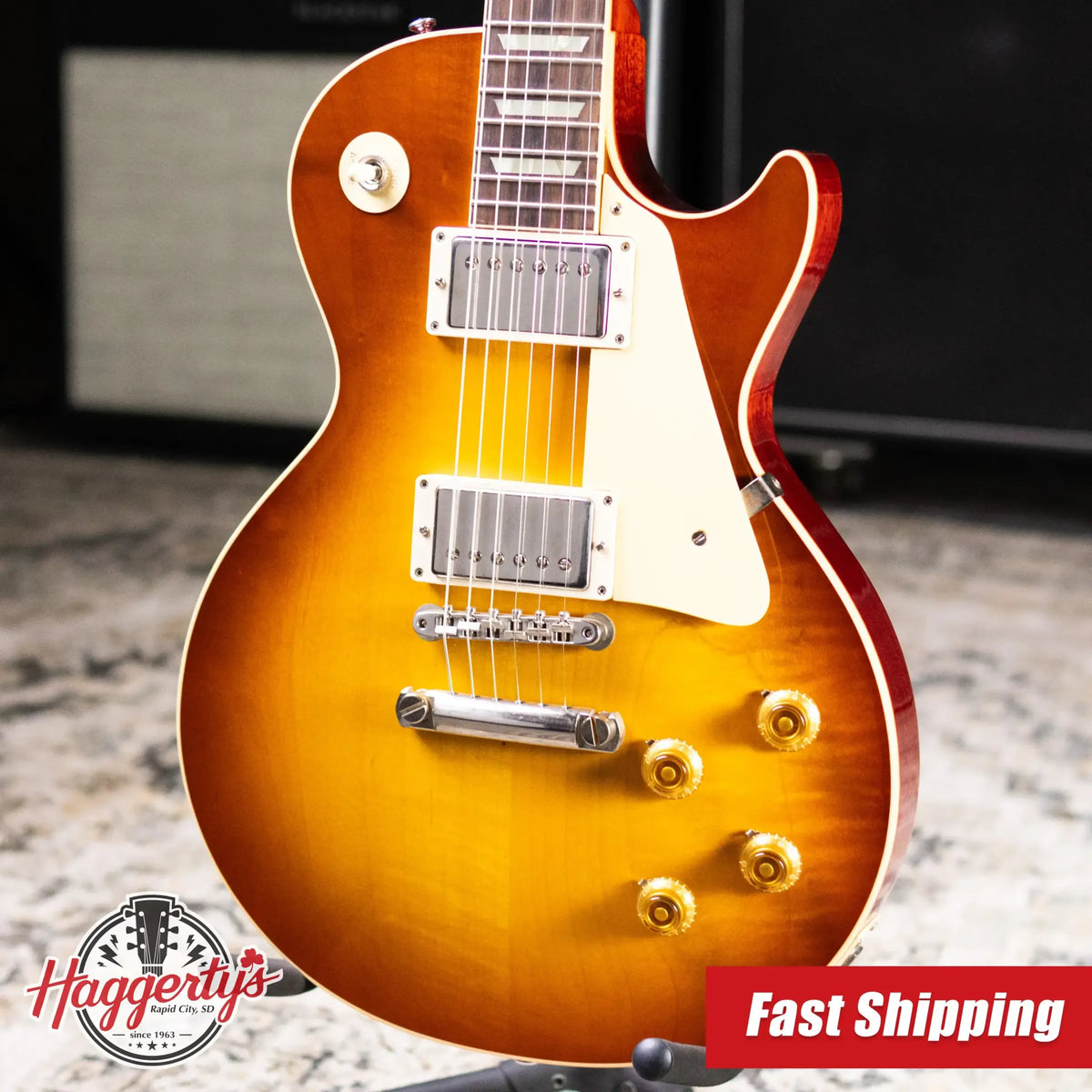
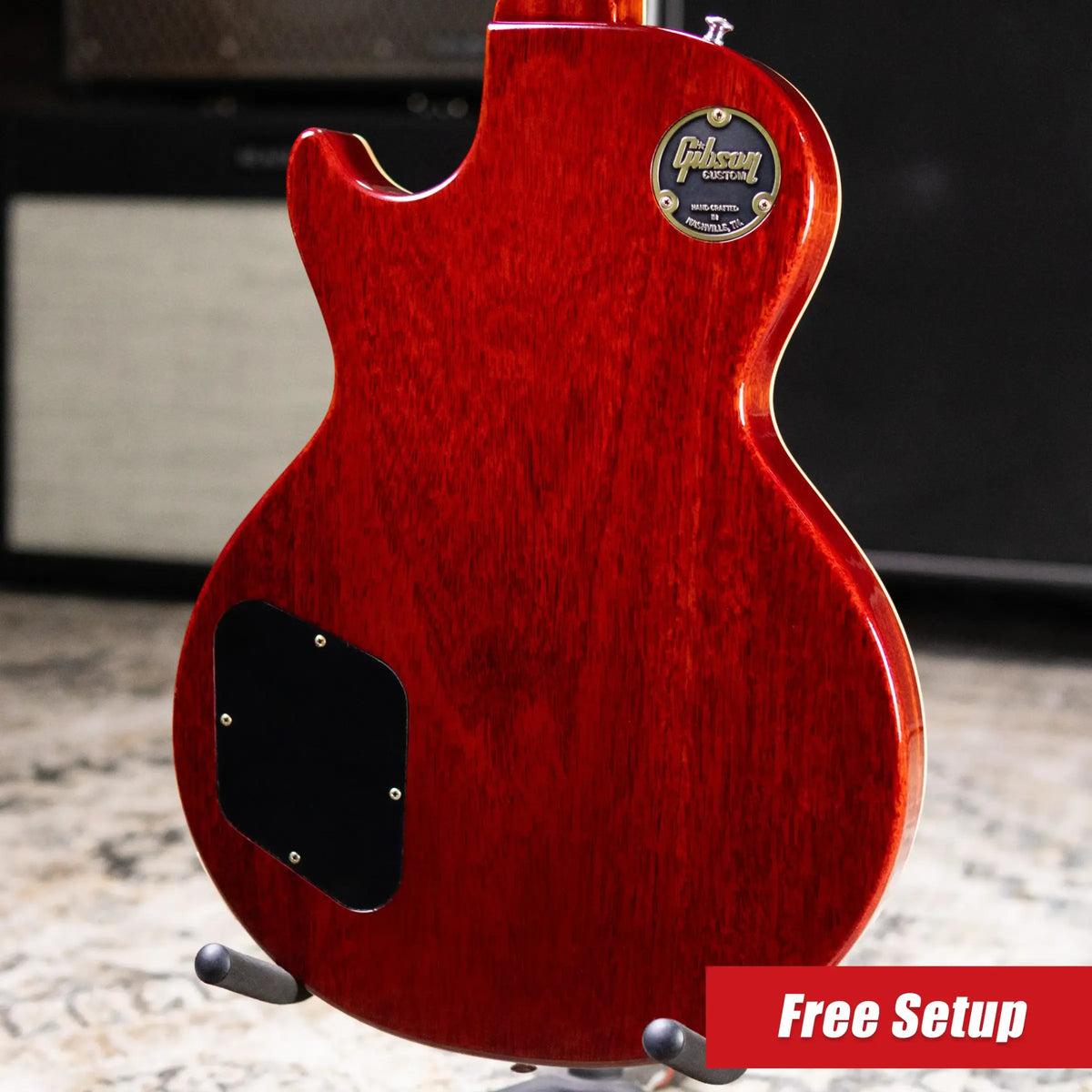
Solid mahogany body with carved maple top, set neck construction, 24.75” scale length, dual humbuckers, and nitrocellulose lacquer finish.
Why It Matters Historically:
Introduced in the late 1950s, the Les Paul became the blueprint for high-performance solid-body guitars. Its combination of sustain and harmonic richness shaped the sound of arena rock and remains one of the most recorded guitar tones in history.
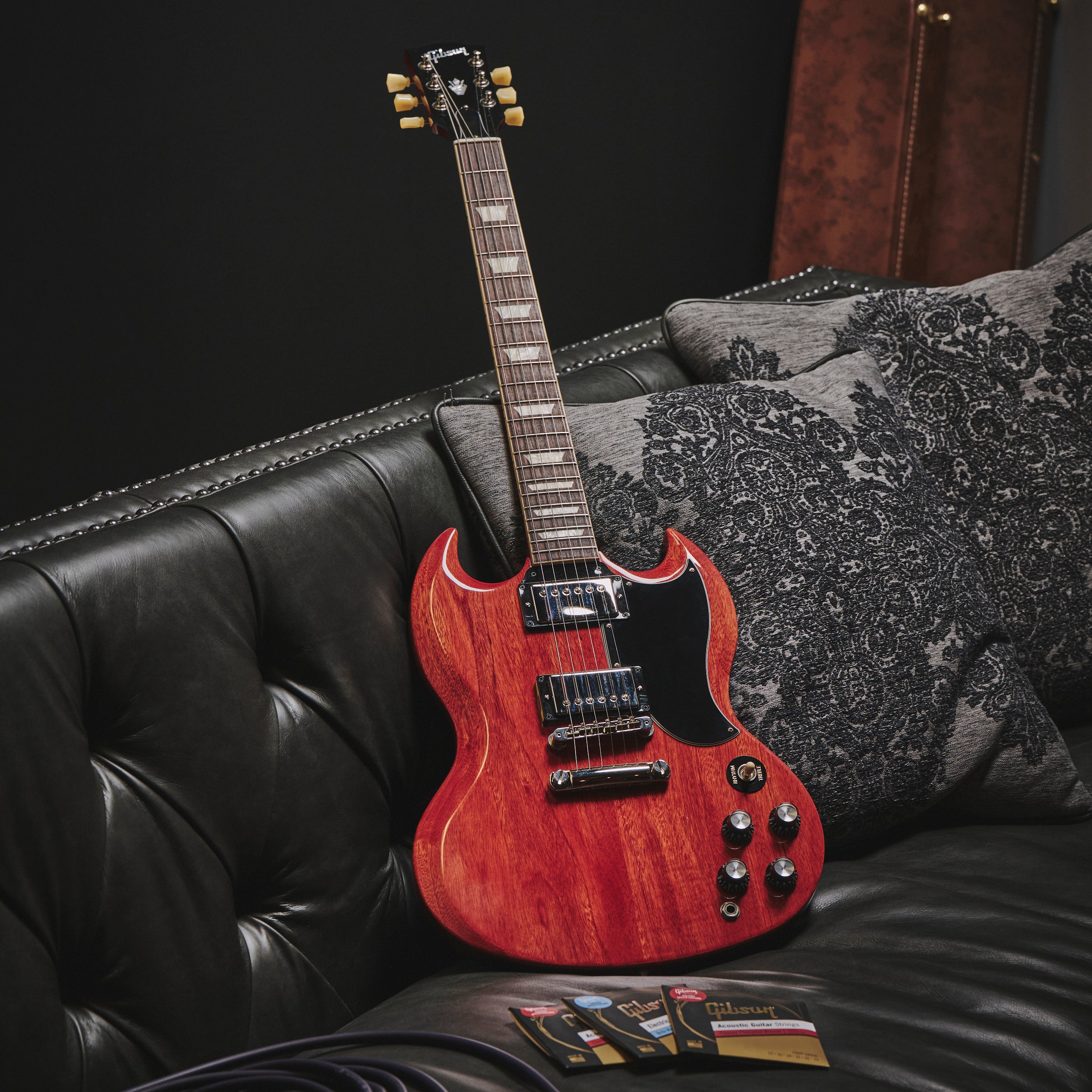
SG Standard
Tone Profile:
Punchy mids, biting attack, and a raw, aggressive character with impressive sustain despite its lighter weight.
Ideal Genres:
Hard rock, metal, punk, garage rock, and blues-rock.
Construction Highlights:
Thin mahogany body, double cutaway design for upper-fret access, set neck, dual humbuckers, and lightweight balance.
Why It Matters Historically:
Originally introduced as a redesign of the Les Paul in 1961, the SG quickly developed its own identity. Its sharp horns and fast-playing neck made it a favorite for high-energy performers and helped define the sound of British and American rock in the late ’60s and beyond.
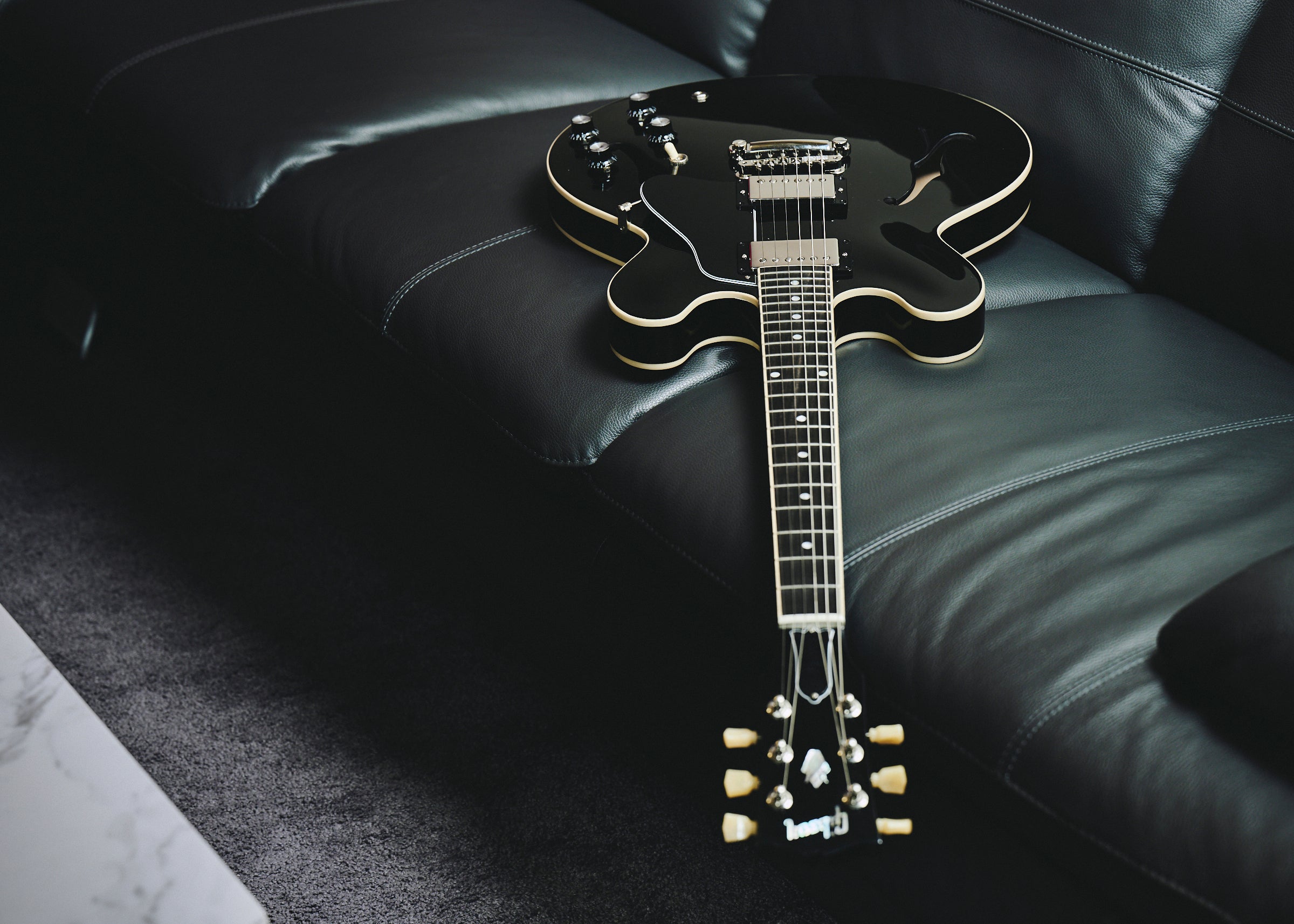
ES-335
Tone Profile:
Warm and woody with articulate highs and airy resonance. Blends the sustain of a solid body with the openness of a hollowbody.
Ideal Genres:
Blues, jazz, classic rock, R&B, indie, and session work.
Construction Highlights:
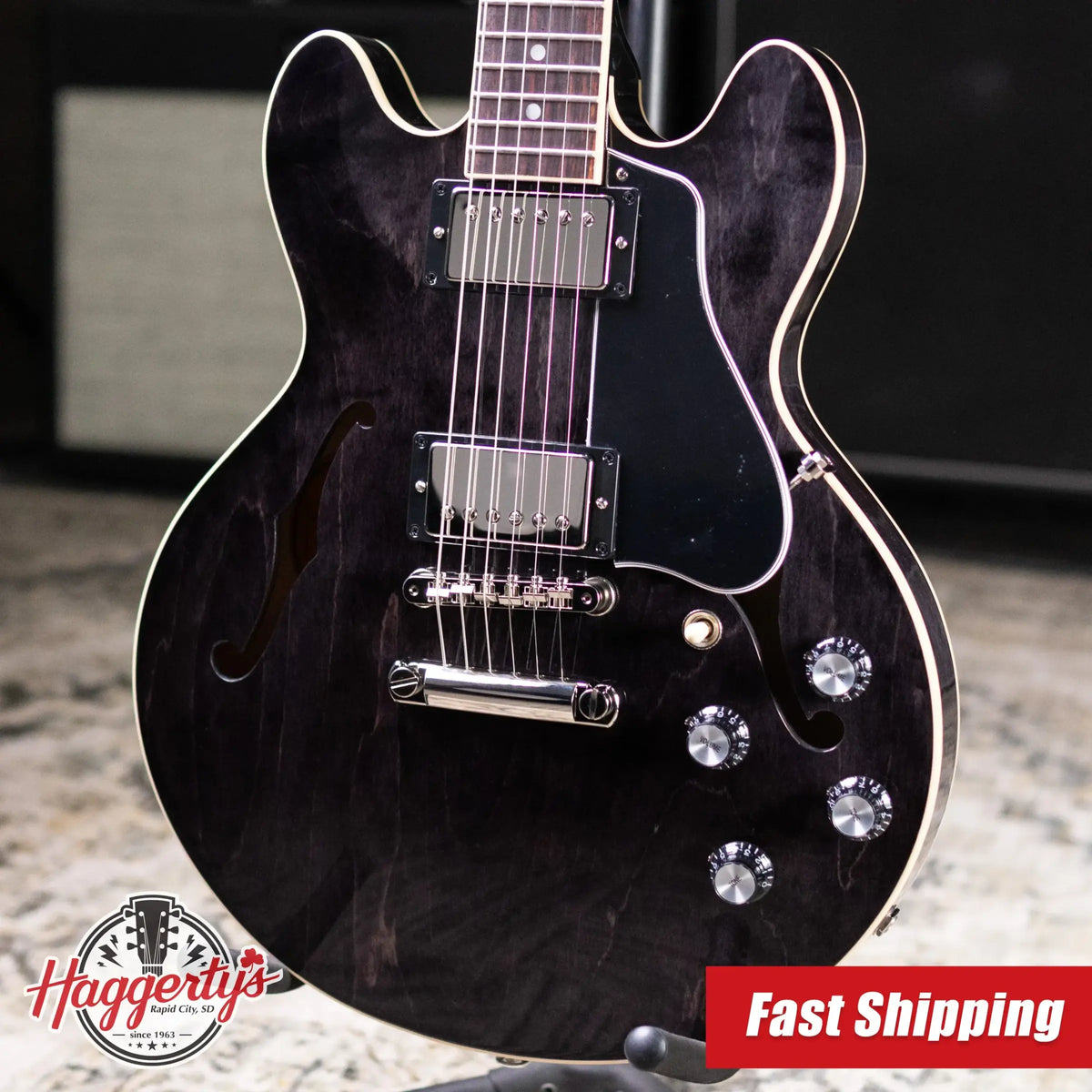
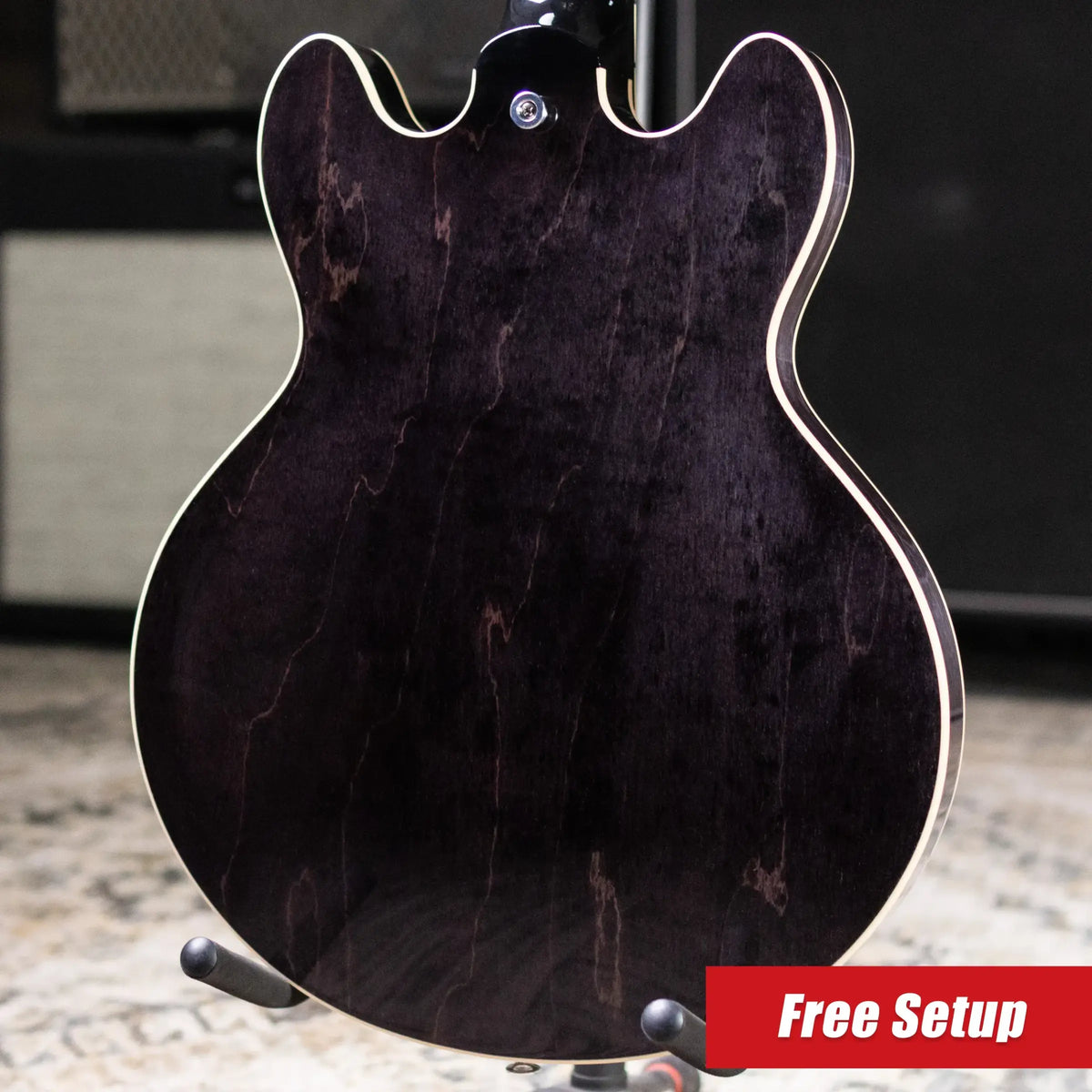
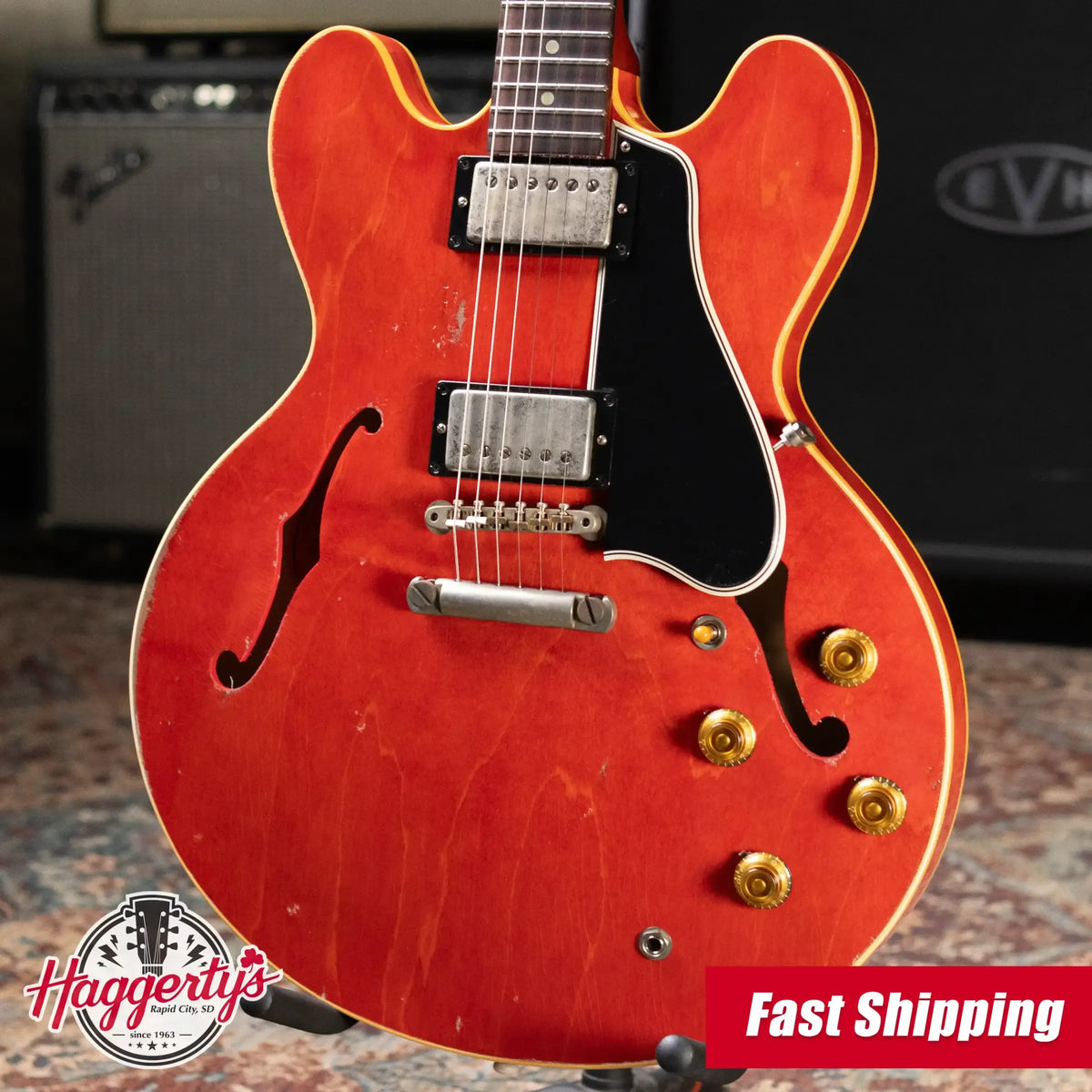
Semi-hollow maple body with a solid center block, set neck, dual humbuckers, and elegant double-cutaway design.
Why It Matters Historically:
Released in 1958, the ES-335 was a groundbreaking innovation — solving feedback issues of hollowbody guitars while preserving their tonal character. It became a studio staple and remains one of the most versatile electric guitars ever built.
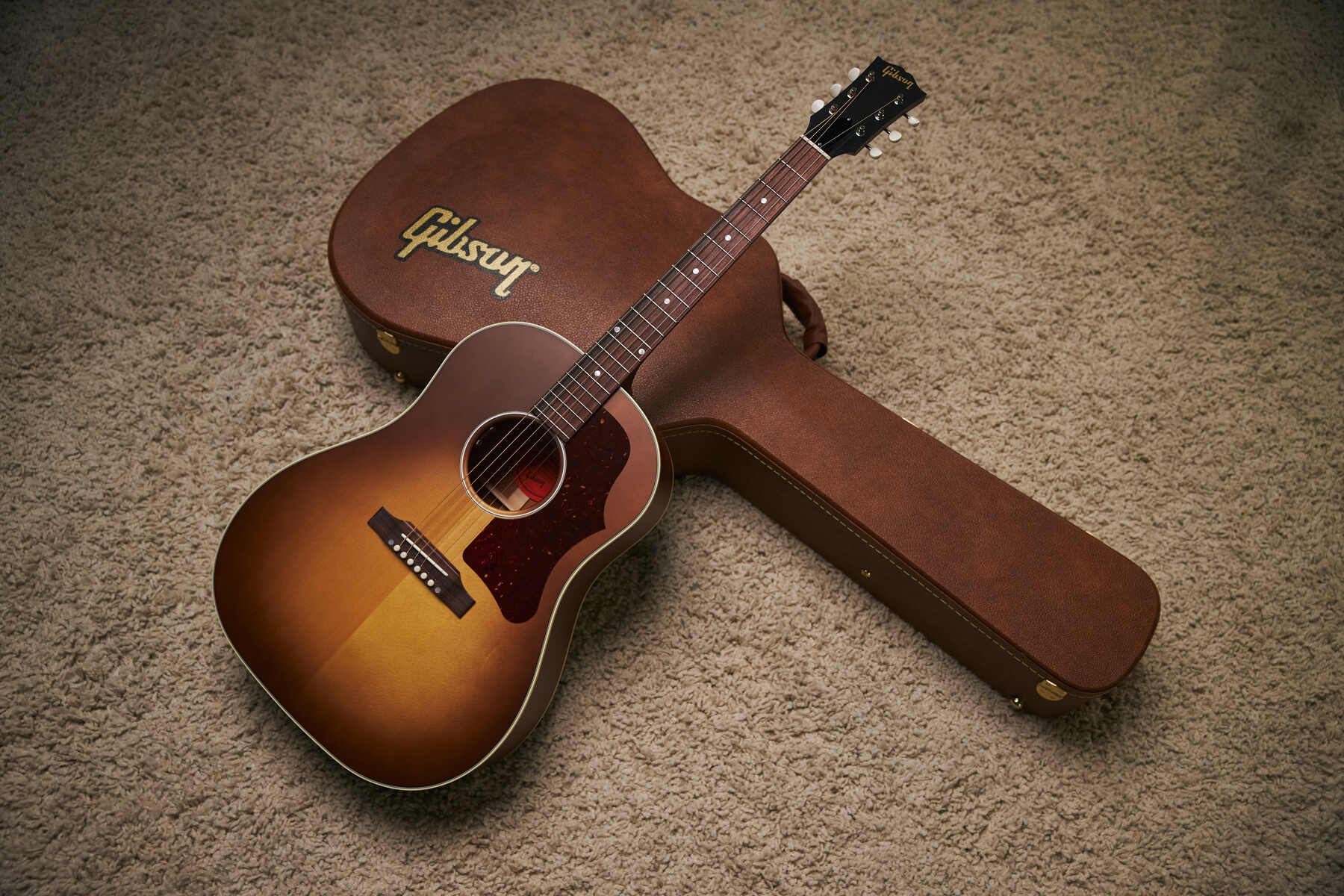
J-45
Tone Profile:
Balanced, warm, and woody with a focused low-end thump and smooth, rounded highs.
Ideal Genres:
Singer-songwriter, folk, country, Americana, and recording applications.
Construction Highlights:
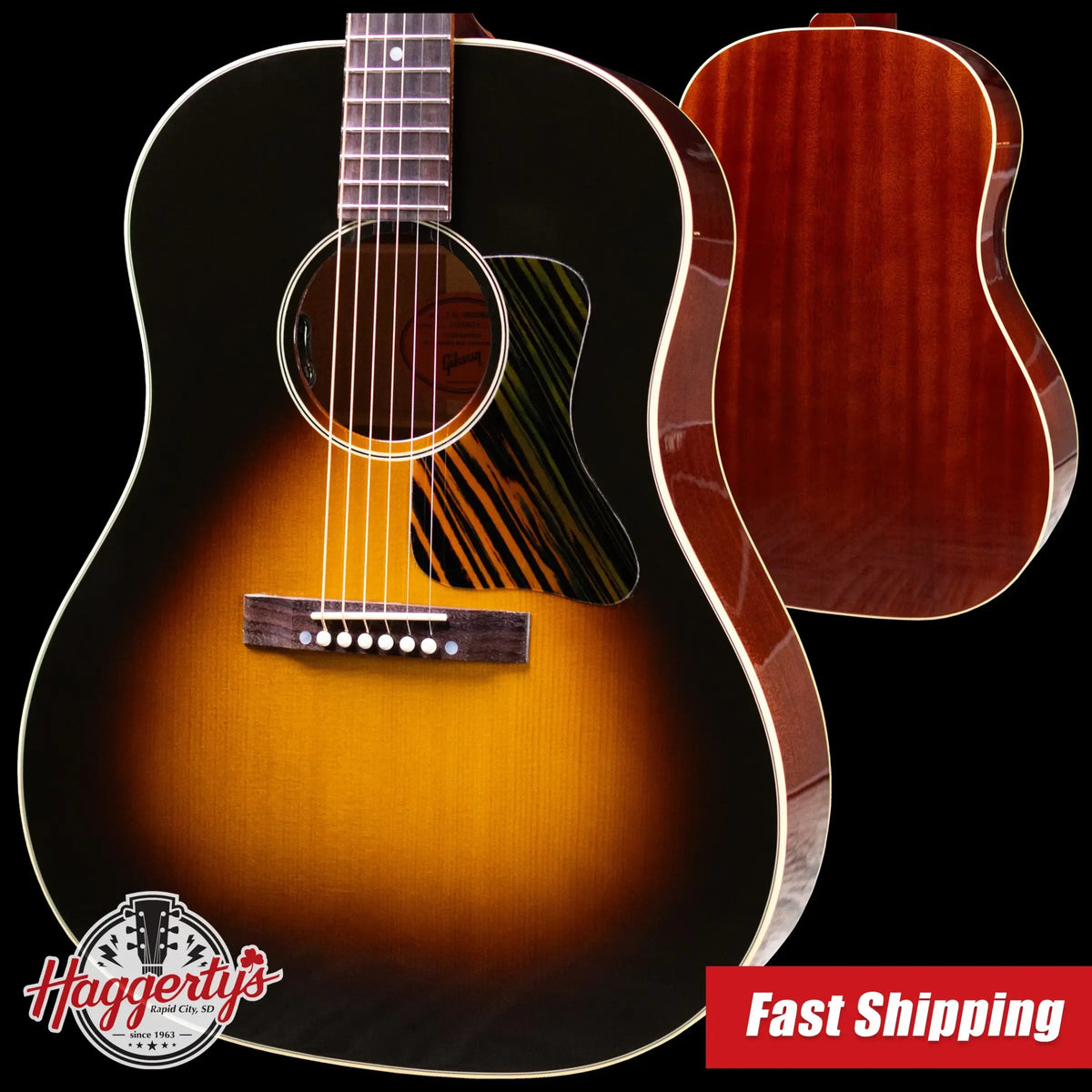
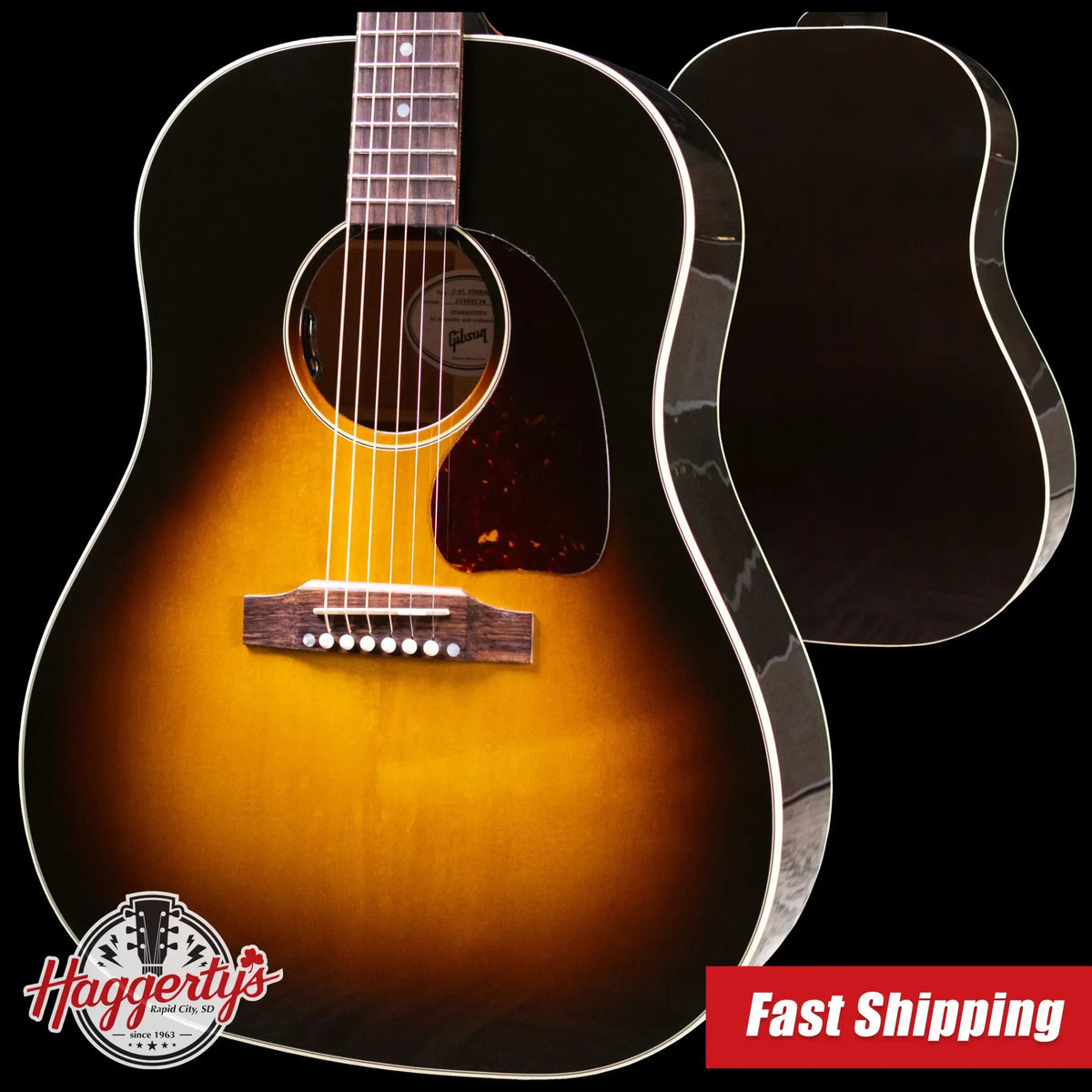
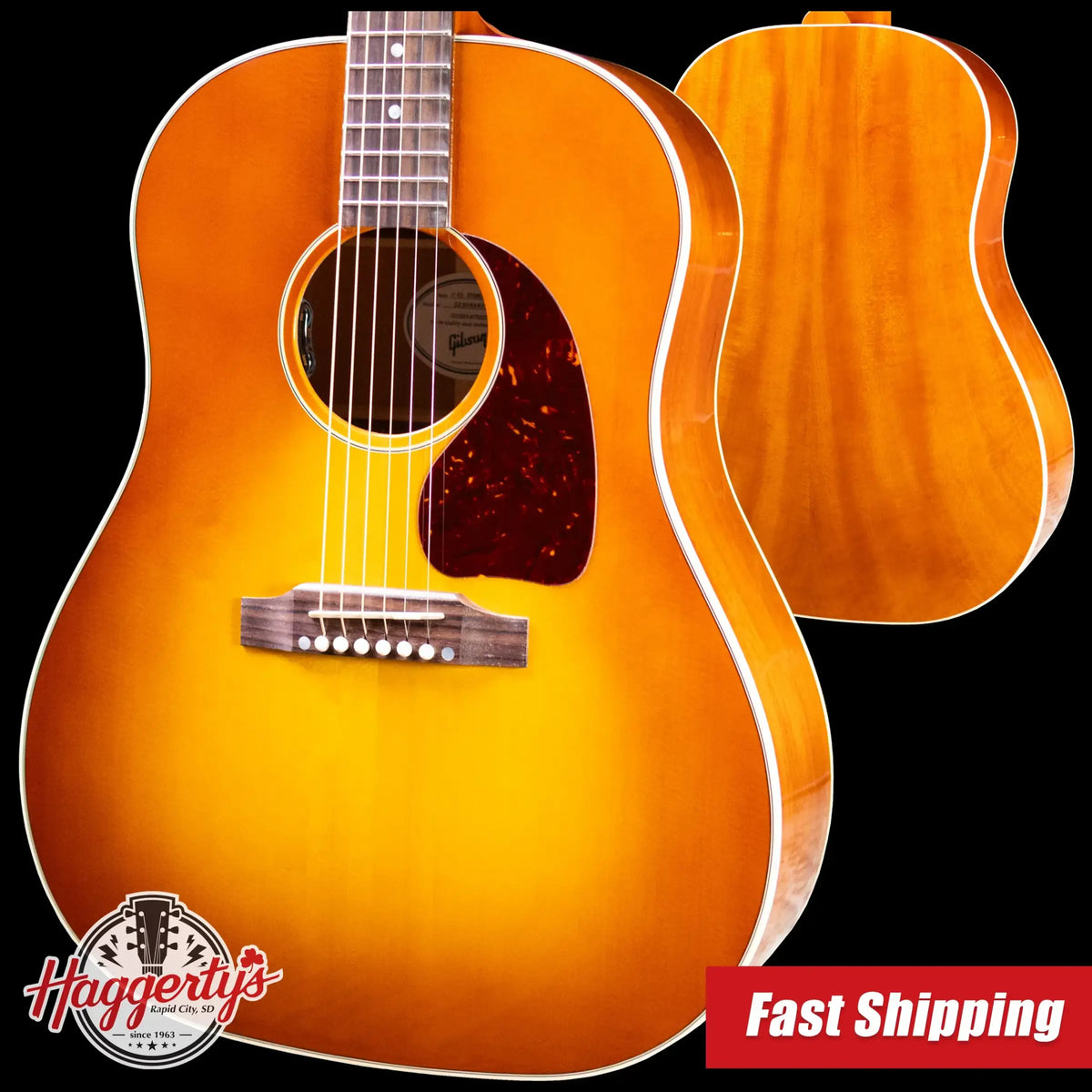
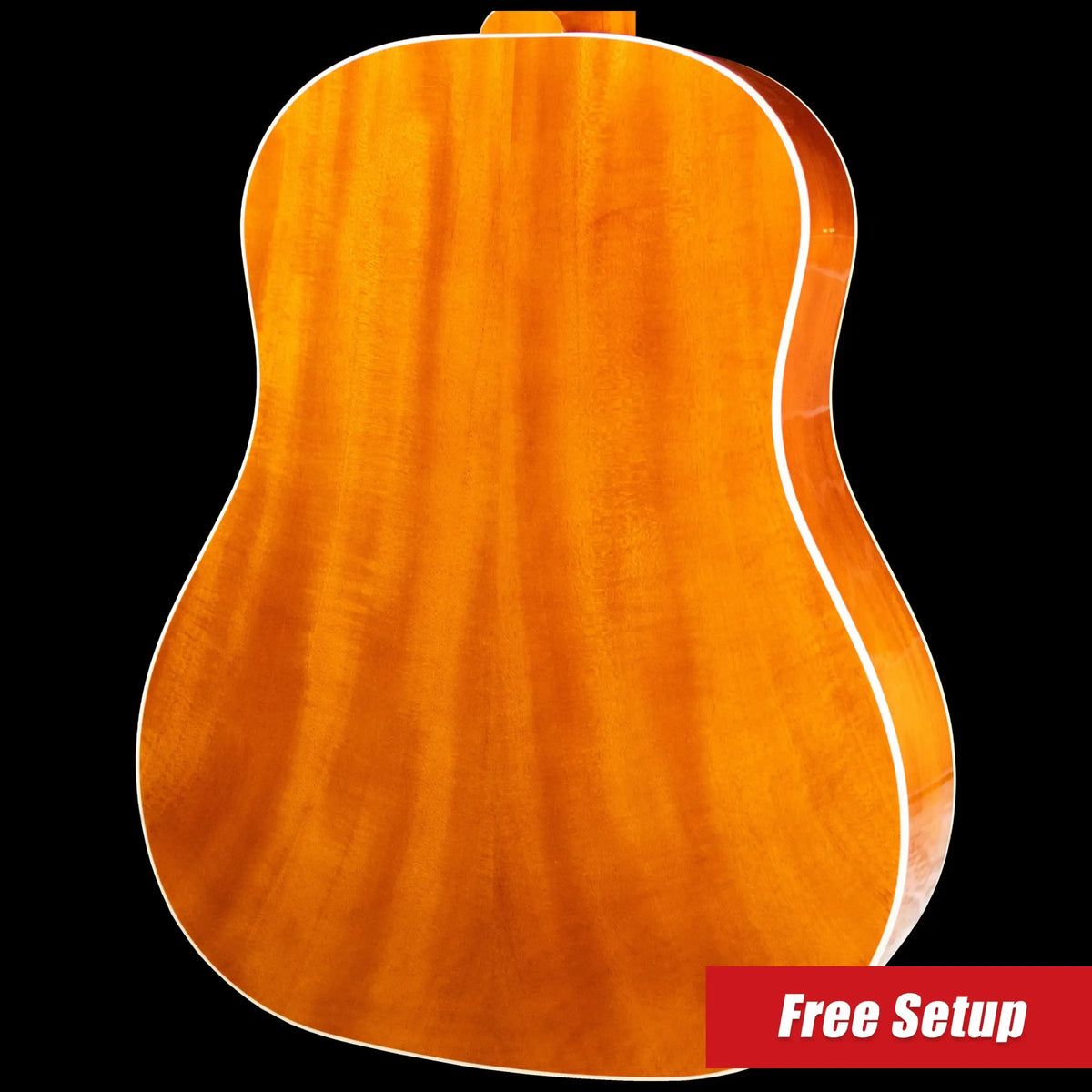
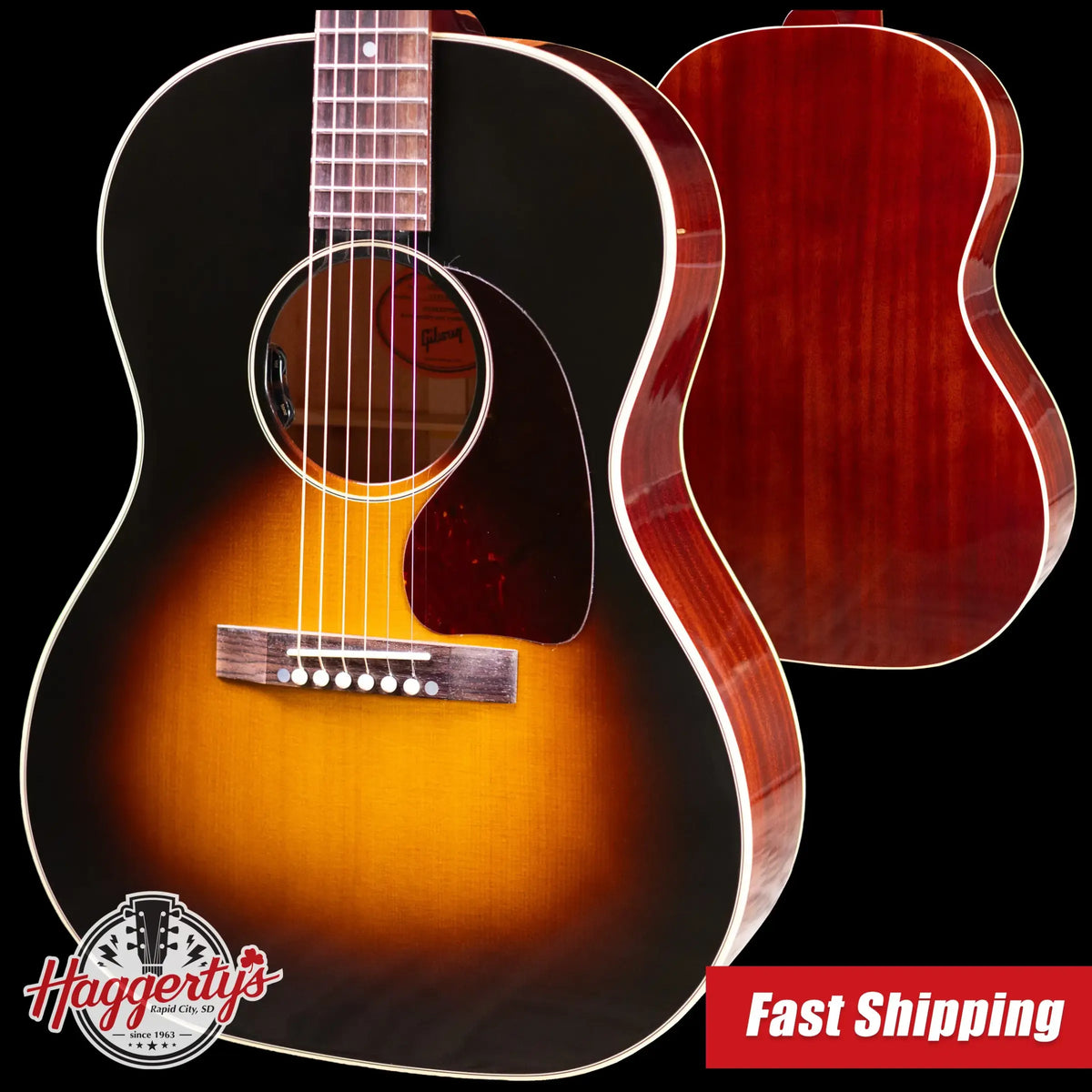
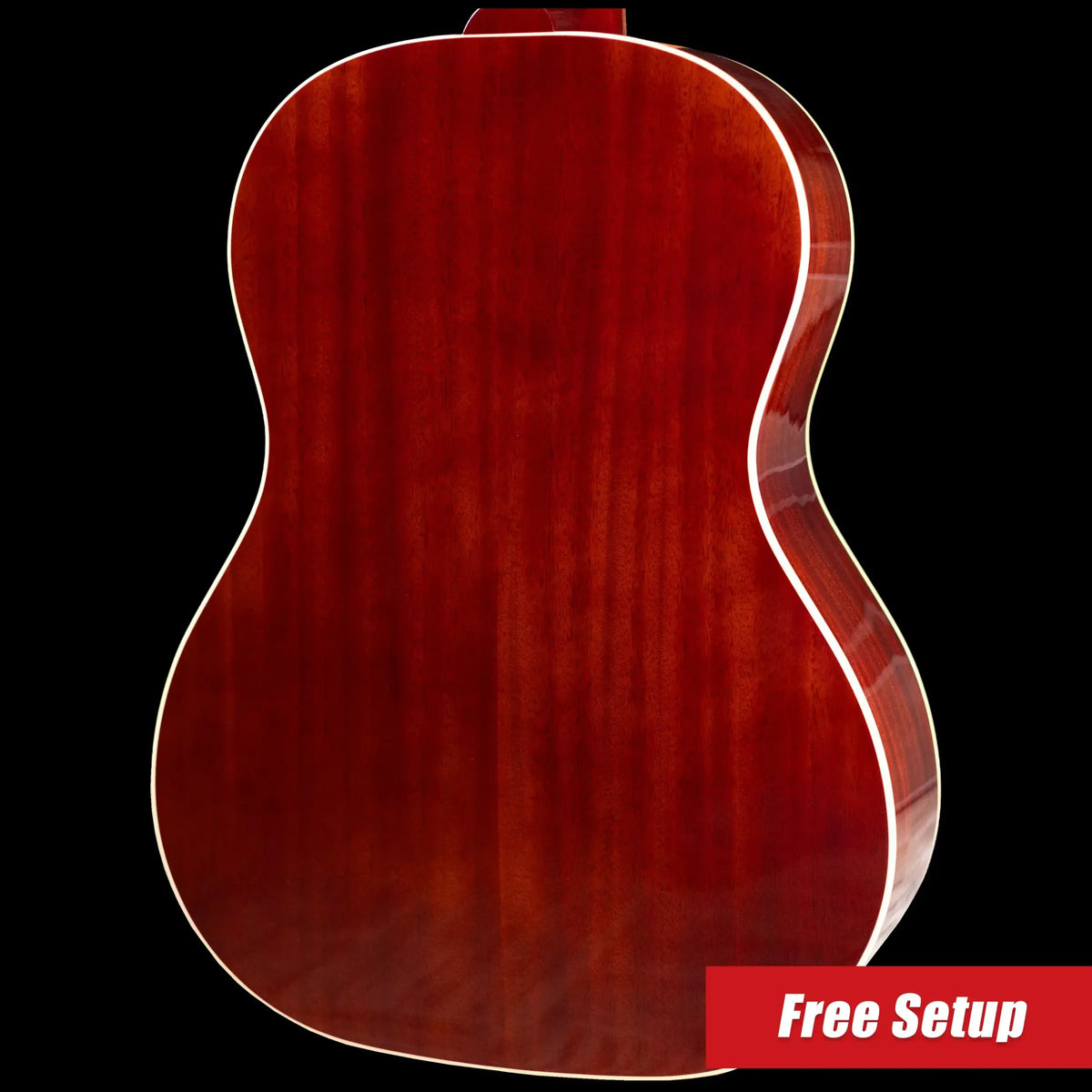
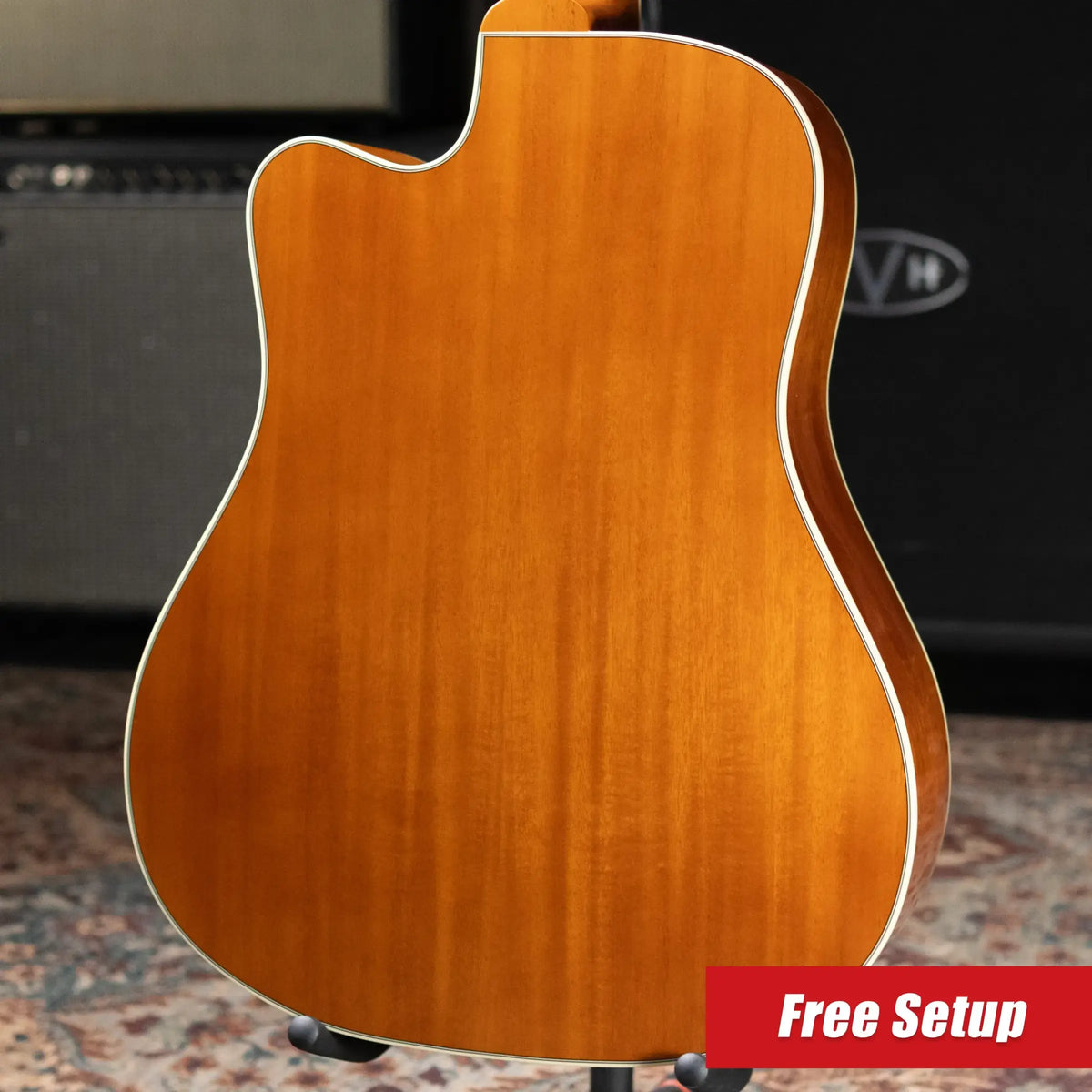
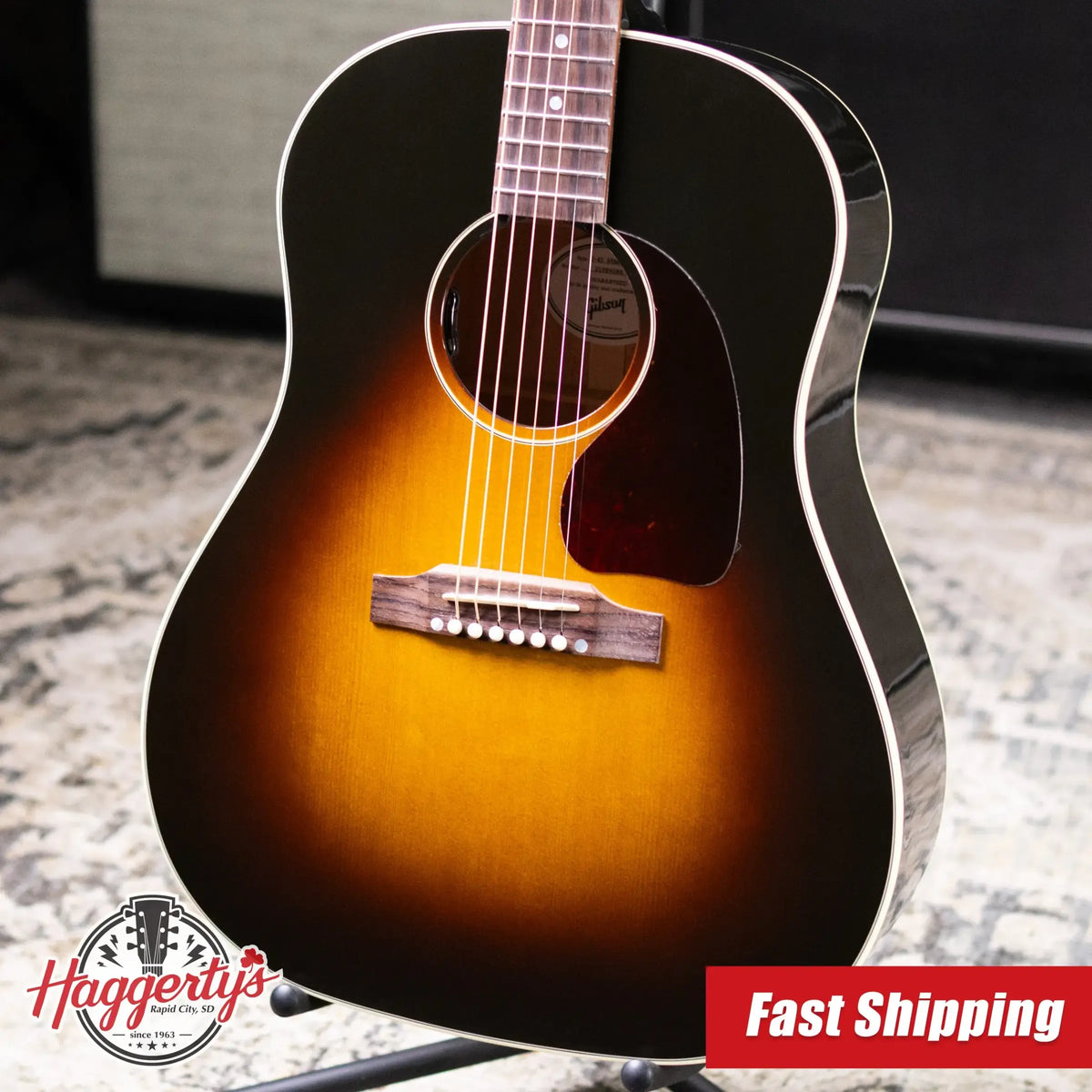
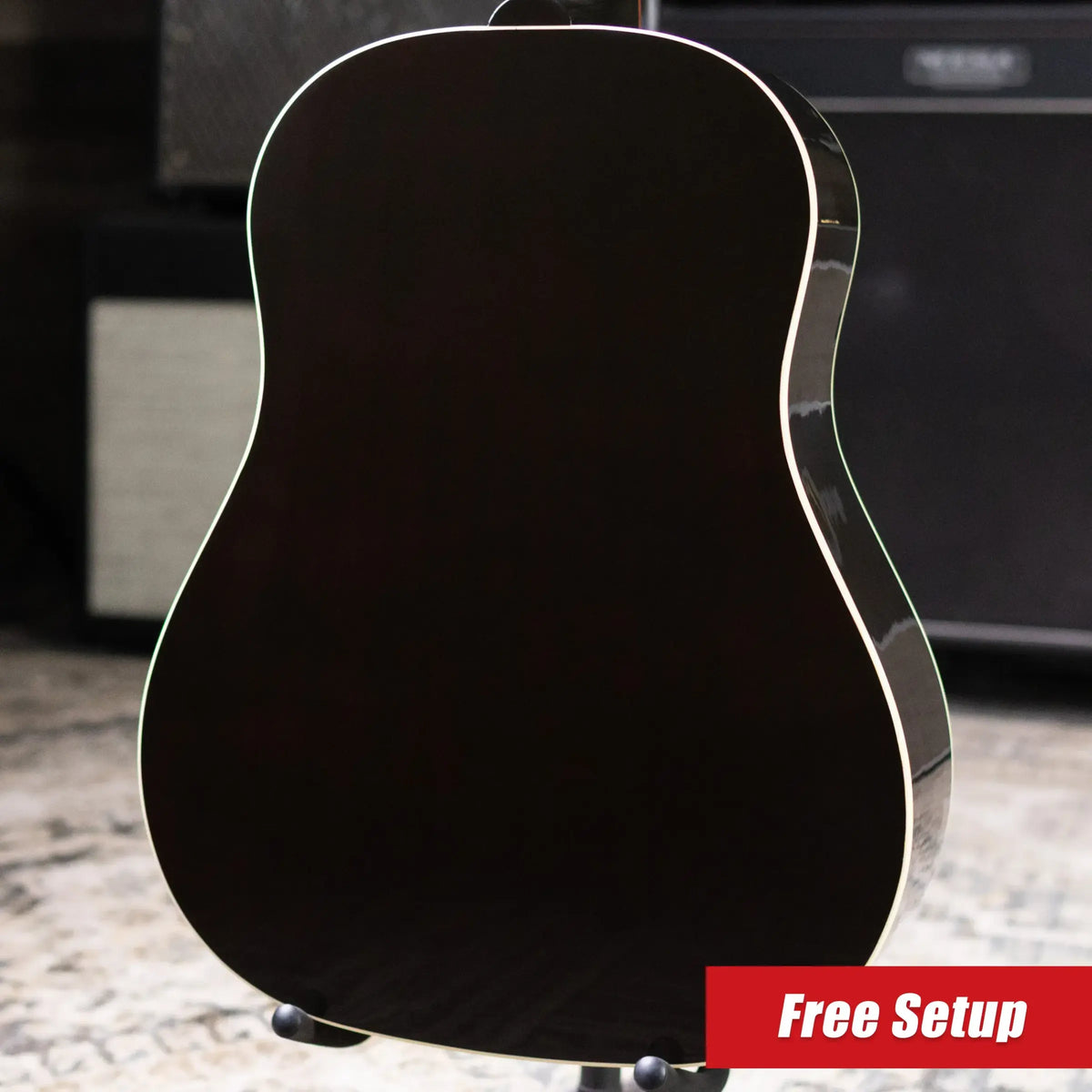
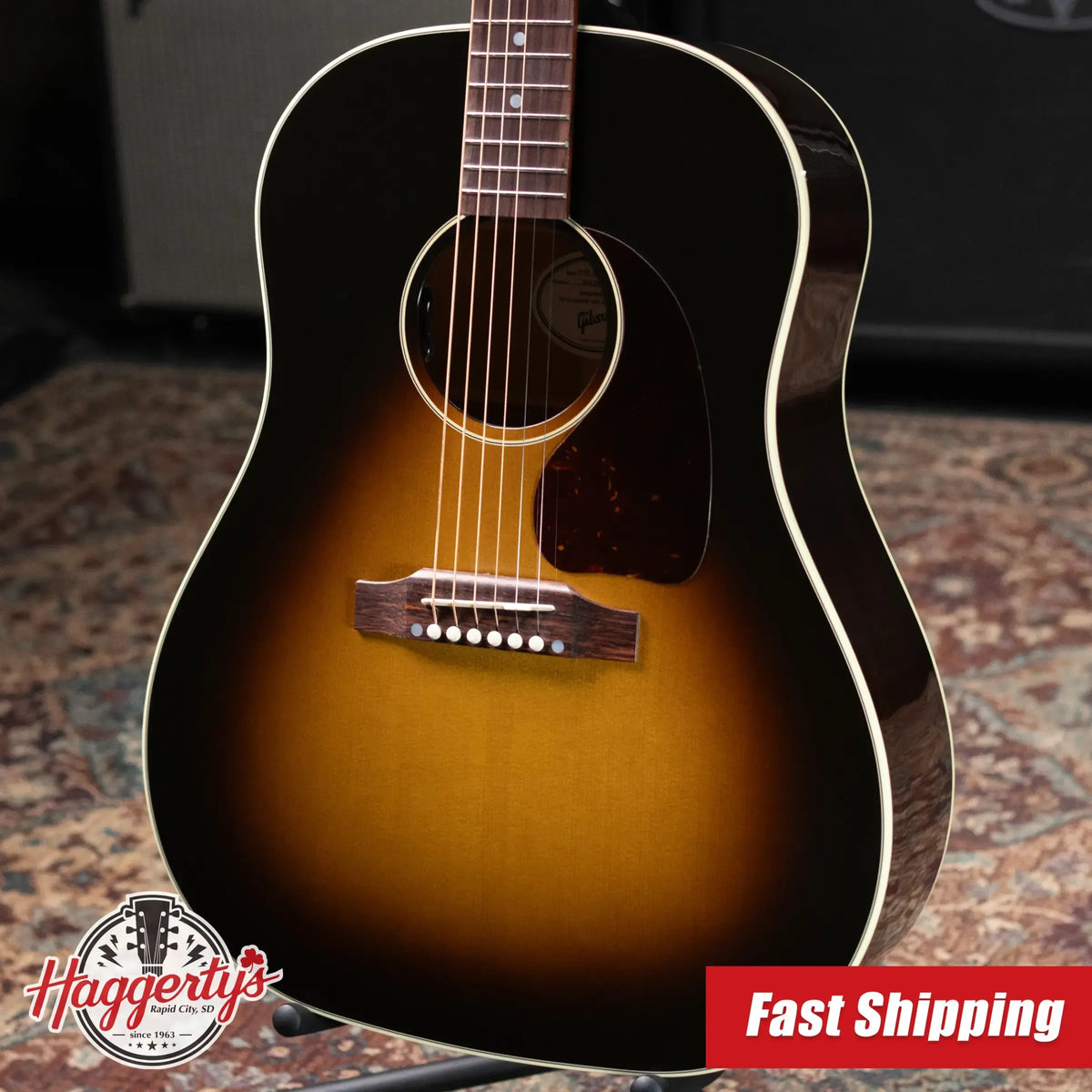
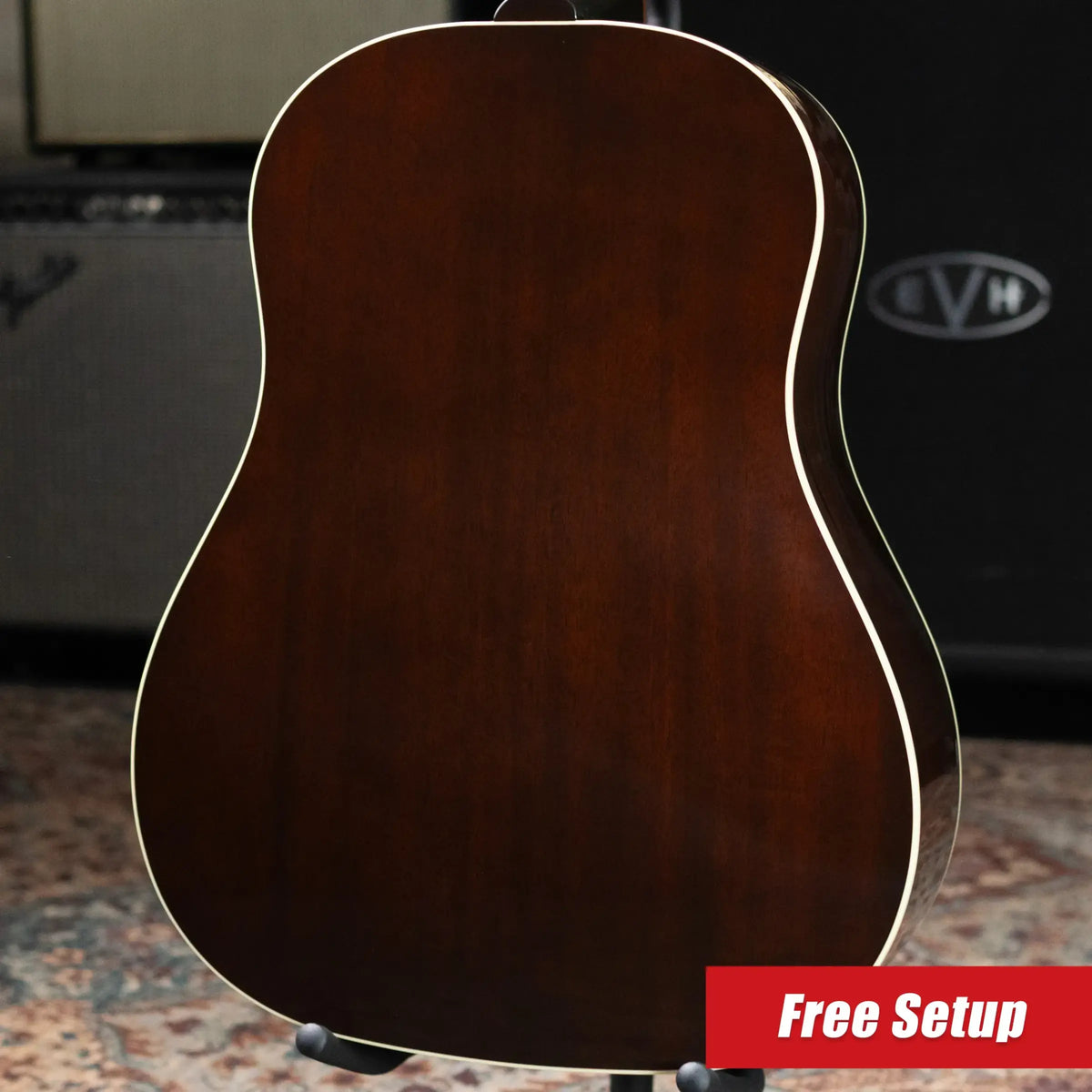
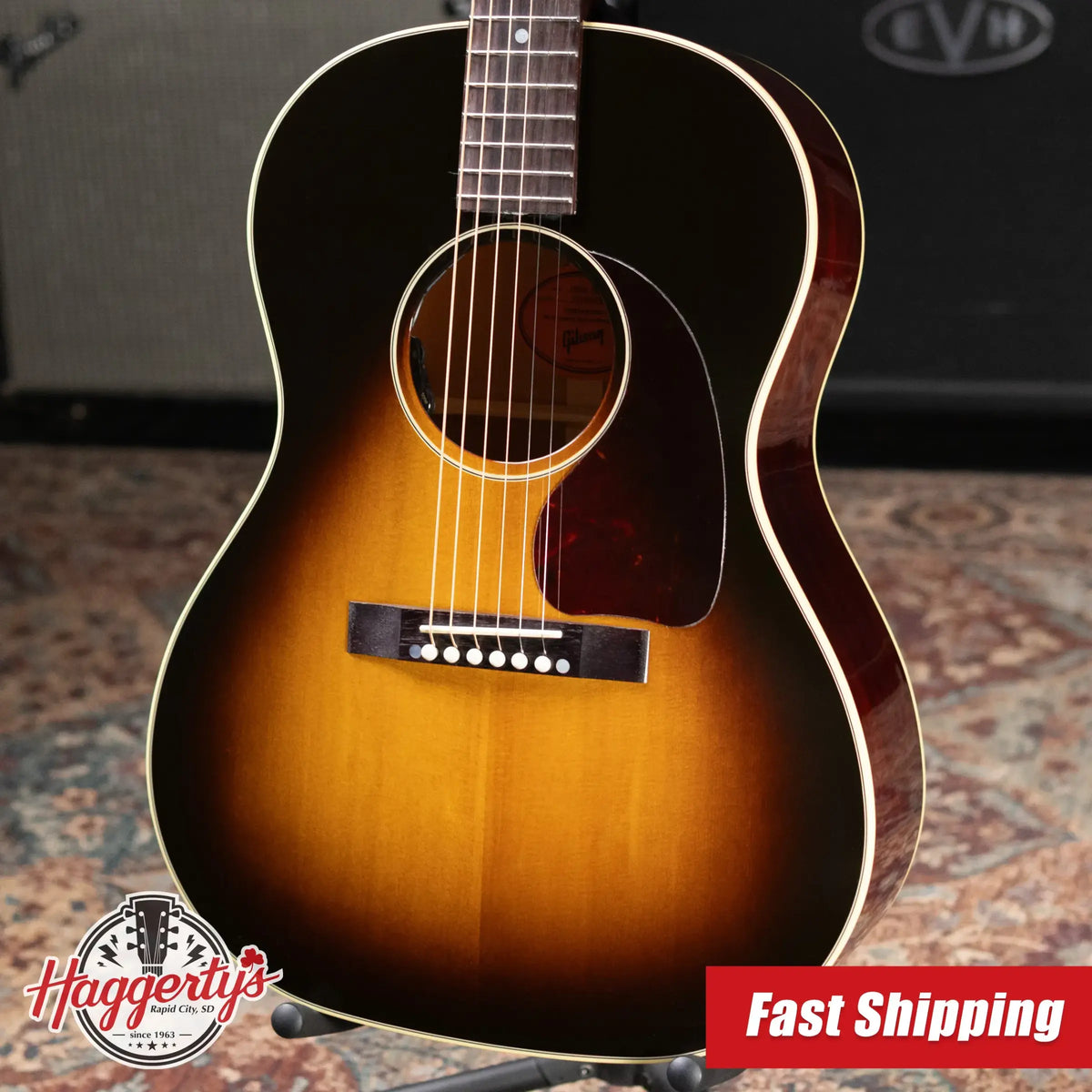
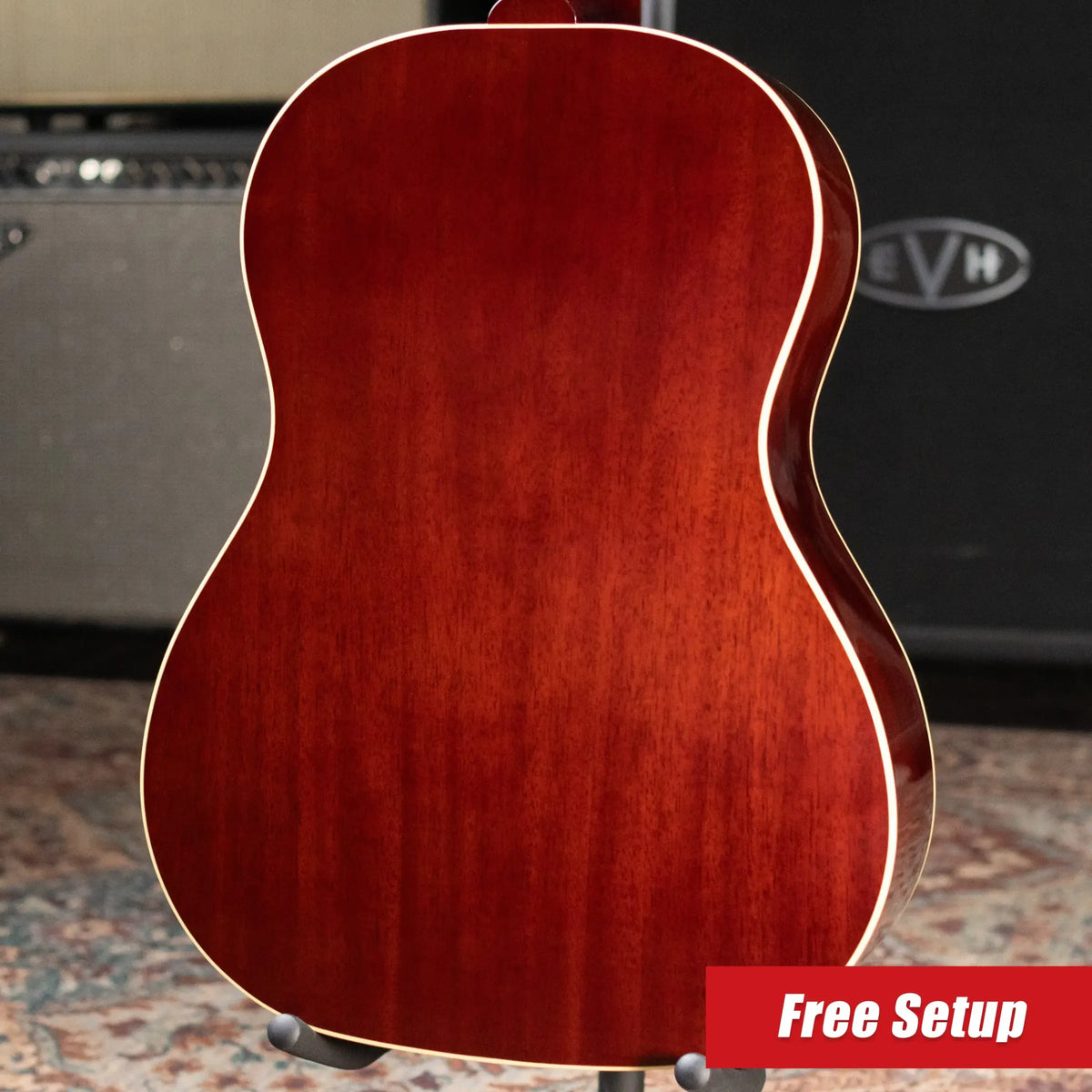
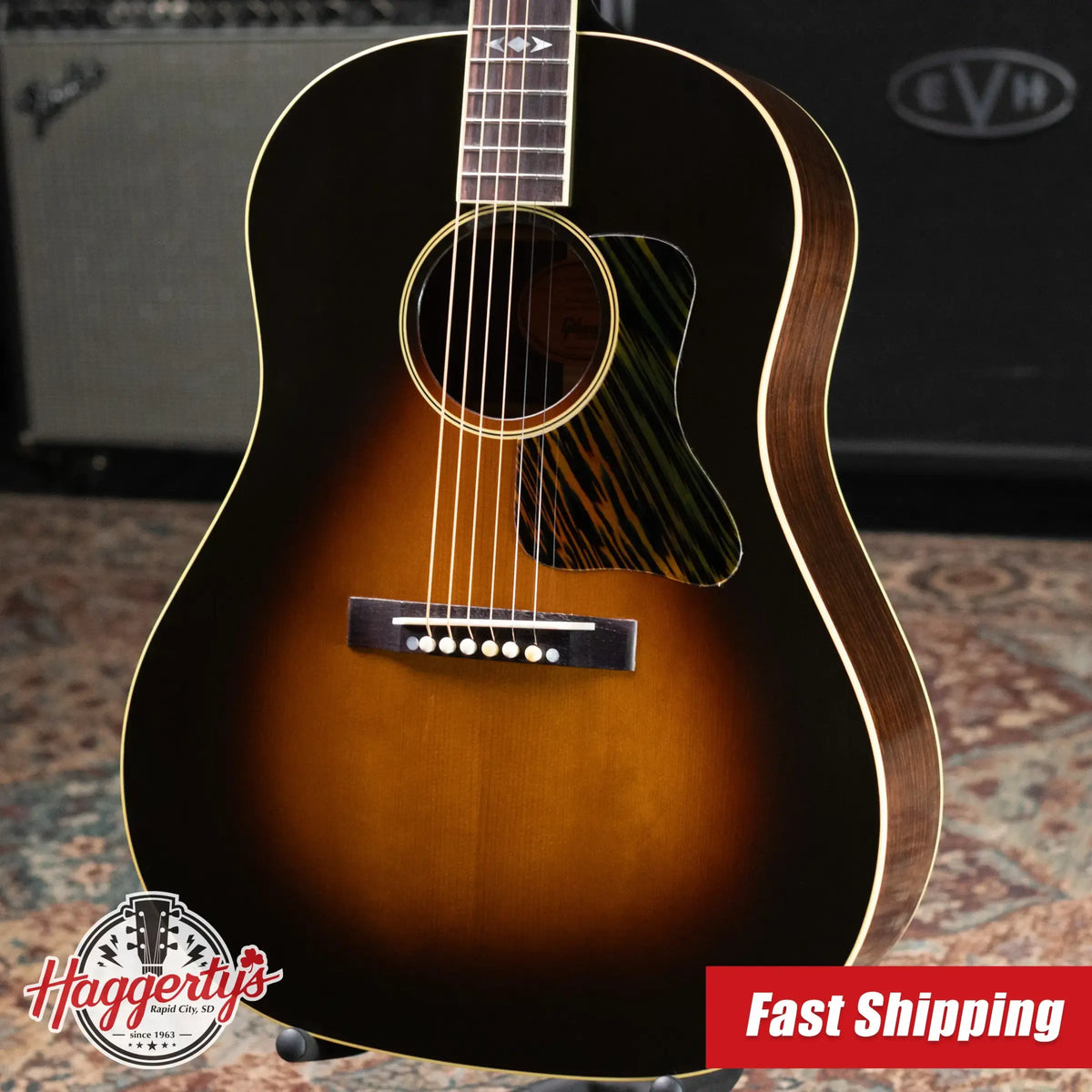
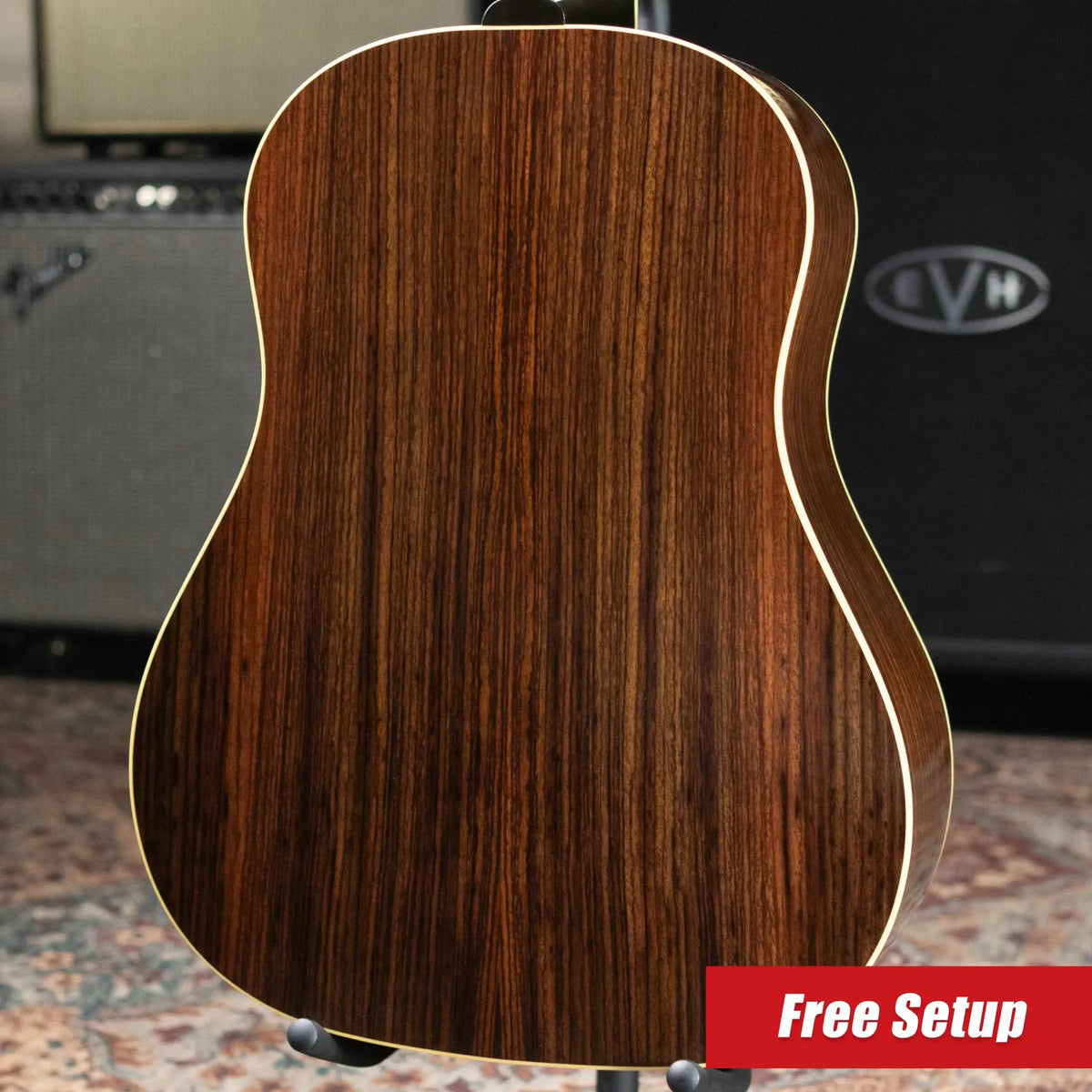
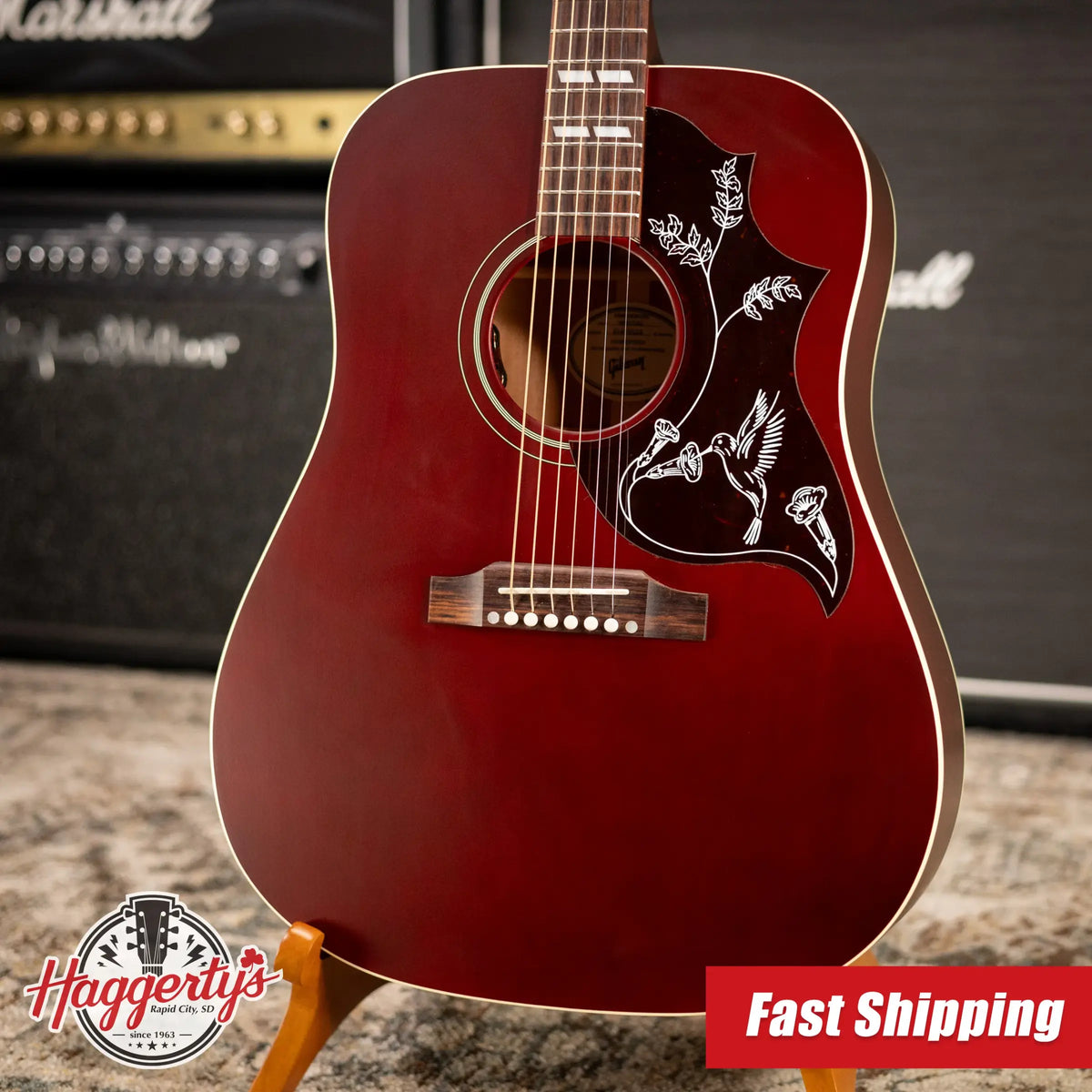
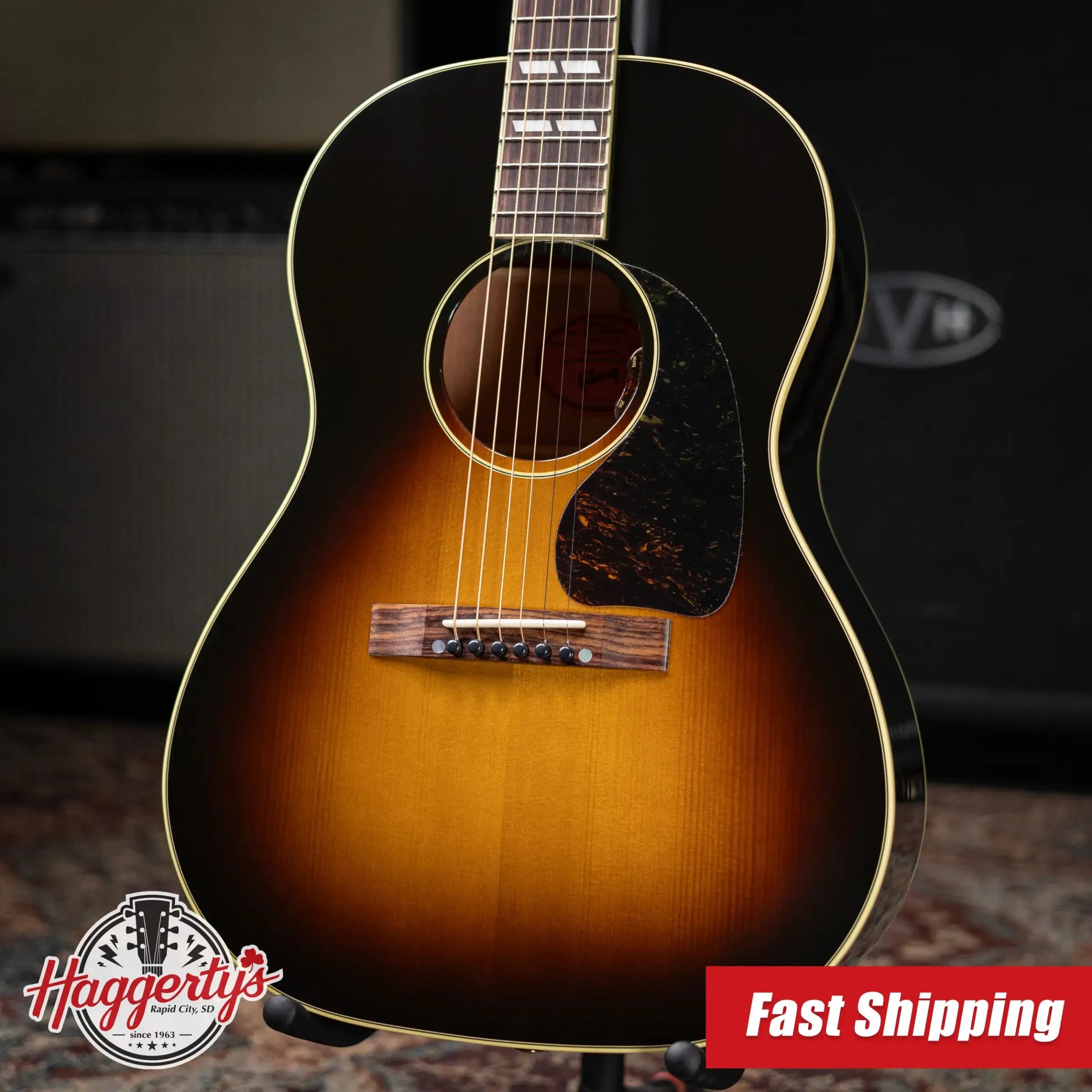
Slope-shoulder dreadnought body, mahogany back and sides, spruce top, short scale length, nitrocellulose finish.
Why It Matters Historically:
Introduced in 1942, the J-45 earned its nickname as “The Workhorse” for good reason. Its dependable tone and comfortable feel made it a go-to acoustic for generations of songwriters and touring musicians.
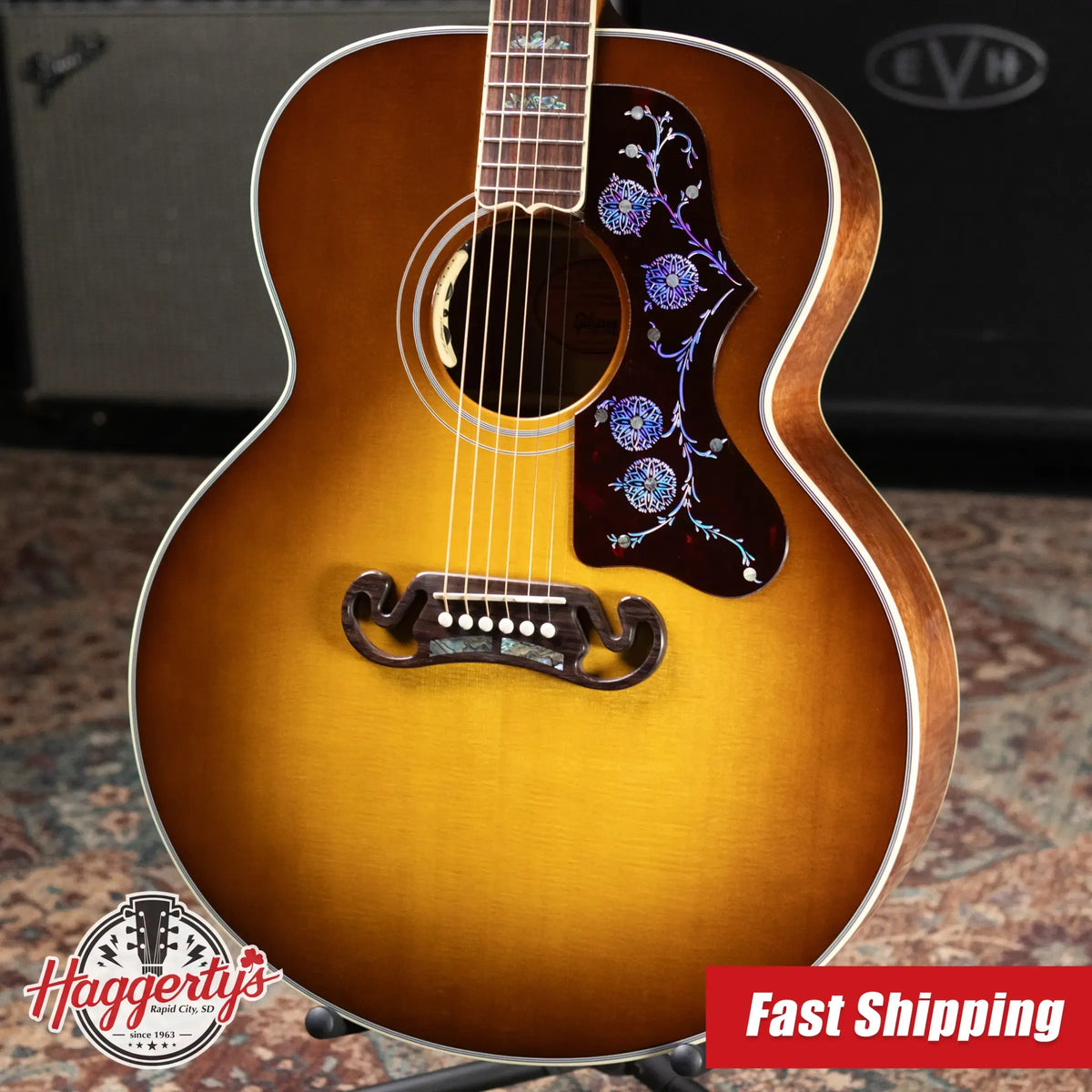
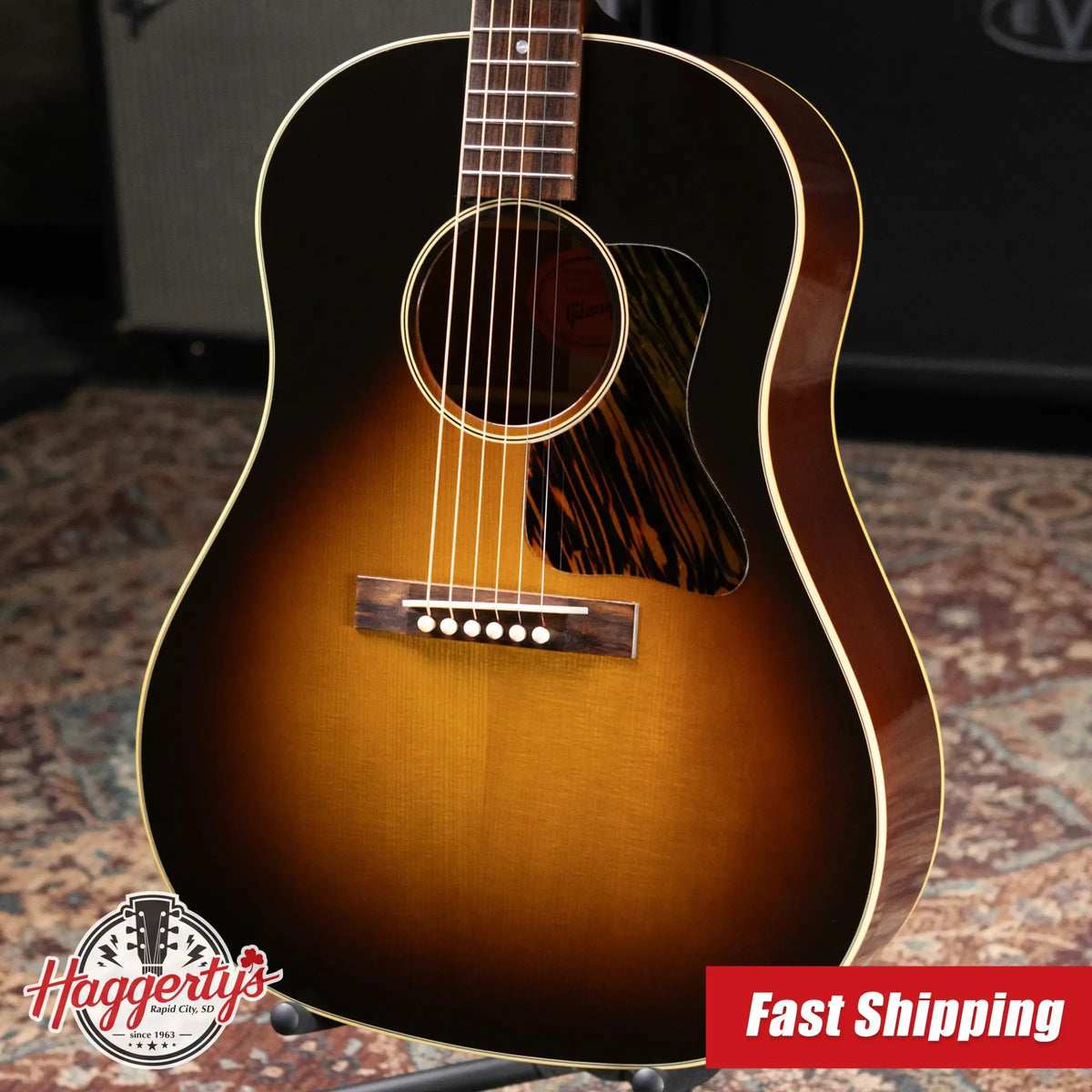
Shop Gibson Acoustic Guitars
Why Gibson?
Nitrocellulose Lacquer Finish
Unlike thick polyurethane finishes found on many modern guitars, Gibson uses nitrocellulose lacquer, a thinner & more traditional finish that allows the wood to resonate more freely. Over time, nitro ages gracefully, developing subtle checking and patina that many players associate with vintage character.
The result isn’t just aesthetic. It’s tactile. Nitro feels different in the hands - less plastic, more organic and many players believe it contributes to the open, breathing tone Gibson guitars are known for.
Set-Neck Construction
Gibson’s traditional set-neck construction is a cornerstone of its sustain and feel. Instead of bolting the neck onto the body, it is carefully fitted and glued into a mortise joint. This creates greater wood-to-wood contact, enhancing resonance transfer between neck and body.
The effect is immediate: notes bloom with sustain, chords feel cohesive, and the guitar responds as a unified instrument rather than separate components assembled together.
Hand-Wired Electronics
Many Gibson USA and Custom Shop models feature hand-wired control assemblies using high-quality potentiometers, capacitors, and traditional wiring layouts. This approach allows for smoother volume and tone taper, dynamic responsiveness, and greater reliability over time.
For players who ride the volume knob or shape tone directly from the guitar, this detail makes a noticeable difference.
Gibson Humbuckers
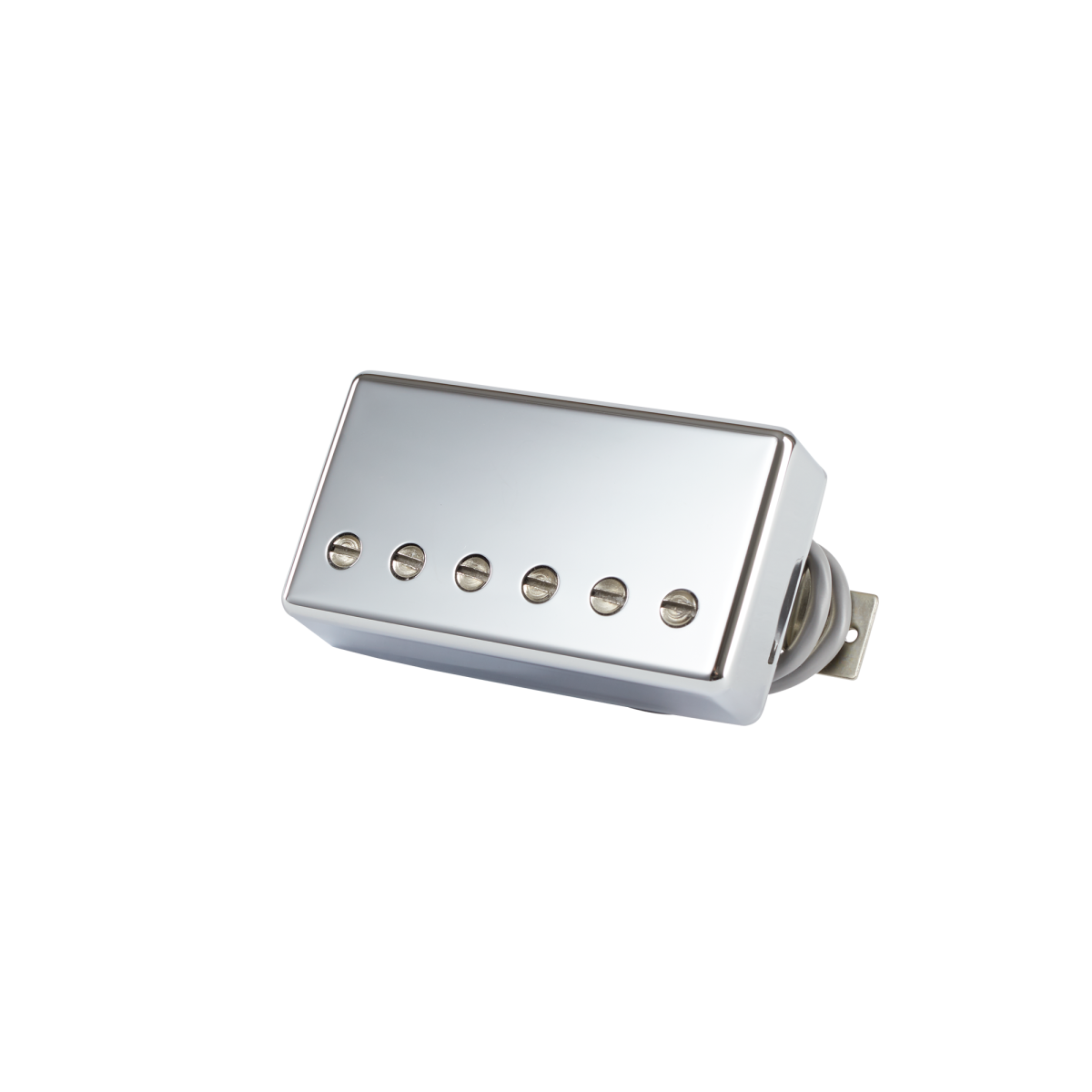
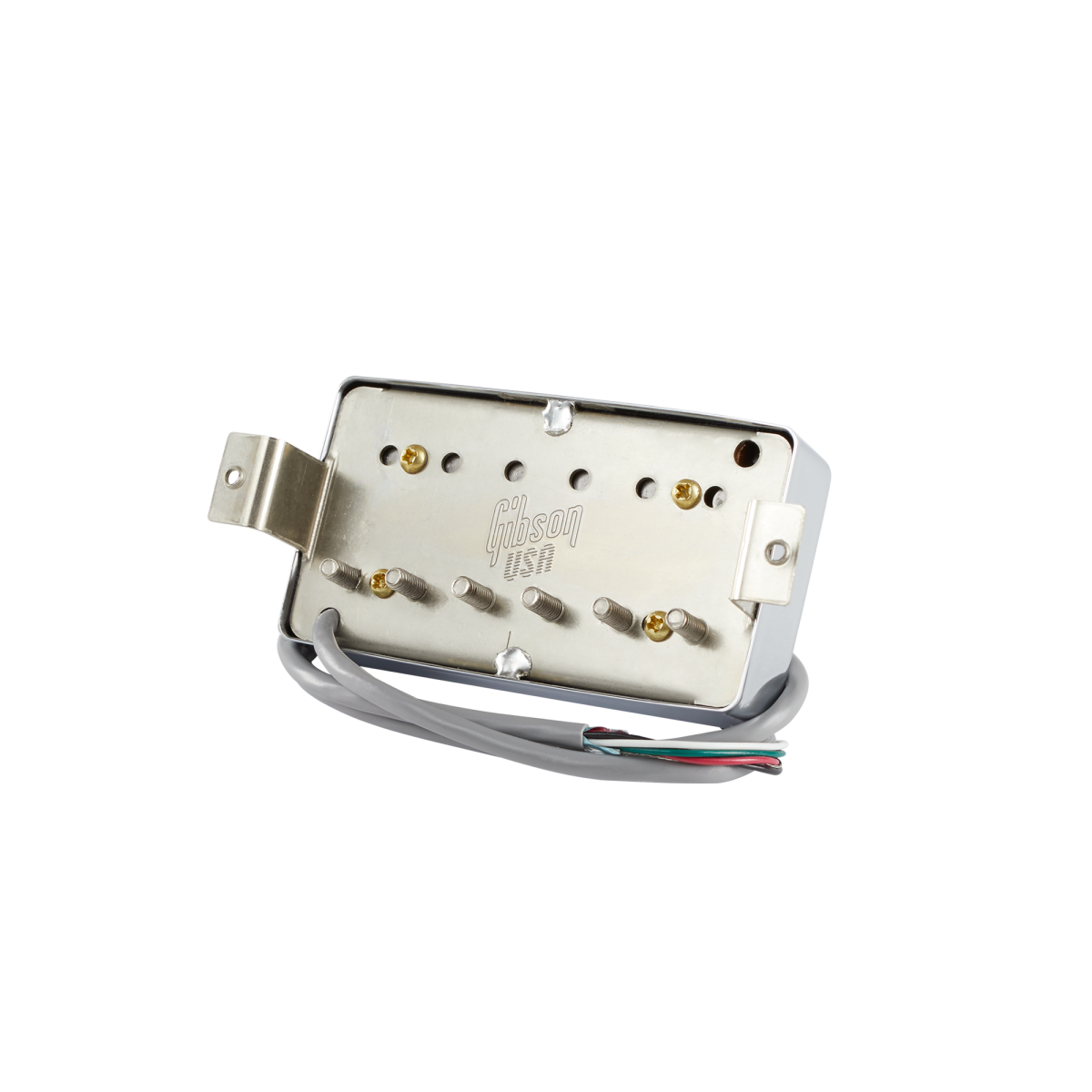
The introduction of the humbucking pickup in the 1950s changed the sound of modern music. Designed to eliminate the hum associated with single coils, Gibson humbuckers deliver warmth, power, and harmonic richness that defined blues-rock and beyond.
From vintage-output PAF-style recreations to modern calibrated sets, Gibson pickups are engineered to preserve clarity while offering the sustain and midrange authority that players expect from a carved-top, mahogany-bodied instrument.
A Standard of American Guitar Making
When you pick up a Gibson built in Nashville or Bozeman, you’re experiencing a production process rooted in tradition but refined through decades of evolution. It’s the combination of materials, method, and musical heritage that gives these instruments their unmistakable feel.
USA craftsmanship isn’t a tagline, it’s the foundation of the Gibson sound.
Shop Gibson Electric Guitars

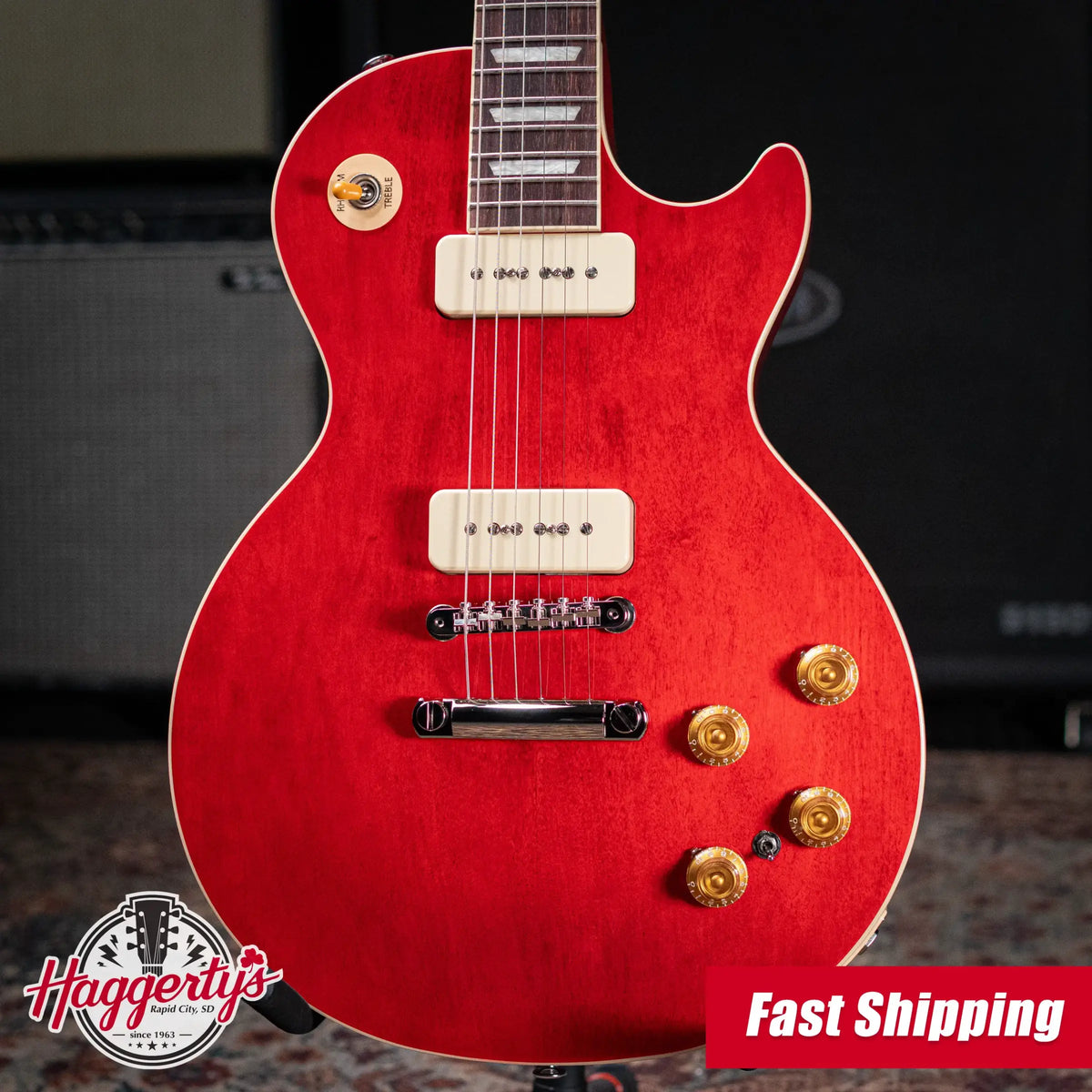
Gibson Custom Shop
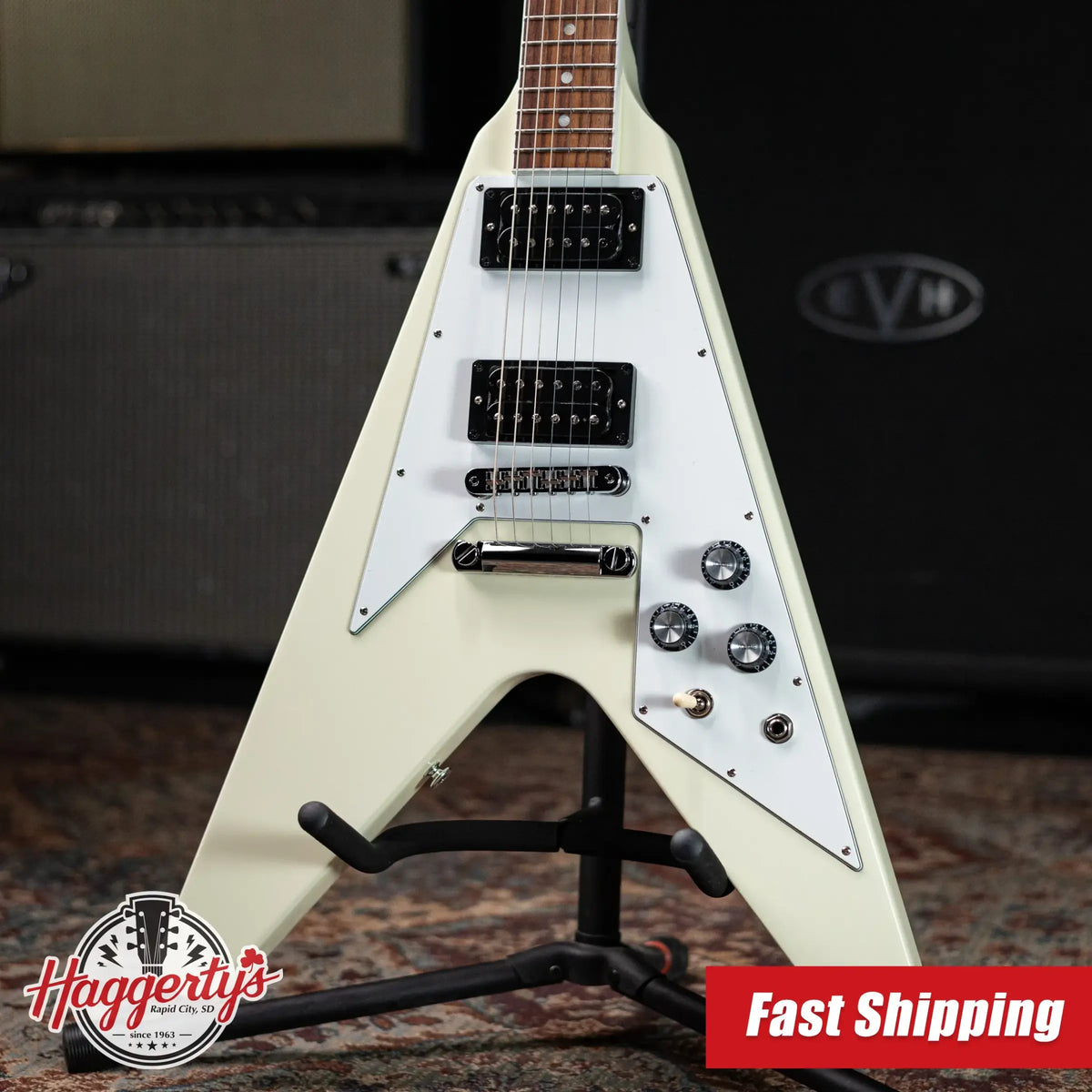
At the highest tier of American guitar building sits the Gibson Custom Shop - a division dedicated not simply to producing instruments, but to preserving and perfecting Gibson’s most iconic designs. Built by a specialized team of master luthiers, Custom Shop guitars represent the closest connection to the golden-era instruments that shaped modern music.
This is where history is studied, measured, weighed, and reborn.
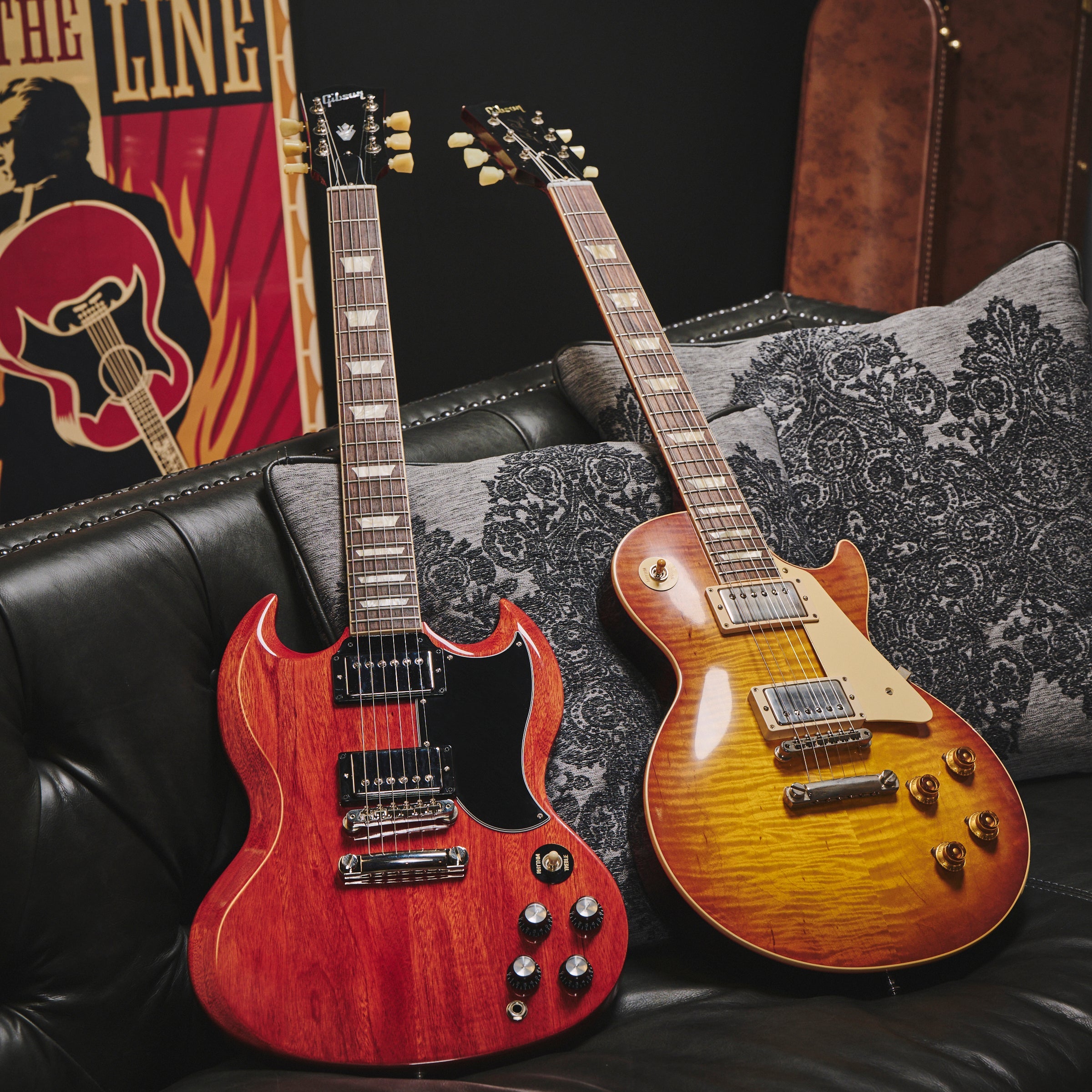
Historic Reissues
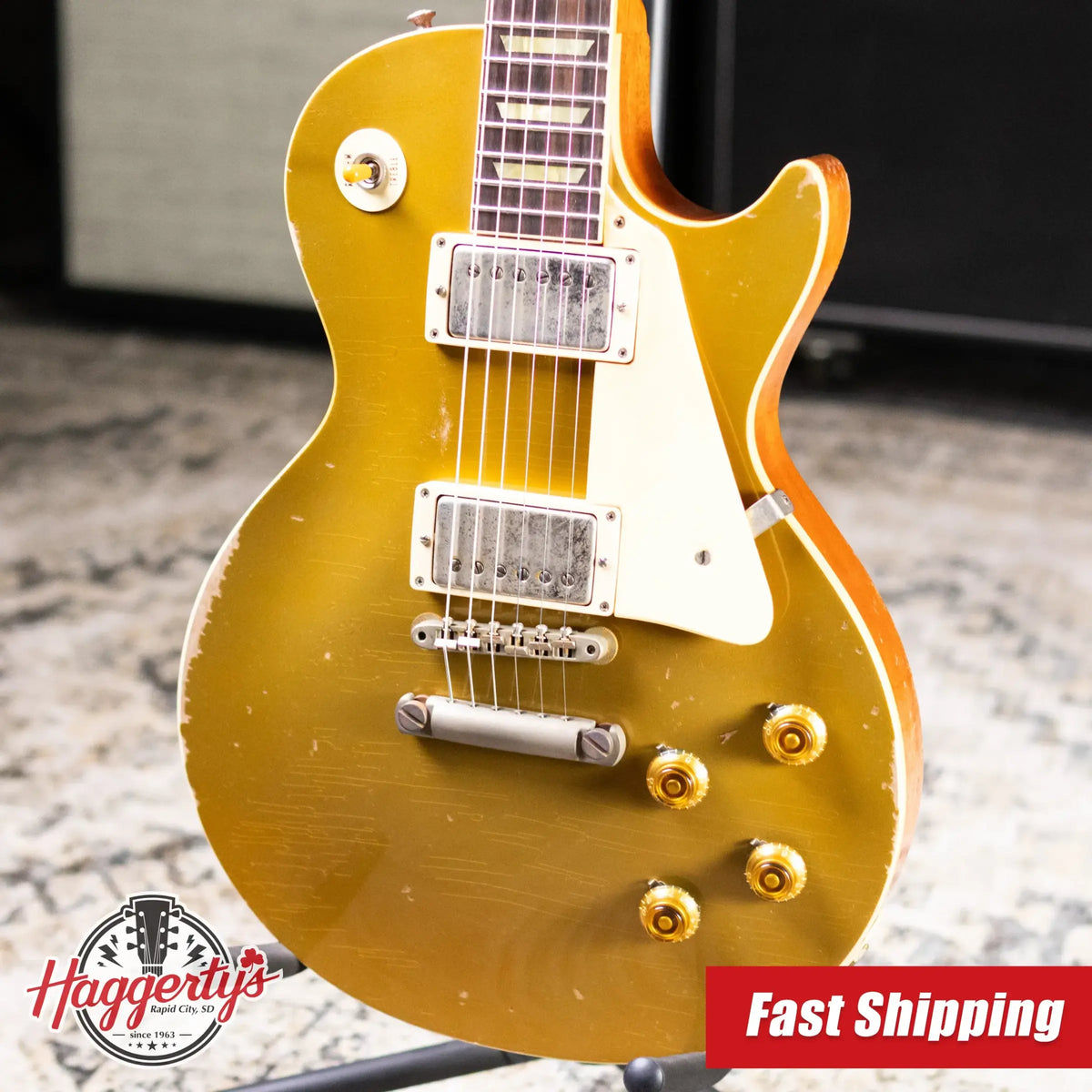
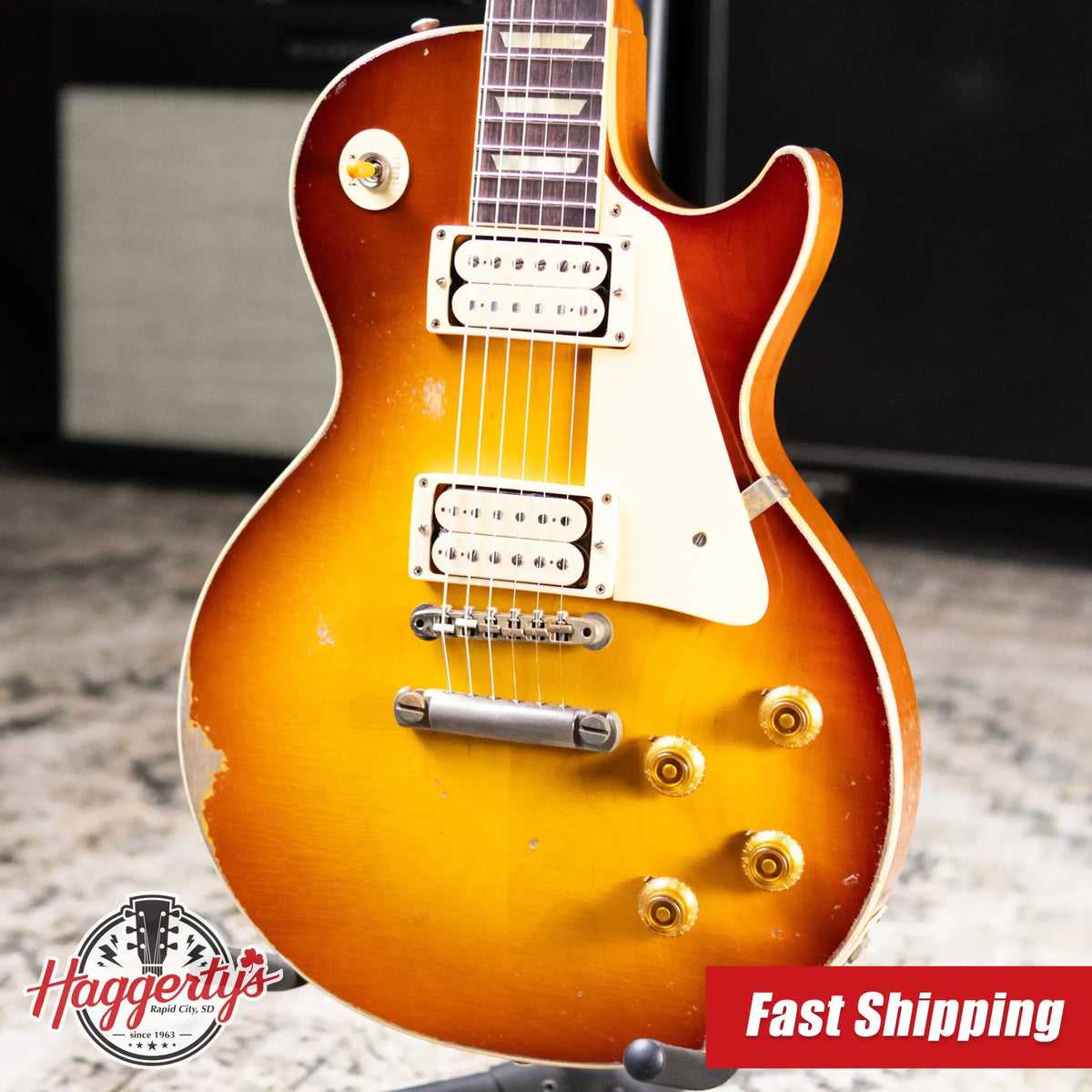
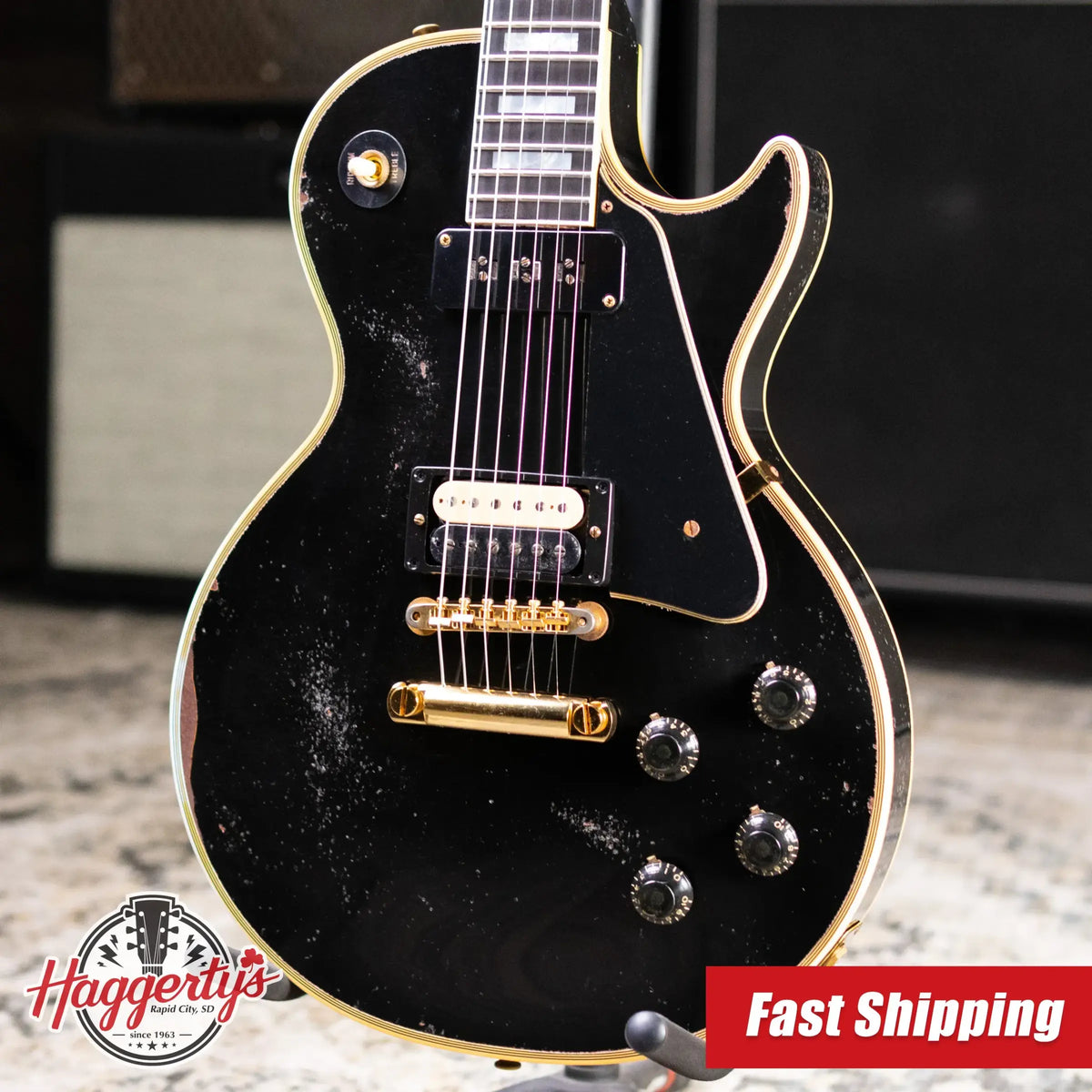
Few instruments carry the mythos of a late-1950s Les Paul. The Custom Shop’s Historic Reissue series, including recreations of the legendary 1959 model, is built with obsessive attention to period-correct detail.
From accurate neck carves and long tenon construction to hide glue assembly, historically correct plastics, top carve dimensions, and vintage-spec pickups, these guitars are designed to replicate the look, feel, and resonance of the originals. They aren’t modern interpretations, they are meticulous tributes to a benchmark era in guitar making.
For players chasing that elusive “burst” tone and collectors seeking authenticity, Historic Reissues represent the closest modern connection to Gibson’s most celebrated decade.
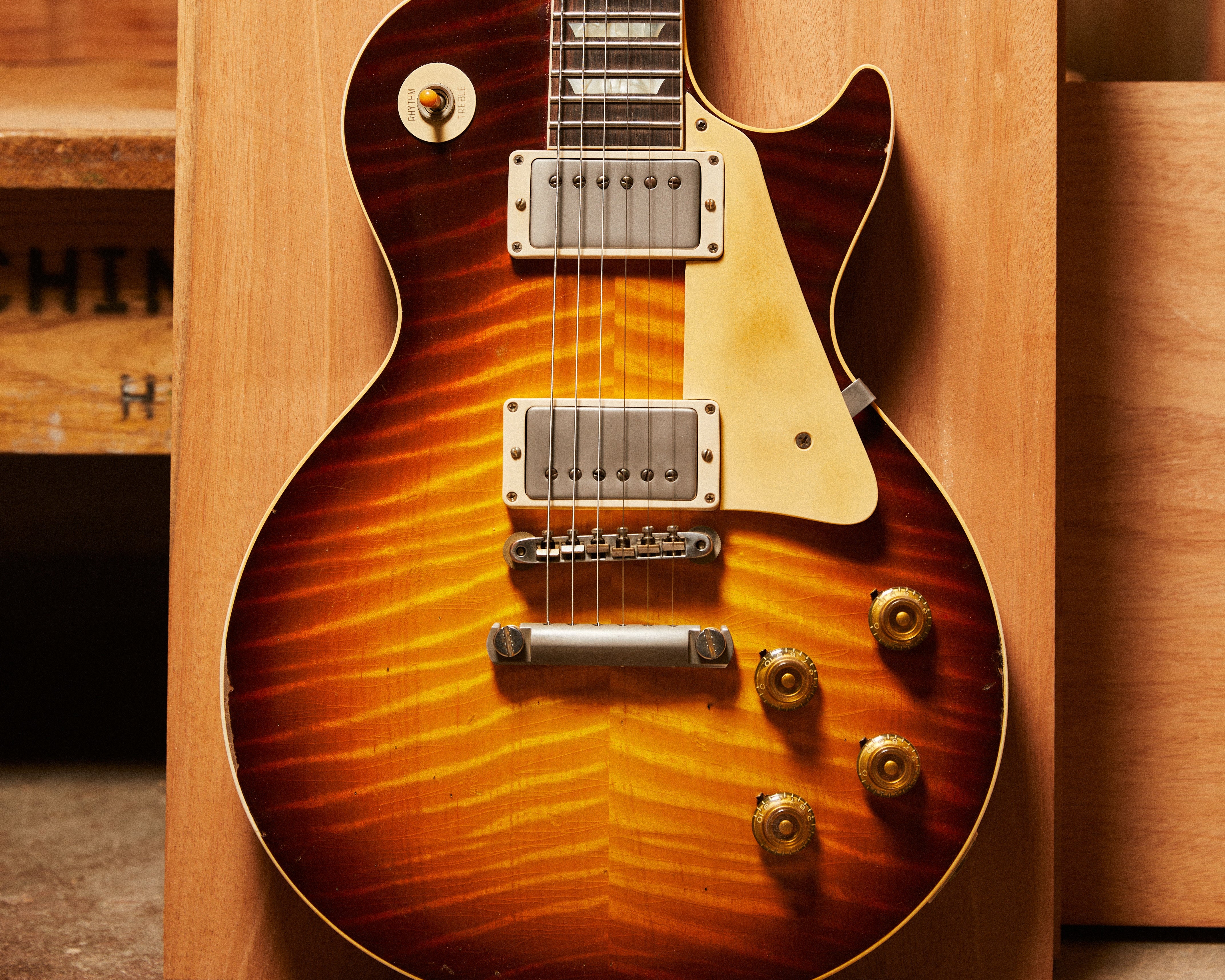
Murphy Lab Aging
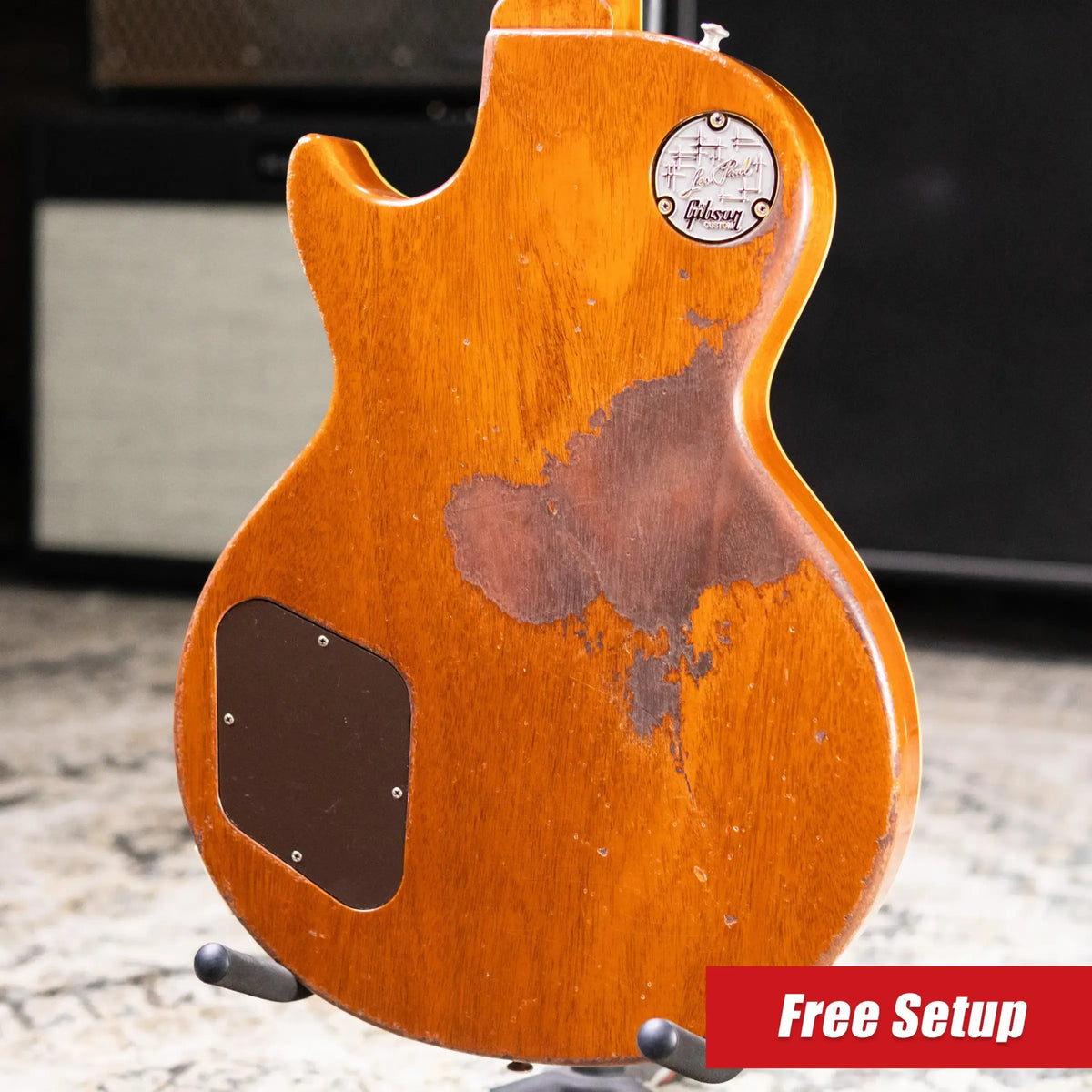
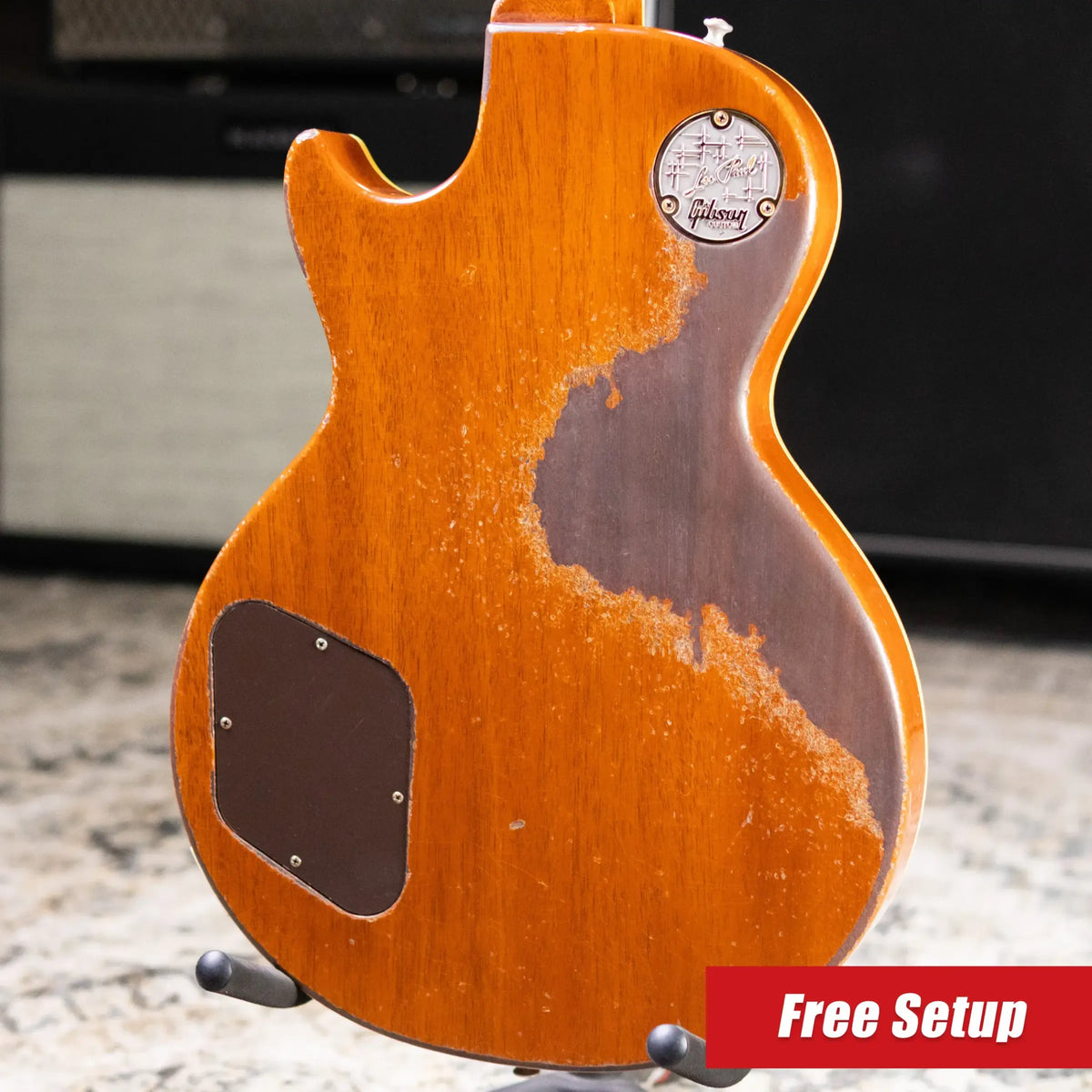
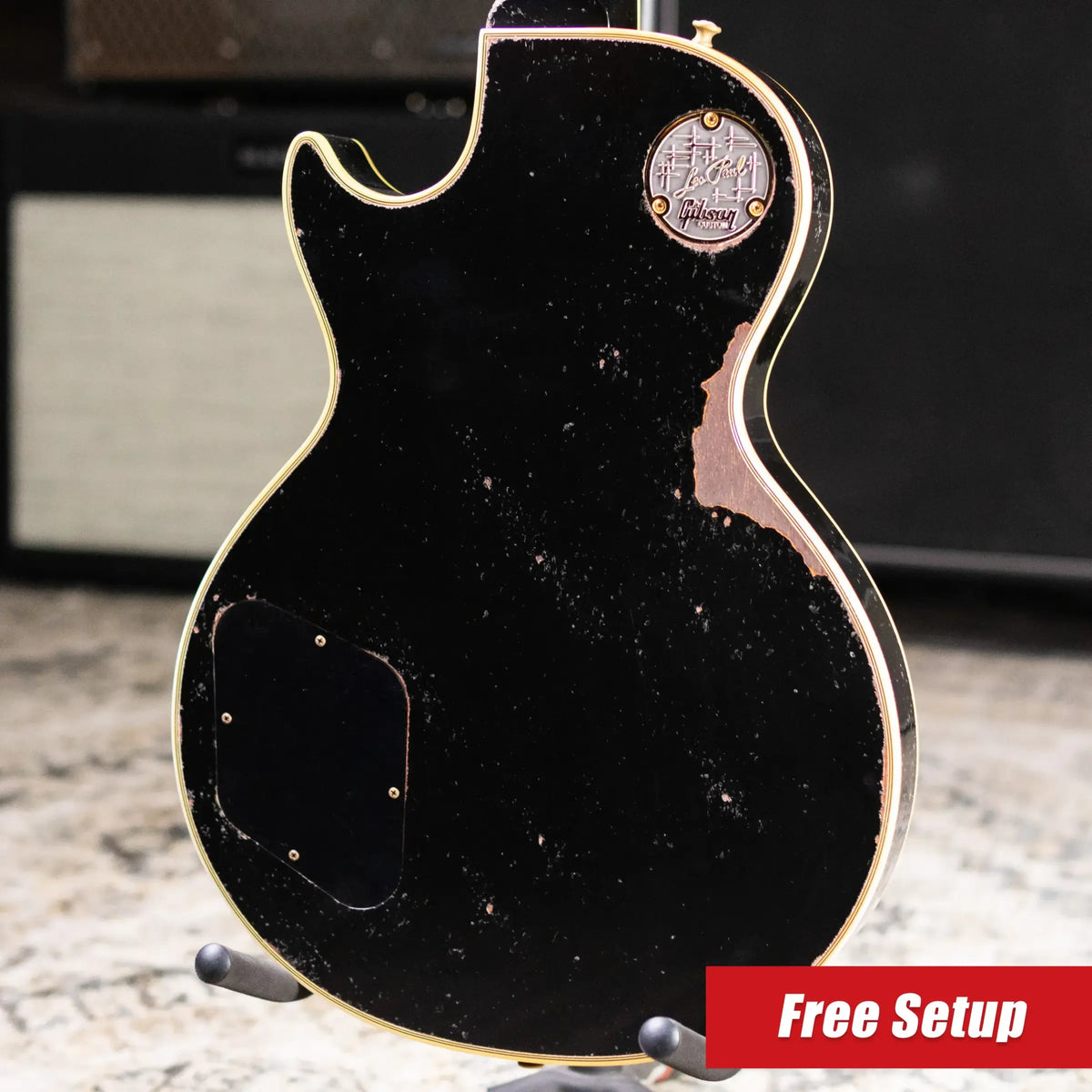
Within the Custom Shop, the Murphy Lab elevates aging and finishing to an art form. Overseen by master finish experts, Murphy Lab instruments are designed to replicate decades of natural wear from subtle checking and dulled hardware to heavy stage-worn patina.
This isn’t cosmetic relic work. It’s a carefully researched process that studies how vintage nitrocellulose lacquer ages, how metal oxidizes, and how real instruments wear over time. The result is a guitar that not only looks played-in, but feels broken-in from the first chord.
For many players, Murphy Lab instruments capture the soul and vibe of a true vintage piece without the fragility or six-figure price tag.
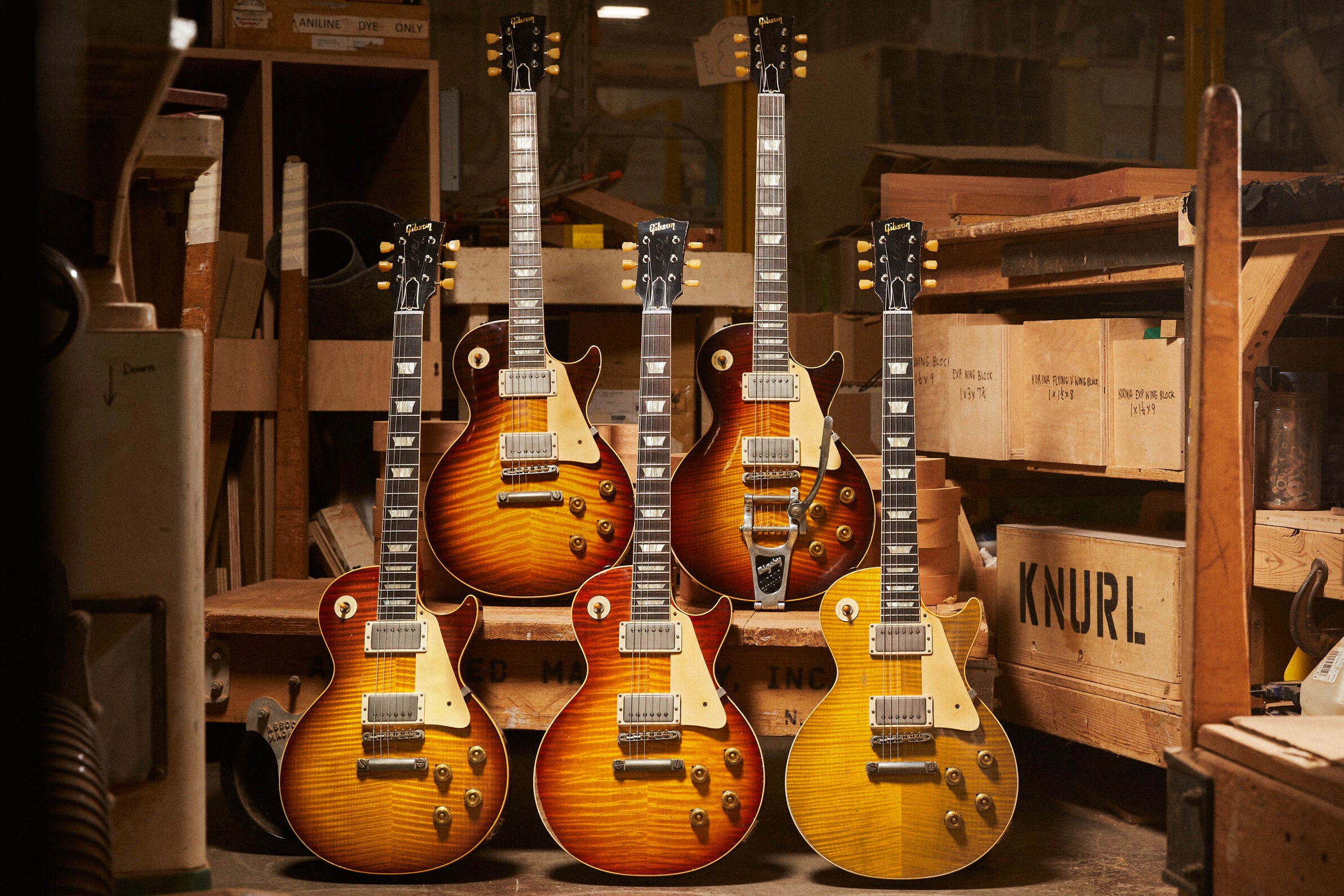
Collector-Grade Craftsmanship
Every Custom Shop instrument is built with elevated material selection and detailed finishing processes. Tops are carefully graded and matched. Neck carves are hand-shaped to spec. Frets are dressed with precision. Electronics are calibrated and installed with meticulous care.
These guitars are not mass-produced, they are measured, assembled, and finished with a level of scrutiny reserved for flagship instruments. For collectors, they represent long-term value. For performers, they deliver elite-tier tone and playability. For enthusiasts, they embody the pinnacle of Gibson craftsmanship.
Gibson Tone Explained
Part of what makes a Gibson instantly recognizable isn’t just the logo on the headstock, it’s the way the instrument responds under your hands. From pickup design to scale length, Gibson’s construction choices create a tonal identity that feels thicker, warmer, and more sustaining than many bolt-on designs. Here’s what’s happening under the hood.
Humbuckers vs. P-90s
Humbuckers
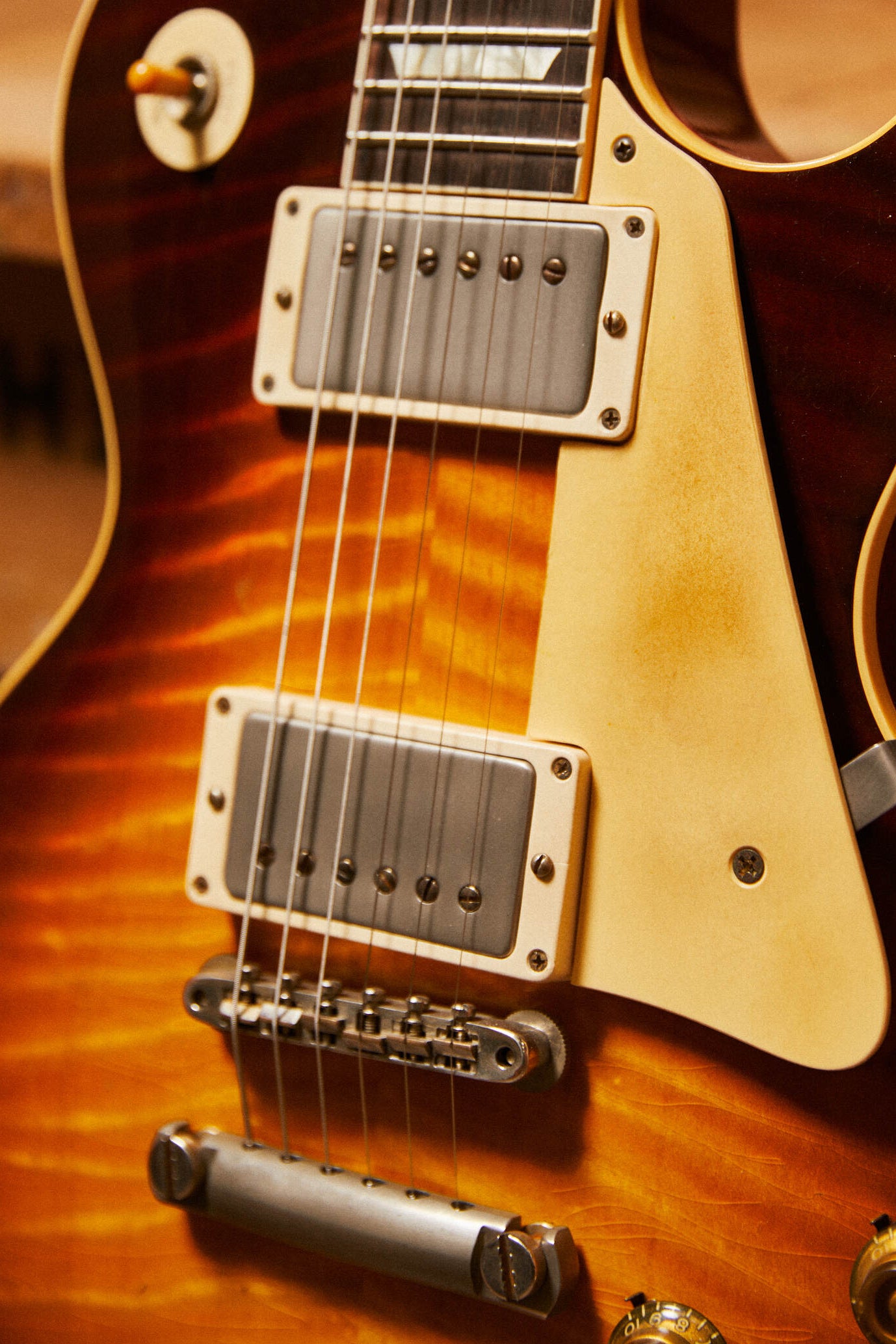
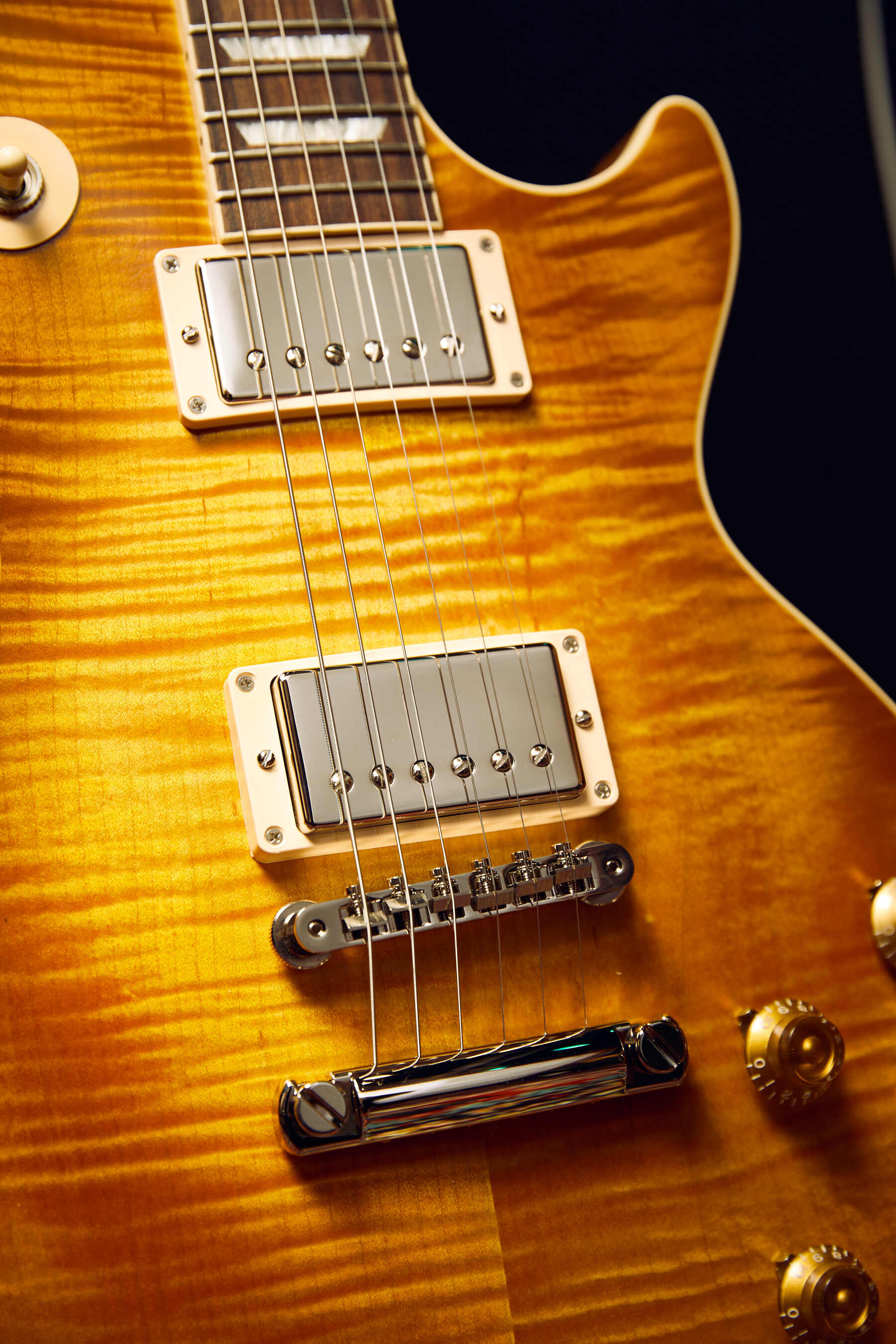
Humbuckers were originally designed to eliminate the 60-cycle hum found in traditional single-coil pickups. By pairing two coils wired out of phase, they cancel noise while delivering a fuller, higher-output signal.
What that means for your tone:
- Thicker low end
- Smooth, rounded highs
- Strong midrange presence
- Increased sustain
- Excellent performance with overdrive and higher gain
This is the classic Les Paul sound — creamy, powerful, and vocal-like when pushed.
P-90s
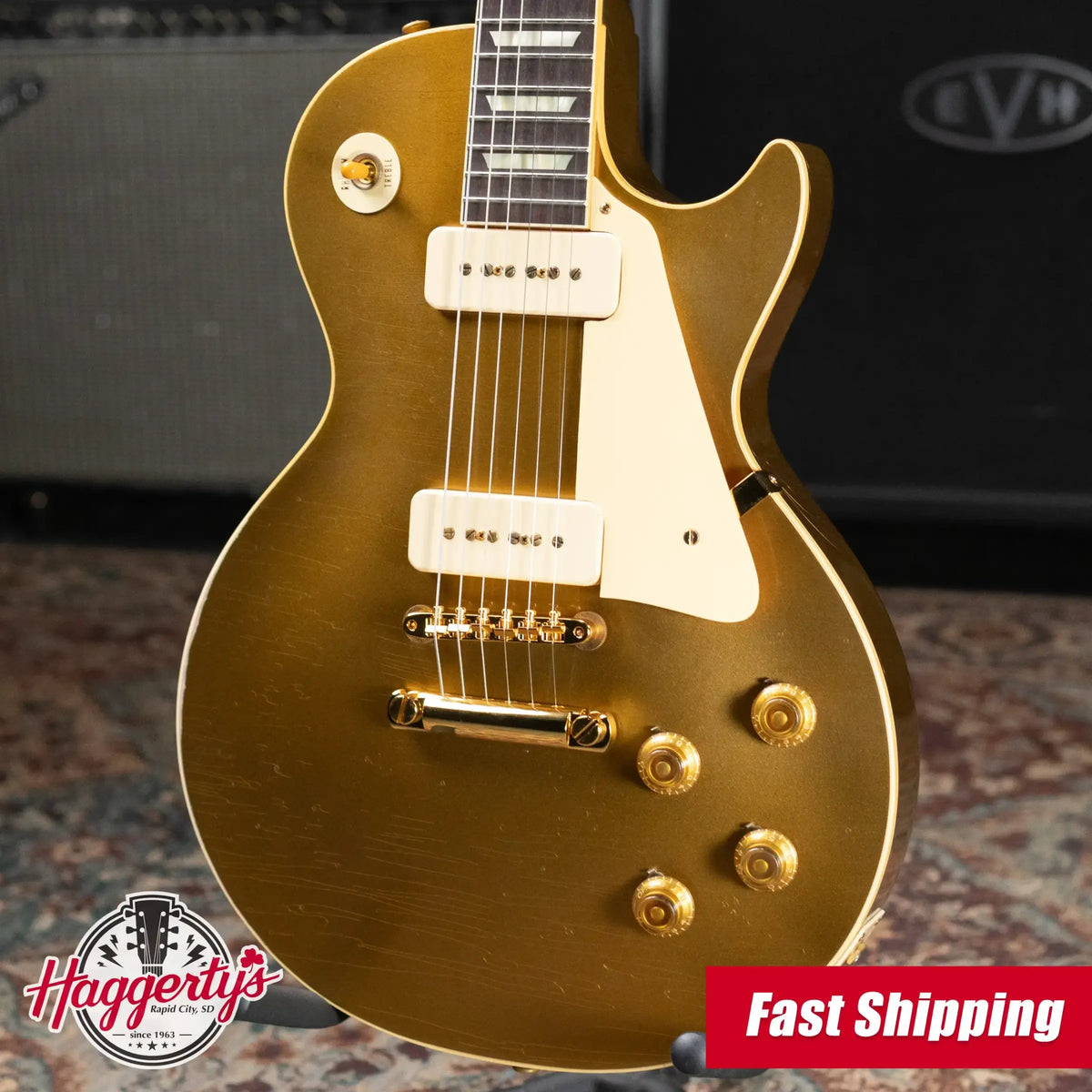
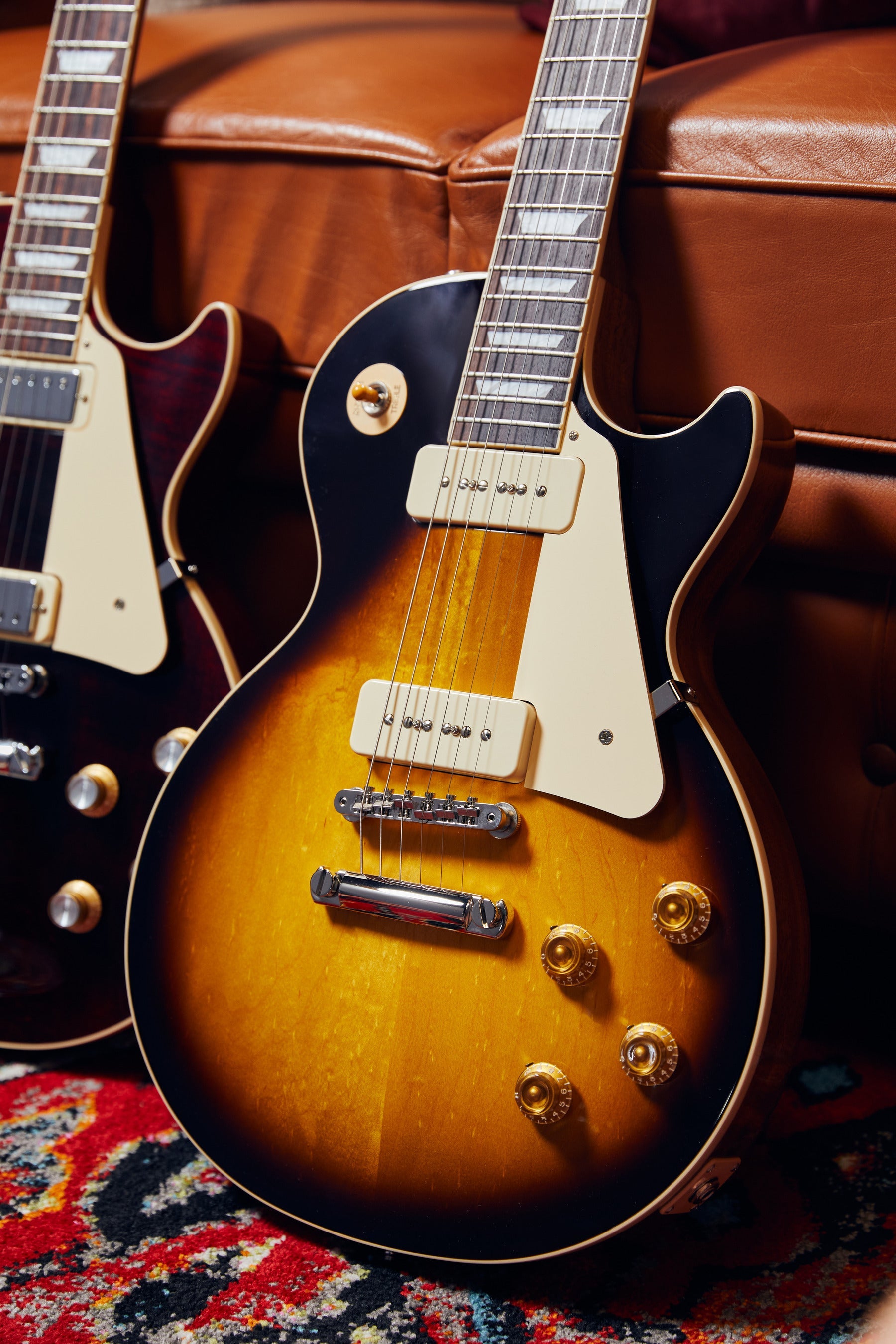
P-90 pickups, on the other hand, are single-coil designs with more output and midrange bite than Fender-style single coils. They sit tonally between a humbucker and a traditional single coil.
What you’ll hear:
- More clarity and edge
- Raw, gritty midrange
- Dynamic touch sensitivity
- Slight hum compared to humbuckers
If humbuckers are thick and polished, P-90s are punchy and expressive, ideal for players who want articulation with attitude.


